Pages

Wednesday, April 25, 2012

✟ Believe in GOD ✟

✟ Believe in GOD ✟


To many people God is a concept. He is an idea, a theory, a way of understanding the world. Since He cannot be seen it is hard to believe in Him. After all, how can you trust something you can’t even touch? We learned that gravity exists by observing that every time we let go of an apple it falls. But there is no such ‘drop test’ to prove the existence of God. Yet, despite this lack of “proof”, many intelligent people do believe in God. Thousands of people throughout history have devoted their lives to serving Him, despite the fact that they have never seen His face. Ultimately this may lead us to wonder, does it really matter? Does a belief in God really change anything about our lives? Is a belief in the existence of a higher power solely a theoretical idea; something to be discussed at the dinner table with friends?
The Bible is clear about the answer to this question. It tells us that believing in God changes everything about our lives. Accepting God’s existence is a life-altering belief, not only in the hope that it gives us for the future, but in the way God’s presence can change our lives now.
A Promise of Eternal Life
In the most basic way, a belief in God saves our life. God tells us if we believe in Him, and in His son, Jesus Christ, we will be saved from perishing. John’s gospel tells us,
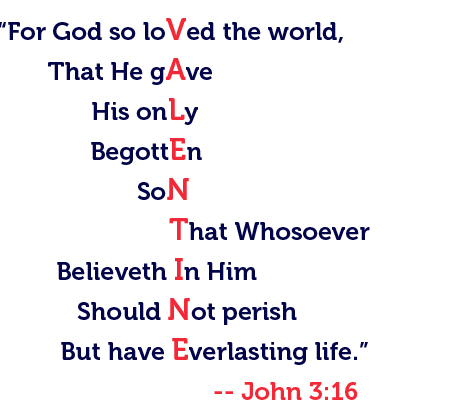
For God so loved the world that he gave his one and only Son, that whoever believes in him shall not perish but have eternal life. (John 3:16)
The Apostle Paul later reinforces this message saying,
But now [God] has reconciled you by Christ’s physical body through death to present you holy in his sight, without blemish and free from accusation—if you continue in your faith, established and firm, not moved from the hope held out in the gospel. (Colossians 1:22-23)
Our belief in God gives us a hope of eternal life. If we believe in God, He will give us life. If we turn our back on Him we will inherit death as the deserved consequences of our actions.
“See, I set before you today life and prosperity, death and destruction. For I command you today to love the Lord you God, to walk in his ways, and to keep his commandments, decrees and laws; then you will live and increase and the lord your God will bless you…But if your heart turns away and you are not obedient…I declare to you this day that you will certainly be destroyed…I have set before you life and death, blessings and curses. Now choose life, so that you and your children may live.” (Deuteronomy 30:13-19)
What is this eternal life God promises? God promises that there will be a time in the future when His son, Jesus Christ, will return to earth to establish His kingdom. At that time those who have believed in him and are found faithful will be given immortal life and will live with Christ forever. The Apostle Paul says:
We do not want you to be ignorant about those who fall asleep, or to grieve like the rest of men, who have no hope. We believe that Jesus died and rose again and so we believe that God will bring with Jesus those who have fallen asleep in him…For the Lord himself will come down from heaven with a loud command, with the voice of the archangel and with the trumpet call of God and the dead in Christ will rise first. (1 Thessalonians 4:13-16)
Other scriptures confirm this future hope:
“Now the dwelling of God is with men, and he will live with them. They will be his people, and God himself will be with them and be their God. He will wipe every tear from their eyes. There will be no more death or mourning or crying or pain, for the old order of things has passed away.” (Revelation 21:3-4)
A Difference in Our Lives Now
But the change that occurs in our relationship with God is not just in our future. While a belief in God gives us great hope for a wonderful eternal life there is a very real way in which a belief in God also changes our lives in the present. The Apostle Paul explains a present day difference between those who believe in God versus those who do not. He reminds the believers in Ephesus of how their lives changed once they believed:
At that time you were separate from Christ, excluded from citizenship in Israel and foreigners to the covenants of promise, without hope and without God in the world. But now in Christ Jesus, you who once were far away have been brought near through the blood of Christ…through him [Christ] we both have access to the Father by one Spirit. Consequently, you are no longer foreigners and aliens, but fellow citizens with God’s people and members of God’s household…And in him you too are being built together to become a dwelling in which God lives by his Spirit. (Ephesians 2:13-14,18,22)
Before the Ephesians believed in Christ they were “foreigners” to God’s promises. They were “without hope” and “without God,” with no inheritance and nothing to look forward to. But what a difference once they were “in Christ”! Where they were once estranged, they are now “brought near,” no longer foreigners, but “citizens” and family members in God’s house. A citizen is someone who can partake of the full rights of membership in a society, with privileges a foreigner cannot claim. Likewise for us: once we are a member of God’s family we are grafted in to the great promises God has given His people both for the future and for the present. And when we are in Christ, we become a place in which God’s Spirit dwells. What a wonderful change both in terms of our future, and our present!
The Picture of a Loving Father
What does it mean to have God as our father and to be known as His child? Does this really change our daily experience?
Accepting God as our father brings with it all of the blessings of a human family. God promises to those who love Him that He will care for them like a father cares for his children. For example, in the Old Testament, the Bible records how God brought His people out of slavery in Egypt. He had promised them He would bring them to a beautiful land, a new country they could call home. While on their journey, the people faced many obstacles, such as enemy nations, that made them afraid. But God told them:
“Do not be terrified; do not be afraid of them. The Lord your God who is going before you will fight for you, as he did for you in Egypt, before your very eyes, and in the desert. There you saw how the Lord our God carried you, as a father carries his son, all the way you went till you reached this place.” (Deuteronomy 1:29-31)
God cares for His people in real and meaningful ways by providing for their needs and protecting them from harm. Just as a little child needs his father to provide him with food, shelter and safety, once we are a part of God’s family, He will provide for all of our needs in a parental way. For example, God tells the Israelites, “During the forty years that I led you through the desert, your clothes did not wear out, nor did the sandals on your feet…I did this so that you might now that I am the Lord your God.” (Deuteronomy 29:5-6) God’s promises of hope are not just for the future, but make a real difference in our lives right now.
Jesus reiterates this truth in the New Testament:
“Ask and it will be given to you; seek and you will find; knock and the door will be opened unto you. For everyone who asks receives; he who seeks finds; and to him who knocks, the door will be opened. Which of you, if his son asks for bread, will give him a stone? Or if he asks for fish, will give him a snake? If you, then, though you are evil, know how to give good gifts to your children, how much more will your Father in heaven give good gifts to those who ask him!” (Matthew 7:7-11)
What an amazing promise! The Creator of the universe invites us to ask Him for help, and He promises that He will hear and answer! Who wouldn’t want God’s help in navigating this difficult and often confusing experience of life? All God is saying we have to do is ask!
The Place of Suffering in Our Lives
So does this mean that once we believe in God we will get everything that we want? Does a belief In God mean that life will be easy? Even a superficial look at the lives of believers makes it clear that the answer to this question is “no.” It isn’t true that once we believe in God our lives will be free from trial. There are many examples within the pages of scripture of righteous men and women struggling through terrible hardship and trial. How can this be if God promises to answer our prayers and love us as a father? Well, it is because God loves us like a father that He allows us to experience hardship in order to grow. King Solomon writes:
My son, do not despise the Lord’s discipline and do not resent his rebuke, because the Lord disciplines those he loves as a father the son he delights in. (Proverbs 3:11-12)
Just as in our own parenting there are times we allow our children to experience difficulty in order for them to grow, God likewise permits us to endure times of trial for our own good. We, just like little children, need both praised when we do well and rebuked when we make mistakes. But experiences of suffering are more than just God’s disciplining us in order to teach us lessons. The trials he allows us to undergo build our character. James tells us:
Consider it pure joy, my brothers, whenever you face trials of many kinds, because you know that the testing of your faith develops perseverance. Perseverance must finish its work so that you may be mature and complete, not lacking anything. (James 1:2-4)
We are to face trials because they are good for us. They build character, faith and maturity. And no matter how difficult the challenge, God promises He will carry us through. God will demonstrate to us over and over again that He is the source of all life and that His blessings are abundant enough to meet all of our needs. There is nothing He cannot do, nothing He does not understand. And it is through these experiences that we will come to understand how high and wide and deep the love of our Father truly is.
If God is for us, who can be against us? He who did not spare his own Son, but gave him up for us all – how will he not also, along with him, graciously give us all things? … Who shall separate us from the love of Christ? Shall trouble or hardship or persecution or famine or nakedness or danger or sword? …No, in all things we are more than conquerors through him who loved us. For I am convinced neither death nor life, neither angels nor demons, neither the present nor the future, nor any powers, neither height nor depth, nor anything else in all creation, will be able to separate us from the love of God that is in Christ Jesus our Lord. (Romans 8:31-32,35,37-39)
Because of this relationship the believer has with God, he should therefore have confidence that everything in his life is under God’s control. A belief in God should change our daily experience. We no longer need to spend time wrestling with the anxieties of life. God has promised to care for us in all ways, both in times of plenty and through times of trial. Our every day life should feel much easier because of this belief. We are relieved from the burdens of stress and worry that heavily weigh upon those who do not believe in God.
“Therefore I tell you, do not worry about your life, what you will eat, or about your body, what you will wear. Life is more than food and the body more than clothes. Consider the ravens: They do not sow or reap; they have no storeroom or barn; yet God feeds them. And how much more valuable you are than birds! Who of you by worrying can add a single hour to his life? Since you cannot do this very little thing, why do you worry about the rest? Consider how the lilies grow. They do not labor or spin. Yet, I tell you, not even Solomon in all his splendor was dressed as one of these. If that is how God clothes the grass of the field, which is here today and tomorrow is thrown into the fire. How much more will he clothe you, O you of little faith! And do not set your heart on what you will eat or drink; do not worry about it. For the pagan world runs after such things, and your Father knows that you need them. But seek his kingdom and these things will be given to you as well. Do not be afraid little flock, for your Father has been pleased to give you the kingdom.” (Luke 12:22-32)
It should give us an enormous sense of relief and a peace to know that God is actively involved in every aspect of our life.
What God Asks of Us
What does God ask from us in order for us to receive these life altering blessings? Firstly, that we the have faith that He is the creator of the universe. That He does love us and has a plan of salvation for mankind. Paul tells us, “Without faith it is impossible to please God, because anyone who comes to him must believe that he exists and that he rewards those who diligently seek him.” (Heb 11:6) God promises that if we are willing to put our faith in Him as more than just a concept, believe that He is living powerful Father, we will see evidence of His existence in our lives.
Secondly, as our act of faith, we must become a part of God’s family through baptism into His name. In order for God to become our Father, we need to become His children. Baptism is the way God has created for us to be “reborn” into a new family, one with God as its Head.
You are all sons of God through your faith in Jesus Christ, for all of you who were baptized into Christ have clothed yourself with Christ. There is neither Jew nor Greek, slave nor free, male nor female, for you are all one in Christ Jesus. If you belong to Christ, then you are Abraham’s seed and heirs to the promise. (Galatians 3:26-29)
Through baptism we leave our natural family allegiances behind and adopt a new family name through God’s son. We are no longer known as Jews or Gentiles, Americans or Africans or Asians, wealthy or poor. Instead we belong to a new family, God’s family, and can enjoy the privileges that God showers upon His children. God makes the pathway to Him plain.
“Whoever believes and is baptized will be saved.” (Mark 16:16)
So, does believing in God really matter? Does it really change anything about our lives? The resounding answer from scripture is, yes! God promises to those who love Him a hope far greater than anything this world can offer us. Paul tells us, “God our Savior…wants all men to be saved and to come to a knowledge of the truth.” (1 Timothy 2:4) If this is God’s hope for us all, what are we waiting for?
Do you want to know more about God? These 20 Bible facts about God will give you insight into the nature and character of God.
  1. God is eternal.
    (Deuteronomy 33:27; Jeremiah 10:10; Psalm 90:2)
  2. God is infinite.
    (1 Kings 8:22-27; Jeremiah 23:24; Psalm 102:25-27; Revelation 22:13)
  3. God is self-sufficient and self-existent.
    (Exodus 3:13-14; Psalm 50:10-12; Colossians 1:16)
  4. God is omnipresent (present everywhere).
    (Psalm 139:7-12)
  5. God is omnipotent (all powerful).
    (Genesis 18:14; Luke 18:27; Revelation 19:6)
  6. God is omniscient (all knowing).
    (Psalm 139:2-6; Isaiah 40:13-14)
  7. God is unchanging or immutable.
    (Psalm 102:25-27; Hebrews 1:10-12; 13:8)
  8. God is sovereign.
    (2 Samuel 7:22; Isaiah 46:9-11)
  9. God is wise.
    (Proverbs 3:19; Romans 16:26-27; 1 Timothy 1:17)
  10. God is holy.
    (Leviticus 19:2; 1 Peter 1:15)
  11. God is righteous and just.
    (Deuteronomy 32:4; Psalm 11:7; Psalm 119:137)
  12. God is faithful.
    (Deuteronomy 7:9; Psalm 89:1-8)
  13. God is true and truth.
    (Psalm 31:5; John 14:6; John 17:3; Titus 1:1-2)
  14. God is good.
    (Psalm 25:8; Psalm 34:8; Mark 10:18)
  15. God is merciful.
    (Deuteronomy 4:31; Psalm 103:8-17; Daniel 9:9; Hebrews 2:17)
  16. God is gracious.
    (Exodus 34:6; Psalm 103:8; 1 Peter 5:10)
  17. God is love.
    (John 3:16; Romans 5:8; 1 John 4:8)
  18. God is spirit.
    (John 4:24)
  19. God is light.
    (James 1:17; 1 John 1:5)
  20. God is triune or trinity.
    (Matthew 28:19; 2 Corinthians 13:14)

✝ Fall in Love with JESUS ✝ ❤

✝ Fall in Love with JESUS ✝ ❤

According to church tradition St. Valentine was a priest near Rome in about the year 270 A.D. At that time the Roman Emperor was imprisoning Christians for not worshipping the Roman gods. During this persecution Valentine was arrested. Some say he was arrested because he was performing Christian marriages, but others say it was for helping Christians escape prison.
During the trial they asked Valentine what he thought of the Roman gods Jupiter and Mercury. Of course Valentine said they were false gods and that the God that Jesus called Father was the only true God. So the Romans threw him in prison for insulting the gods.
While in prison Valentine continued to minister. He witnessed to the guards. One of the guards was a good man who had adopted a blind girl. He asked Valentine if his God could help his daughter. Valentine prayed and the girl was given her sight. The guard and his whole family, 46 people, believed in Jesus and were baptized. Because these people had come to know Jesus, Valentine praised God right there in his prison cell. When the emperor heard about this he was furious that Valentine was still making converts even in prison, so he had Valentine beheaded.
Valentine knew that he might get caught in his Christian activities. He knew that if he told the court the truth about the Roman gods that he would be thrown in prison. And he knew that if he continued to witness to Christ in the prison he would make his captors angry. But he continued, because he loved the Lord and his fellow humans. He was willing to risk his life to free the prisoners and spread the Good News of Jesus Christ to those who needed to hear it.
The Bible Says: “No one has greater love than this, to lay down one’s life for one’s friends.”(John 15:13) God showed us this love by coming in Christ to die for our sins. And St. Valentine demonstrated this love when he died for his friends. This is the kind of love that Valentine’s Day is really about.
1 JOHN 4:10
In this is love, not that we loved God, but that He loved us and sent His Son to be the propitiation for our sins.
On Valentine’s Day we try to think of new and creative ways to show our love to our spouses, children, and others who are dear to us. Hearts, flowers, cards with cute sayings, heart-shaped cakes, balloons–there are all kinds of ways to let these special folks know just how much they mean to us. The greatest demonstration of love, of course, came from God the Father when He sent His only Son from the splendor of Heaven to the limitations of earth to become our Savior. In essence, Jesus is God’s Valentine to us.

God’s Love can be Seen in Creation: Not a cunningly devised fable, as with evolution or other man made inventions of creation, but the fact that God created the heavens and the earth and all that are therein. He made Adam and Eve in his image and placed them in the garden and walked with them and talked with them. We may not feel that we are very lovely or lovable, but the Lord of creation has created you in his image. He made you to be you. God doesn’t do trash. You are the special creation of an all wise loving heavenly Father. To understand the value of you is to know the master creator.
God’s Love can be seen in Christ: The best valentine gift is the gift of yourself given to the one who is loved. God gave of himself in his son. He declared his love of his Son on the mount of transfiguration. “This is my beloved son in whom I am well pleased.” If God looked at us would he be able to describe as his beloved child in whom I am well pleased? If we have come to God through the one who said I am the way the truth and the life, and no one can come to the father but through me then he does say that we are his beloved child in whom I am well pleased.
This is divine love: Jesus loved not only His friends but also His enemies–the God-hating, Christ-murdering world.
Jesus said in John 15:13, “Greater love has no one than this, than to lay down one’s life for his friends.” That is as high as human love can go, to die for your friends and your own loved ones.
The Bible states, “God demonstrates His own love toward us, in that while we were still sinners, Christ died for us. Much more then, having now been justified by His blood, we shall be saved from wrath through Him. For if when we were enemies we were reconciled to God through the death of His Son, much more, having been reconciled, we shall be saved by His life” (Rom. 5:8-10).
God’s Love can be seen in his Covenant: His word was given to us to remember the God of Love that created us and comes to us to live with us and be with us. The scripture is not a few well educated individuals with a private interpretation, but the word of God has been given to all in this day and in this time so we might come to know, to love and experience God. The God of Love has made every provision for us to believe, receive, and choose to follow him, accept him and Love him.
God’s Love can be seen in his children: The Apostles are the first generation of eyewitnesses who have seen and testify of the God who Loves them. These Apostles spread the word and now it is passed onto us who have been saved by him to give this God of Love to the world.
We, as God’s children must resemble our God’s love in our lives.
How closely do we resemble our Heavenly Father? When people look at us do they recognize us as His children?
Scripture says there is one thing that identifies us as followers of Christ – our love.
“A new command I give you: Love one another. As I have loved you, so you must love one another. By this all men will know that you are my disciples, if you love one another.” (John 13:34-35)
People will identify us as Christians, if our lives reflect our Father’s love. What does this love look like? It is resting in God’s peace during times of stress. It is forgiving our enemies and praying for them rather than seeking revenge or harboring anger. It is being kind and patient with others even when they are not. It is putting the needs of others before our own.
1 Corinthians 13 paints a clear picture of this type of love in action.
“Love is patient, love is kind. It does not envy, it does not boast, it is not proud. It is not rude, it is not self-seeking, it is not easily angered, it keeps no record of wrongs. Love does not delight in evil but rejoices with the truth. It always protects, always trusts, always hopes, always perseveres.” (1 Corinthians 13:4-7)
When we exhibit this type of love, people notice these qualities because they are not the world’s typical responses. These behaviors do not originate from our sinful natures. On our own, we could never love others as God does.
God loves us infinitely and unconditionally. His love and grace are imparted to us in an ongoing flow, by the second, by the minute, by the hour, by the day. Most of us would love to have someone in our lives who loves us like this. Someone who is always patient with us, who isn’t envious of us; who thinks of us first, who believes in us, who hopes for the very best for us, who endures hard times with us. What a wonderful thing to be loved like that. The truth is that God loves us just like that. God is the one who brings us through periods of struggle, hardship, and sorrow. God has a master plan for all of creation, and you are a part of it. That plan is unfolding bit by bit even this very day.

7 Last Words of Jesus

7 Last Words of Jesus


Jesus Christ made seven final statements during his last hours on the cross. These phrases are held dear by followers of Christ because they offer a glimpse into the depth of his suffering to accomplish redemption. Recorded in in the Gospels between the time of his crucifixion and his death, they reveal his divinity as well as his humanity.

1) Jesus Speaks to the Father

Luke 23:34
Jesus said, “Father, forgive them, for they do not know what they are doing.”
In the midst of his excruciating suffering, the heart of Jesus was focused on others rather than himself. Here we see the nature of his love—unconditional and divine.
It makes sense that the first word of Jesus from the cross is a word of forgiveness. That’s the point of the cross, after all. Jesus is dying so that we might be forgiven for our sins, so that we might be reconciled to God for eternity. As we read the words, “Father, forgive them,” may we understand that we too are forgiven through Christ. As John writes in his first letter, “But if we confess our sins to him, he is faithful and just to forgive us our sins and to cleanse us from all wickedness” (1 John 1:9). Because Christ died on the cross for us, we are cleansed from all wickedness, from every last sin. We are united with God the Father as his beloved children. We are free to approach his throne of grace with our needs and concerns. God “has removed our sins as far from us as the east is from the west” (Ps 103:13).

2) Jesus Speaks to the Criminal on the Cross

Luke 23:43
“I tell you the truth, today you will be with me in paradise.”
As Jesus hung on the cross, he was mocked by the leaders and the soldiers. One of the criminals being crucified with him added his own measure of scorn. But the other crucified criminal had recognized who Jesus was and expressed faith in him as Savior. After speaking up for Jesus, he cried out, “Jesus, remember me when you come into your kingdom”. Jesus responded to this criminal, “I assure you, today you will be with me in paradise” (v. 43). Thus we have encountered one of the most astounding and encouraging verses in all of Scripture. Jesus promised that the criminal would be with him in paradise. Here we see grace poured out through faith, as Jesus assured the dying man of his forgiveness and eternal salvation.

3) Jesus Speaks to Mary and John

John 19:26-27
The presence of Mary at the cross adds both humanity and horror to the scene. We are reminded that Jesus was a real human being, a man who had once been a boy who had once been carried in the womb of his mother. Even as he was dying on the cross as the Savior of the world, Jesus was also a son, a role he didn’t neglect in his last moments. We’re reminded of the prophecy of Simeon shortly after Jesus’ birth, when he said to Mary: “And a sword will pierce your very soul” (Luke 2:35). When Jesus saw his mother there, and the disciple whom he loved standing nearby, he said to his mother, “Dear woman, here is your son,” and to the disciple, “Here is your mother.”
Jesus, looking down from the cross, was still filled with the concerns of a son for the earthly needs of his mother. None of his brothers were there to care for her, so he gave this task to the Apostle John. He was a real man, true flesh and blood, a son of a mother, dying with unbearable agony. His suffering was altogether real, and he took it on for you and for me. Here we clearly see Christ’s humanity.

4) Jesus Cries Out to the Father

Matthew 27:46 (also Mark 15:34)
And about the ninth hour Jesus cried out with a loud voice, saying, “Eli, Eli, lama sabachthani?” that is, “My God, My God, why have You forsaken Me?”
In the darkest hours of his suffering, Jesus cried out the opening words of Psalm 22. In the words of the psalmist Jesus found a way to express the cry of his heart: Why had God abandoned him? Why did his Father turn his back on Jesus in his moment of greatest agony? This side of heaven, we will never fully know what Jesus was experiencing in this moment. Was he asking this question because, in the mystery of his incarnational suffering, he didn’t know why God had abandoned him? Or was his cry not so much a question as an expression of profound agony? Or was it both? What we do know is that Jesus entered into the Hell of separation from God. The Father abandoned him because Jesus took upon himself the penalty for our sins. In that excruciating moment, he experienced something far more horrible than physical pain. The beloved Son of God knew what it was like to be rejected by the Father. As we read in 2 Corinthians 5:21, “God made him who had no sin to be sin for us, so that in him we might become the righteousness of God” And although much has been suggested regarding the meaning of this phrase, it was quite apparent the agony Christ felt as he expressed separation from God. Here we see the Father turning way from the Son as Jesus bore the full weight of our sin.

5) Jesus is Thirsty

John 19:28
Jesus knew that everything was now finished, and to fulfill the Scriptures he said, “I am thirsty.”
No doubt Jesus experienced extreme thirst while being crucified. He would have lost a substantial quantity of bodily fluid, both blood and sweat, through what he had endured even prior to crucifixion. Thus his statement, “I am thirsty” was, on the most obvious level, a request for something to drink. In response the soldiers gave Jesus “sour wine” (v. 29). John notes that Jesus said “I am thirsty,” not only as a statement of physical reality, but also in order to fulfill the Scripture. Though there is no specific reference in the text of the Gospel, it’s likely that John was thinking of Psalm 69, which includes this passage: Their insults have broken my heart, and I am in despair. If only one person would show some pity; if only one would turn and comfort me. But instead, they give me poison for food; they offer me sour wine for my thirst.

6) It is Finished

John 19:30
… he said, “It is finished!”
Jesus knew he was suffering the crucifixion for a purpose. Earlier he had said in John 10:18 of his life, “No one takes it from me, but I lay it down of my own accord. I have authority to lay it down and authority to take it up again. This command I received from my Father.” These three words were packed with meaning, for what was finished here was not only Christ’s earthly life, not only his suffering and dying, not only the payment for sin and the redemption of the world—but the very reason and purpose he came to earth was finished. His final act of obedience was complete. The Scriptures had been fulfilled. Because Jesus finished his work of salvation, you and I don’t need to add to it. In fact, we can’t. He accomplished what we never could, taking our sin upon himself and giving us his life in return. Jesus finished that for which he had been sent, and we are the beneficiaries of his unique effort. Because of what he finished, you and I are never “finished.” We have hope for this life and for the next. We know that nothing can separate us from God’s love. One day what God has begun in us will also be finished, by his grace. Until that day, we live in the confidence of Jesus’ cry of victory: “It is finished!”

7) Jesus’ Last Words

Luke 23:46
Jesus called out with a loud voice, “Father, into your hands I commit my spirit.” When he had said this, he breathed his last.
Here Jesus closes with the words of Psalm 31:5, speaking to the Father. We see his complete trust in the Father. By quoting a portion of Psalm 31, therefore, Jesus not only entrusted his future to his Father, but also implied that he would be delivered and exonerated. No, God would not deliver him from death by crucifixion. But beyond this horrific death lay something marvelous. “I entrust my spirit into your hands” points back to the familiar suffering of David in Psalm 31, and forward to the resurrection. Jesus entered death in the same way he lived each day of his life, offering up his life as the perfect sacrifice and placing himself in God’s hands.

Why Did Jesus Have to Die †

Why Did Jesus Have to Die †

However, before we answer the question, “Why did Jesus have to die?” it’s also important to understand that Jesus clearly understood his mission on earth involved laying down his life as a sacrifice. In other words, Jesus knew it was His Father’s will for him to lay down his life for the mankind.
He proves his foreknowledge and understanding of his death in these passages from Scripture:
Mark 8:31
He then began to teach them that the Son of Man must suffer many things and be rejected by the elders, the chief priests and the teachers of the law, and that he must be killed and after three days rise again. (See also Mark 9:31)
Mark 10:32-34
They were on their way up to Jerusalem, with Jesus leading the way, and the disciples were astonished, while those who followed were afraid. Again he took the Twelve aside and told them what was going to happen to him. 33 “We are going up to Jerusalem,” he said, “and the Son of Man will be delivered over to the chief priests and the teachers of the law. They will condemn him to death and will hand him over to the Gentiles, 34 who will mock him and spit on him, flog him and kill him. Three days later he will rise.”
Mark 10: 38
“You don’t know what you are asking,” Jesus said. “Can you drink the cup I drink or be baptized with the baptism I am baptized with?”
Mark 10:43-45
Not so with you. Instead, whoever wants to become great among you must be your servant, 44 and whoever wants to be first must be slave of all. 45 For even the Son of Man did not come to be served, but to serve, and to give his life as a ransom for many.”
Mark 14:22-25
While they were eating, Jesus took bread, and when he had given thanks, he broke it and gave it to his disciples, saying, “Take it; this is my body.” 23 Then he took a cup, and when he had given thanks, he gave it to them, and they all drank from it. 24 “This is my blood of the[a] covenant, which is poured out for many,” he said to them. 25 “Truly I tell you, I will not drink again from the fruit of the vine until that day when I drink it new in the kingdom of God.”
John 10:17-18
The reason my Father loves me is that I lay down my life—only to take it up again. 18 No one takes it from me, but I lay it down of my own accord. I have authority to lay it down and authority to take it up again. This command I received from my Father.”
This last verse also explains why it is pointless to blame the Jews or the Romans—or anyone else, for that matter, for “killing” Jesus. Jesus, having the power to “lay it down” or “take it again,” freely gave up his life. It truly doesn’t matter then, who “killed” Jesus. The ones who nailed the nails only helped carry out the destiny he came to fulfill by laying down his life on the cross.

God is Holy

Though God is all merciful, all powerful and all forgiving, God is also holy, righteous and just.
Isaiah 5:16
But the LORD Almighty will be exalted by his justice, and the holy God will be proved holy by his righteous acts.

Sin and Holiness are Incompatible

Sin entered the world through one man’s disobedience – Adam, and now all of us are born into this “sin nature.”
Romans 5:12
Therefore, just as sin entered the world through one man, and death through sin, and in this way death came to all people, because all sinned
Romans 3:23
for all have sinned and fall short of the glory of God

Sin Separates Us from God

Isaiah 35:8
And a highway will be there; it will be called the Way of Holiness; it will be for those who walk on that Way. The unclean will not journey on it; wicked fools will not go about on it.
Isaiah 59:2
But your iniquities have separated you from your God; your sins have hidden his face from you, so that he will not hear.

Sin’s punishment is Eternal Death

God’s holiness and justice demand that sin and rebellion be punished. The only penalty or payment for sin is eternal Death.

Romans 6:23
For the wages of sin is death, but the gift of God is eternal life in Christ Jesus our Lord.
Romans 5:21
so that, just as sin reigned in death, so also grace might reign through righteousness to bring eternal life through Jesus Christ our Lord.

Atoning Sacrifice

Our death is not sufficient to atone for sin because atonement requires a perfect, spotless sacrifice, offered in just the right way. Jesus, the one perfect God-man, came to offer the pure, complete and everlasting sacrifice to remove, atone, and make eternal payment for our sin.
1 Peter 1:18-19
For you know that it was not with perishable things such as silver or gold that you were redeemed from the empty way of life handed down to you from your ancestors, 19 but with the precious blood of Christ, a lamb without blemish or defect.
Hebrews 2:14-17
Since the children have flesh and blood, he too shared in their humanity so that by his death he might break the power of him who holds the power of death—that is, the devil— 15 and free those who all their lives were held in slavery by their fear of death. 16 For surely it is not angels he helps, but Abraham’s descendants. 17 For this reason he had to be made like them, fully human in every way, in order that he might become a merciful and faithful high priest in service to God, and that he might make atonement for the sins of the people.

Only Through Jesus Christ

Only through Jesus Christ can our sins be forgiven, thus restoring our relationship with God and removing the separation caused by sin.
2 Corinthians 5:21
God made him who had no sin to be sin for us, so that in him we might become the righteousness of God.
1 Corinthians 1:30
It is because of him that you are in Christ Jesus, who has become for us wisdom from God—that is, our righteousness, holiness and redemption.

The Messiah – Savior

The suffering and the glory of the coming Messiah was foretold in Isaiah 52 and 53. God’s people in the Old Testament looked forward to the Messiah that would save them from their sin. Though he did not come in the form they expected, still their faith looking forward to his salvation saved them. Our faith, looking backward to his act of salvation, saves us. When we accept Jesus’ payment for our sin, his perfect sacrifice washes away our sin and restores our right standing with God. God’s mercy and grace provided a way for our salvation.
Romans 5:10
For if, while we were God’s enemies, we were reconciled to him through the death of his Son, how much more, having been reconciled, shall we be saved through his life!
In Summary, when we are “in Christ Jesus” we are covered by his blood through his sacrificial death, our sins are paid for, and we no longer have to die an eternal death. We receive eternal life though Jesus Christ. And this is why Jesus had to die.

Tuesday, April 24, 2012

Holy Spirit


The Holy Spirit is a personal being just as the Father and the Son. The Spirit is not an impersonal “it” or simply an influence. There is no personal name for the Third Person of the Godhead. The Bible does not give us His name. He is known variously as the Holy Spirit, the Holy Ghost, the Spirit of Truth, the Spirit of Christ, the Spirit of the LORD, the Comforter.
The Holy Spirit is one of the three persons of God: Father, Son and Holy Spirit. For many of us, this is a difficult concept to grasp. The Bible declares that there is only one living God, yet we learn from scripture that He comprises three separate personages. One way to partially visualize this concept is to examine the nature of water (H2O). Water is a single compound that can exist in three states – liquid, ice and vapor. An egg is another picture. It is comprised of the white, the yoke and the shell, yet it is still one egg. Of course, by no means do these examples paint a complete picture of our God, but they are illustrative of the fact that His three “persons” in no way invalidate His oneness.
The Holy Spirit is a “person” equal in every way with God, the Father, and God, the Son. The Bible tells us that all the characteristics of God apparent in the Father and the Son are equally apparent in the Holy Spirit.
The Holy Spirit is a Person. The Holy Spirit is included in the Trinity, which is made up of 3 distinct persons: The Father, the Son, and the Holy Spirit. The following verses give a beautiful picture of the Trinity in the Bible:
Matthew 3:16-17 As soon as Jesus (the Son) was baptized, he went up out of the water. At that moment heaven was opened, and he saw the Spirit of God (the Holy Spirit) descending like a dove and lighting on him. And a voice from heaven (the Father) said, “This is my Son, whom I love; with him I am well pleased.”
Matthew 28:19 Therefore go and make disciples of all nations, baptizing them in the name of the Father and of the Son and of the Holy Spirit.
John 14:16-17 And I will ask the Father, and he will give you another Counselor to be with you forever– the Spirit of truth. The world cannot accept him, because it neither sees him nor knows him. But you know him, for he lives with you and will be in you.
2 Corinthians 13:14 May the grace of the Lord Jesus Christ, and the love of God, and the fellowship of the Holy Spirit be with you all.
Acts 2:32-33 God has raised this Jesus to life, and we are all witnesses of the fact. Exalted to the right hand of God, he has received from the Father the promised Holy Spirit and has poured out what you now see and hear.
The Holy Spirit has the Characteristics of Personality:

• The Holy Spirit has a Mind :
Romans 8:27 And he who searches our hearts knows the mind of the Spirit, because the Spirit intercedes for the saints in accordance with God’s will.
• The Holy Spirit has a Will:
1 Corinthians 12:11 But one and the same Spirit works all these things, distributing to each one individually just as He wills.
• The Holy Spirit has Emotions:
.The Holy Spirit grieves:
Ephesians 4:30 And do not grieve the Holy Spirit of God, with whom you were sealed for the day of redemption
Isaiah 63:10 Yet they rebelled and grieved his Holy Spirit. So he turned and became their enemy and he himself fought against them.
.The Holy Spirit gives joy:
Luke 10: 21 At that time Jesus, full of joy through the Holy Spirit, said, “I praise you, Father, Lord of heaven and earth, because you have hidden these things from the wise and learned, and revealed them to little children. Yes, Father, for this was your good pleasure.”
1 Thessalonians 1:6 You became imitators of us and of the Lord; in spite of severe suffering, you welcomed the message with the joy given by the Holy Spirit.
• He Teaches:
John 14:26 But the Counselor, the Holy Spirit, whom the Father will send in my name, will teach you all things and will remind you of everything I have said to you.
• He Testifies of Christ:
John 15:26 When the Counselor comes, whom I will send to you from the Father, the Spirit of truth who goes out from the Father, he will testify about me.
• He Convicts:
John 16:8 When he comes, he will convict the world of guilt [Or will expose the guilt of the world] in regard to sin and righteousness and judgment:
• He Leads
Romans 8:14 Because those who are led by the Spirit of God are sons of God.
• He Reveals Truth
John 16:13 But when he, the Spirit of truth, comes, he will guide you into all truth. He will not speak on his own; he will speak only what he hears, and he will tell you what is yet to come.
• He Strengthens and Encourages
Acts 9:31 Then the church throughout Judea, Galilee and Samaria enjoyed a time of peace. It was strengthened; and encouraged by the Holy Spirit, it grew in numbers, living in the fear of the Lord.
• He Comforts
John 14:16 And I will pray the Father, and he shall give you another Comforter, that he may abide with you for ever;
• He Helps Us in our Weakness
Romans 8:26 In the same way, the Spirit helps us in our weakness. We do not know what we ought to pray for, but the Spirit himself intercedes for us with groans that words cannot express.
• He Intercedes
Romans 8:26 In the same way, the Spirit helps us in our weakness. We do not know what we ought to pray for, but the Spirit himself intercedes for us with groans that words cannot express.
• He Searches the Deep Things of God
1 Corinthians 2:11 The Spirit searches all things, even the deep things of God. For who among men knows the thoughts of a man except the man’s spirit within him? In the same way no one knows the thoughts of God except the Spirit of God.
• He Sanctifies:
Romans 15:16 To be a minister of Christ Jesus to the Gentiles with the priestly duty of proclaiming the gospel of God, so that the Gentiles might become an offering acceptable to God, sanctified by the Holy Spirit.
• He Bears Witness or Testifies:
Romans 8:16 The Spirit itself beareth witness with our spirit, that we are the children of God: The Spirit himself testifies with our spirit that we are God’s children.
• He Forbids:
Acts 16:6-7 Paul and his companions traveled throughout the region of Phrygia and Galatia, having been kept by the Holy Spirit from preaching the word in the province of Asia. When they came to the border of Mysia, they tried to enter Bithynia, but the Spirit of Jesus would not allow them to.
• He Can be Lied to:
Acts 5:3 Then Peter said, “Ananias, how is it that Satan has so filled your heart that you have lied to the Holy Spirit and have kept for yourself some of the money you received for the land?
• He Can be Resisted:
Acts 7:51 “You stiff-necked people, with uncircumcised hearts and ears! You are just like your fathers: You always resist the Holy Spirit!”
• He Can be Blasphemed:
Matthew 12:31-32 And so I tell you, every sin and blasphemy will be forgiven men, but the blasphemy against the spirit will not be forgiven. Anyone who speaks a word against the Son of Man will be forgiven, but anyone who speaks against the Holy Spirit will not be forgiven, either in this age or in the age to come.
• He Can be Quenched:
1 Thessalonians 5:19 Quench not the Spirit.
Divine Works of the Holy Spirit
The divine works of the Holy Spirit are revealed in the following verses of Scripture:
The Holy Spirit Shared in Creation
Genesis 1:2-3 The earth was empty, a formless mass cloaked in darkness. And the Spirit of God was hovering over its surface. Then God said, “Let there be light,” and there was light.
The Holy Spirit Raised Jesus from the Dead
Romans 8:11 The Spirit of God, who raised Jesus from the dead, lives in you. And just as he raised Christ from the dead, he will give life to your mortal body by this same Spirit living within you.
The Holy Spirit Places Believers into Christ’s Body
1 Corinthians 12:13 For we were all baptized by one Spirit into one body–whether Jews or Greeks, slave or free–and we were all given the one Spirit to drink.
John 3:5 Jesus answered, “I tell you the truth, no one can enter the kingdom of God unless he is born of water and the Spirit.”
The Holy Spirit Proceeds from the Father
John 15:26 [Jesus Speaking] When the Counselor comes, whom I will send to you from the Father, the Spirit of truth who goes out from the Father, he will testify about me.
The Holy Spirit Proceeds from Christ
John 16:7 [Jesus Speaking] But I tell you the truth: It is for your good that I am going away. Unless I go away, the Counselor will not come to you; but if I go, I will send him to you.
The Holy Spirit Gives Divine Gifts
1 Corinthians 12:7-11 Now to each one the manifestation of the Spirit is given for the common good. To one there is given through the Spirit the message of wisdom, to another the message of knowledge by means of the same Spirit, to another faith by the same Spirit, to another gifts of healing by that one Spirit, to another miraculous powers, to another prophecy, to another distinguishing between spirits, to another speaking in different tongues and to still another the interpretation of tongues. All these are the work of one and the same Spirit, and he gives them to each one, just as he determines.
NAMES OF THE HOLY SPIRIT (87 from both the Old and New Testaments)
The first time He is mentioned in the Bible occurs in Genesis 1:2, and the last time is Revelation 19:10. Thus, the work of the Holy Spirit spans the entire Bible, from creation to the final redemption of God’s people. This is by no means an exhaustive list. The Third Person of the Godhead has as many names as He has attributes—just as God the Father does.
  • Anointing – 1 John 2:27
  • Breath of the Almighty – Job 32:8; 33:4; 34:14-15
  • Breath of Life – Genesis 2:7
  • Breath of the LORD – Isaiah 40:7
  • Counselor – John 14:16
  • Deposit – Ephesians 1:13-14
  • Dew – Hosea 14:5
  • Double Portion – 2 Kings 2:9,15
  • Dove – Matthew 3:16
  • Eternal Spirit – Hebrews 9:14
  • Eyes of the Lord – Zechariah 4:10
  • Finger of God – Exodus 8:19; Luke 11:20
  • Fire – Acts 2:3
  • Firstfruits – Romans 8:23
  • Gift – Acts 5:3-4
  • God’s Testimony – 1 John 5:9
  • Hand of God – 2 Chronicles 30:12
  • His Holy Spirit – Isaiah 63:10-11
  • His Spirit – Isaiah 48:16
  • Holy Spirit Sent From Heaven – 1 Peter 1:12
  • Holy Spirit of God – Ephesians 4:30
  • Holy Spirit Who Is In You – 1 Corinthians 6:19
  • Holy Spirit Whom He Pour Out – Titus 3:5
  • Lamp of the Lord – Proverbs 20:27
  • Lord Who Is the Spirit – 2 Corinthians 3:18
  • Mind of the LORD – Isaiah 40:13
  • My Spirit – Genesis 6:3
  • New Spirit – Ezekiel 11:19
  • Oil – 1 Samuel 16:13
  • One Spirit – 1 Corinthians 12:13
  • Power of the Lord – Luke 5:17
  • Power of the Most High – Luke 1:35
  • Promise – Acts 2:33; Galatians 3:14
  • Same Spirit – 1 Corinthians 12:4
  • Seal – Ephesians 1:13
  • Servant – Genesis 24:34
  • Seven Spirits of God – Revelation 4:5
  • The Spirit – Matthew 12:31
  • Spirit Above the Waters – Genesis 1:2
  • Spirit From On High – Isaiah 32:15
  • Spirit Given Without Limit – John 3:34
  • Spirit He Gave Unto Us – 1 John 3:24
  • Spirit Himself – Romans 8:26
  • Spirit of Christ – Romans 8:9
  • Spirit of Counsel and Power – Isaiah 11:2
  • Spirit of Glory – 1 Peter 4:14
  • Spirit of God – Genesis 41:38
  • Spirit of Grace – Hebrews 10:29
  • Spirit of Grace and Supplication – Zechariah 12:10
  • Spirit of Him Who Raised Jesus – Romans 8:11
  • Spirit of His Son – Galatians 4:6
  • Spirit of Holiness – Romans 1:4
  • Spirit of Jesus – Acts 16:7
  • Spirit of Jesus Christ – Philippians 1:19
  • Spirit of Judgment and Fire – Isaiah 4:4
  • Spirit of Justice – Isaiah 28:6
  • Spirit of Knowledge and of the Fear of the LORD – Isaiah 11:2
  • Spirit of Life in Christ Jesus – Romans 8:2
  • Spirit of the Living God – 2 Corinthians 3:3
  • Spirit of the LORD – Micah 2:7
  • Spirit of Our God – 1 Corinthians 6:11
  • Spirit of Power, Love, and Self-Discipline – 2 Timothy 1:7
  • Spirit of Prophecy – Revelation 19:10
  • Spirit of Sonship – Romans 8:15
  • Spirit of the Sovereign LORD – Isaiah 61:1
  • Spirit of Truth – John 14:17
  • Spirit of Your Father – Matthew 10:20
  • Spirit of Wisdom and Understanding – Isaiah 11:2
  • Spirit of Wisdom and Revelation – Ephesians 1:17
  • Spirit Who Gives Rest – Isaiah 63:14
  • Spirit Who Goes Out From the Father – John 15:26
  • Spirit Who Is From God – 1 Corinthians 2:12
  • Streams of Living Water – John 7:38
  • Streams on the Dry Ground – Isaiah – 44:3
  • Vindicator of Christ – 1 Timothy 3:16
  • Water – Zechariah 14:8
  • Wind – John 3:8
  • Wine – Ephesians 5:18
  • Your Good Spirit – Nehemiah 9:20
  • Your Presence – Psalm 139:7
  • Your Spirit – Nehemiah 9:30
  • Your Spirit of Creation and Renewal – Psalm 104:30

Sunday, April 22, 2012

เด•ുเดฎ്เดชเดธാเดฐเดค്เดคിเดจുเดณ്เดณ เดœเดชം

เด•ുเดฎ്เดชเดธാเดฐเดค്เดคിเดจുเดณ്เดณ เดœเดชം
เดธเดฐ്‍เดต്เดต്เดตเดถเด•്เดคเดจാเดฏ เดฆൈเดตเดค്เดคോเดŸും, เดจിเดค്เดฏเด•เดจ്เดฏเด•เดฏാเดฏ เดชเดฐിเดถുเดฆ്เดง เดฎเดฑിเดฏเดค്เดคോเดŸും, เดช്เดฐเดงാเดจ เดฎാเดฒാเด–เดฏാเดฏ เดตിเดถുเดฆ്เดง เดฎിเด–ാเดฏേเดฒിเดจോเดŸും, เดตിเดถുเดฆ്เดง เดธ്เดจാเดชเด• เดฏോเดนเดจ്เดจാเดจോเดŸും, เดถ്เดฒീเดนเดจ്เดฎാเดฐാเดฏ เดตിเดถുเดฆ്เดง เดชเดค്เดฐോเดธിเดจോเดŸും, เดตിเดถുเดฆ്เดง เดชൗเดฒോเดธിเดจോเดŸും, เดตിเดถുเดฆ്เดง เดคോเดฎ്เดฎാเดฏോเดŸും, เดธเด•เดฒ เดตിเดถുเดฆ്เดงเดฐോเดŸും, เดชിเดคാเดตേ, เด…เด™്เด™เดฏോเดŸും เดžാเดจ്‍ เดเดฑ്เดฑു เดชเดฑเดฏുเดจ്เดจു. เดตിเดšാเดฐเดค്เดคാเดฒും เดตാเด•്เด•ാเดฒും เดช്เดฐเดตൃเดค്เดคിเดฏാเดฒും เดžാเดจ്‍ เดตเดณเดฐെ เดชാเดชം เดšെเดฏ്เดคുเดชോเดฏി. เดŽเดจ്เดฑെ เดชിเดด, เดŽเดจ്เดฑെ เดชിเดด, เดŽเดจ്เดฑെ เดตเดฒിเดฏ เดชിเดด.

เด†เด•เดฏാเดฒ്‍ เดจിเดค്เดฏเด•เดจ്เดฏเด•เดฏാเดฏ เดชเดฐിเดถുเดฆ്เดง เดฎเดฑിเดฏเดค്เดคോเดŸും, เดช്เดฐเดงാเดจ เดฎാเดฒാเด–เดฏാเดฏ เดตിเดถുเดฆ്เดง เดฎിเด–ാเดฏേเดฒിเดจോเดŸും, เดตിเดถുเดฆ്เดง เดธ്เดจാเดชเด• เดฏോเดนเดจ്เดจാเดจോเดŸും, เดถ്เดฒീเดนเดจ്เดฎാเดฐാเดฏ เดตിเดถുเดฆ്เดง เดชเดค്เดฐോเดธിเดจോเดŸും, เดตിเดถുเดฆ്เดง เดชൗเดฒോเดธിเดจോเดŸും, เดตിเดถുเดฆ്เดง เดคോเดฎ്เดฎാเดฏോเดŸും, เดธเด•เดฒ เดตിเดถുเดฆ്เดงเดฐോเดŸും, เดชിเดคാเดตേ, เด…เด™്เด™เดฏോเดŸും เดจเดฎ്เดฎുเดŸെ เด•เดฐ്‍เดค്เดคാเดตാเดฏ เดฆൈเดตเดค്เดคോเดŸ് เดŽเดจിเดฏ്เด•്เด•ുเดตേเดฃ്เดŸി เดช്เดฐാเดฐ്‍เดค്เดฅിเด•്เด•เดฃเดฎേ เดŽเดจ്เดจ് เดžാเดจเดชേเด•്เดทിเด•്เด•ുเดจ്เดจു. เด†เดฎ്เดฎേเดจ്‍.

เด•ാเดตเดฒ്‍ เดฎാเดฒാเด–เดฏോเดŸുเดณ്เดณ เดช്เดฐാเดฐ്‍เดค്เดฅเดจ

เด•ാเดตเดฒ്‍ เดฎാเดฒാเด–เดฏോเดŸുเดณ്เดณ เดช്เดฐാเดฐ്‍เดค്เดฅเดจ
เดฆൈเดตเดค്เดคിเดจ്เดฑെ เดฎเดนിเดฎเดฏുเดณ്เดณ เดช്เดฐเดญുเดตും เดŽเดจ്เดจെ เดญเดฐിเดช്เดชാเดจാเดฏി เดฆൈเดตം เดเดฒ്เดชിเดš്เดš เดตിเดถ്เดตാเดธเดฎുเดณ്เดณ เดŽเดจ്เดฑെ เด•ാเดตเดฒ്‍เด•്เด•ാเดฐเดจുเดฎാเดฏ เดชเดฐിเดถുเดฆ്เดง เดฎാเดฒാเด–เดฏെ! เด…เด™്เด™േ เดžാเดจ്‍ เดตാเดด്เดค്เดคുเดจ്เดจു. เด…เดฏോเด—്เดฏเดจാเดฏ เดŽเดจ്เดจെ เด‡เดค്เดฐเดจാเดณ്‍ เด‡เดค്เดฐ เดตിเดถ്เดตเดธ്เดคเดคเดฏോเดŸെ เดธเดนാเดฏിเด•്เด•เดฏും เด†เดค്เดฎാเดตിเดจേเดฏും เดถเดฐീเดฐเดค്เดคേเดฏും เด•ാเดค്เดคുเดฐเด•്เดทിเด•്เด•เดฏും เดšെเดฏ്เดฏുเดจ്เดจ เด…เด™്เด™േเด•്เด•് เดžാเดจെเดค്เดฐเดฏോ เด•เดŸเด•്เด•ാเดฐเดจാเด•ുเดจ്เดจു. เดžാเดจ്‍ เดฆുเดท്เดŸเดถเดค്เดฐുเด•്เด•เดณിเดฒ്‍ เดจിเดจ്เดจും เดฐเด•്เดทിเด•്เด•เดช്เดชെเดŸ്เดŸ് เดฆൈเดตเดช്เดฐเดธാเดฆเดตเดฐเดค്เดคിเดฒ്‍ เดฎเดฐเดฃเดค്เดคോเดณം เดจിเดฒเดจിเดฒ്เดชാเดจും เด…เด™്เด™เดฏോเดŸുเด•ൂเดŸി เดธ്เดตเดฐ്‍เด—്เด—เดค്เดคിเดฒ്‍ เดจเดฎ്เดฎുเดŸെ เด•เดฐ്‍เดค്เดคാเดตിเดจെ เดธเดฆാเด•ാเดฒം เดธ്เดคുเดคിเดช്เดชാเดจുเดฎാเดฏിเดŸ്เดŸ് เดŽเดจ്เดจെ เด…เด™്เด™േเดฏ്เด•്เด•് เดเดฒ്เดชിเดš്เดšിเดฐിเด•്เด•ുเดจ്เดจു!
เด†เดฎ്เดฎേเดจ്‍.

เด…เดฎ്เดชเดค്เดคിเดฎൂเดจ്เดจുเดฎเดฃി เดœเดชം

เด…เดฎ്เดชเดค്เดคിเดฎൂเดจ്เดจുเดฎเดฃി เดœเดชം

เด…เดณเดตിเดฒ്เดฒാเดค്เดค เดธเด•เดฒ เดจเดจ്เดฎเดธ്เดตเดฐൂเดชിเดฏാเดฏിเดฐിเด•്เด•ുเดจ്เดจ เดธเดฐ്‍เดต്เดตേเดถ്เดตเดฐാ เด•เดฐ്‍เดค്เดคാเดตേ! เดจเดจ്เดฆിเดนീเดจเดฐും เดชാเดชിเด•เดณുเดฎാเดฏിเดฐിเด•്เด•ുเดจ്เดจ เดžเด™്เด™เดณ്‍ เด…เดฑുเดคിเดฏിเดฒ്เดฒാเดค്เดค เดฎเดนിเดฎเดช്เดฐเดคാเดชเดค്เดคോเดŸു เด•ൂเดŸിเดฏിเดฐിเด•്เด•ുเดจ്เดจ เด…เด™്เด™േ เดธเดจ്เดจിเดงിเดฏിเดฒ്‍ เดœเดชം เดšെเดฏ്เดฏാเดจ്‍ เด…เดฏോเด—്เดฏเดฐാเดฏിเดฐിเด•്เด•ുเดจ്เดจു. เดŽเด™്เด•ിเดฒും เด…เด™്เด™േ เด…เดจเดจ്เดคเดฎാเดฏ เดฆเดฏเดฏിเดจ്เดฎേเดฒ്‍ เดถเดฐเดฃเดช്เดชെเดŸ്เดŸുเด•ൊเดฃ്เดŸ് เดชเดฐിเดถുเดฆ്เดง เดฆൈเดตเดฎാเดคാเดตിเดจ്เดฑെ เดธ്เดคുเดคിเดฏ്เด•്เด•ാเดฏി เด…เดฎ്เดชเดค്เดคിเดฎൂเดจ്เดจുเดฎเดฃി เดœเดชം เดšെเดฏ്เดฏാเดจ്‍ เด†เดถിเด•്เด•ുเดจ്เดจു. เดˆ เดœเดชം เดญเด•്เดคിเดฏോเดŸുเด•ൂเดŸെ เดšെเดฏ്เดค് เดชเดฒเดตിเดšാเดฐം เด•ൂเดŸാเดคെ เดคിเด•เดช്เดชാเดจ്‍ เด•เดฐ്‍เดค്เดคാเดตേ! เด…เด™്เด™് เดธเดนാเดฏം เดšെเดฏ്เดฏเดฃเดฎേ!

เดตിเดถ്เดตാเดธเดช്เดฐเดฎാเดฃം
1 เดธ്เดตเดฐ്‍เด—്เด—.

เดชിเดคാเดตാเดฏ เดฆൈเดตเดค്เดคിเดจ്เดฑെ เดฎเด•เดณാเดฏിเดฐിเด•്เด•ുเดจ്เดจ เดชเดฐിเดถുเดฆ്เดง เดฆൈเดตเดฎാเดคാเดตേ! เดžเด™്เด™เดณിเดฒ്‍ เดฆൈเดตเดตിเดถ്เดตാเดธเดฎെเดจ്เดจ เดชുเดฃ്เดฏเดฎുเดฃ്เดŸാเดฏി เดซเดฒം เดšെเดฏ്เดฏുเดตാเดจാเดฏിเดŸ്เดŸ് เด…เด™്เด™േ เดคിเดฐുเด•്เด•ുเดฎാเดฐเดจോเดŸ് เด…เดชേเด•്เดทിเดฏ്เด•്เด•േเดฃเดฎേ.

1 เดจเดจ്เดฎ เดจിเดฑเดž്เดž.

เดชുเดค്เดฐเดจാเดฏ เดฆൈเดตเดค്เดคിเดจ്เดฑെ เดฎാเดคാเดตാเดฏിเดฐിเด•്เด•ുเดจ്เดจ เดชเดฐിเดถുเดฆ്เดง เดฆൈเดตเดฎാเดคാเดตേ! เดžเด™്เด™เดณിเดฒ്‍ เดฆൈเดตเดถเดฐเดฃเดฎെเดจ്เดจ เดชുเดฃ്เดฏเดฎുเดฃ്เดŸാเดฏി เดตเดณเดฐുเดตാเดจാเดฏിเดŸ്เดŸ് เด…เด™്เด™േ เดคിเดฐുเด•്เด•ുเดฎാเดฐเดจോเดŸ് เด…เดชേเด•്เดทിเดฏ്เด•്เด•േเดฃเดฎേ.

1 เดจเดจ്เดฎ เดจിเดฑเดž്เดž.

เดชเดฐിเดถുเดฆ്เดงാเดค്เดฎാเดตിเดจ്เดฑെ เดธ്เดจേเดนเดญാเดœเดจเดฎാเดฏിเดฐിเด•്เด•ുเดจ്เดจ เดชเดฐിเดถുเดฆ്เดง เดฆൈเดตเดฎാเดคാเดตേ! เดžเด™്เด™เดณിเดฒ്‍ เดฆൈเดตเดญเด•്เดคിเดฏെเดจ്เดจ เดชുเดฃ്เดฏเดฎുเดฃ്เดŸാเดฏി เดตเดฐ്‍เดฆ്เดงിเด•്เด•ുเดตാเดจാเดฏിเดŸ്เดŸ് เด…เด™്เด™േ เดคിเดฐുเด•്เด•ുเดฎാเดฐเดจോเดŸ് เด…เดชേเด•്เดทിเดฏ്เด•്เด•േเดฃเดฎേ.

1 เดจเดจ്เดฎ เดจിเดฑเดž്เดž.
1 เดค്เดฐിเดค്เดตเดธ്เดคുเดคി.

เดฆൈเดตเดฐเดนเดธ്เดฏเด™്เด™เดณ്‍


( เดคിเด™്เด•เดณ്‍ , เดถเดจി เดฆിเดตเดธเด™്เด™เดณിเดฒും, เดฎംเด—เดฒเดตാเดฐ്‍เดค്เดคเด•്เด•ാเดฒเดค്เดคെ เดžാเดฏเดฑാเดด്เดšเด•เดณിเดฒും, เดฆเดจเดนാเดคിเดฐുเดจാเดณ്‍ เดฎുเดคเดฒ്‍ เดตเดฒിเดฏ เดจോเดฎ്เดช് เดตเดฐെเดฏുเดณ്เดณ เดžാเดฏเดฑാเดด്เดšเด•เดณിเดฒും เดšൊเดฒ്เดฒേเดฃ്เดŸ เดธเดจ്เดคോเดทാเดค്เดฎเด•เดฎാเดฏ เดฆൈเดตเดฐเดนเดธ്เดฏเด™്เด™เดณ്‍ )

เด’เดจ്เดจാം เดฆൈเดตเดฐเดนเดธ്เดฏം

เดชเดฐിเดถുเดฆ്เดง เด•เดจ്เดฏാเดธ്เดค്เดฐീเดฎเดฑിเดฏเดฎേ! เดฆൈเดตเดตเดšเดจം เด…เด™്เด™േ เดคിเดฐുเดตുเดฆเดฐเดค്เดคിเดฒ്‍ เดฎเดจുเดท്เดฏാเดตเดคാเดฐം เดšെเดฏ്เดฏുเดฎെเดจ്เดจ് เด—เดฌ്เดฐിเดฏേเดฒ്‍ เดฆൈเดตเดฆൂเดคเดจ്‍‌, เดฆൈเดตเด•เดฒ്เดชเดจเดฏാเดฒ്‍ เด…เด™്เด™േ เด…เดฑിเดฏിเดš്เดšเดคിเดจാเดฒ്‍ เด…เด™്เด™േเดฏ്เด•്เด•ുเดฃ്เดŸാเดฏ เดธเดจ്เดคോเดทเดค്เดคെ เด“เดฐ്‍เดค്เดคു เดง്เดฏാเดจിเด•്เด•ുเดจ്เดจ เด…เด™്เด™േ เดฎเด•്เด•เดณാเดฏ เดžเด™്เด™เดณ്‍‌‌‌‌‌‌ , เดžเด™്เด™เดณുเดŸെ เดนൃเดฆเดฏเดค്เดคിเดฒും เดŽเดช്เดชോเดดും เดคเดจ്เดจെ เดธംเด—്เดฐเดนിเดš്เดšുเด•ൊเดฃ്เดŸിเดฐിเดฏ്เด•്เด•ുเดตാเดจ്‍ เด•ൃเดช เดšെเดฏ്เดฏเดฃเดฎേ.

1 เดธ്เดตเดฐ്‍เด—്เด—. 10 เดจเดจ്เดฎ เดจിเดฑเดž്เดž. 1 เดค്เดฐിเดค്เดตเดธ്เดคുเดคി. เดซാเดค്เดคിเดฎാเดœเดชം


เดฐเดฃ്เดŸാം เดฆൈเดตเดฐเดนเดธ്เดฏം

เดชเดฐിเดถുเดฆ്เดง เดฆൈเดตเดฎാเดคാเดตേ! เด…เด™്เด™േ เด‡เดณเดฏเดฎ്เดฎเดฏാเดฏ เดเดฒീเดถ്เดตാ เดชുเดฃ്เดฏเดตเดคിเดฏെ เด…เด™്เด™ു เดšെเดจ്เดจു เด•เดฃ്เดŸเดช്เดชോเดณ്‍ เด† เดชുเดฃ്เดฏเดตเดคിเดฏ്เด•്เด•് เดธเดฐ്‍เดต്เดตേเดถ്เดตเดฐเดจ്‍ เดšെเดฏ്เดค เด•เดฐുเดฃเดฏെ เด•เดฃ്เดŸ് เด…เด™്เด™േเดฏ്เด•്เด•ുเดฃ്เดŸാเดฏ เด…เดค്เดฏเดงിเด•เดฎാเดฏ เดธเดจ്เดคോเดทเดค്เดคെ เด“เดฐ്‍เดค്เดค് เดง്เดฏാเดจിเดฏ്เด•്เด•ുเดจ്เดจ เดžเด™്เด™เดณ്‍ เดฒൗเด•ിเด• เดธเดจ്เดคോเดทเด™്เด™เดณ്‍ เดชเดฐിเดค്เดฏเดœിเดš്เดšു เดชเดฐเดฒോเด•เดธเดจ്เดคോเดทเด™്เด™เดณെ เด†เด—്เดฐเดนിเดš്เดšുเดคേเดŸുเดตാเดจ്‍ เด•ൃเดชเดšെเดฏ്เดฏเดฃเดฎേ.

1 เดธ്เดตเดฐ്‍เด—്เด—. 10 เดจเดจ്เดฎ เดจിเดฑเดž്เดž. 1 เดค്เดฐിเดค്เดตเดธ്เดคുเดคി. เดซാเดค്เดคിเดฎാเดœเดชം


เดฎൂเดจ്เดจാം เดฆൈเดตเดฐเดนเดธ്เดฏം

เดชเดฐിเดถുเดฆ്เดง เดฆൈเดตเดฎാเดคാเดตേ! เด…เด™്เด™േ เด•เดจ്เดฏാเดค്เดตเดค്เดคിเดจ് เด…เดจ്เดคเดฐം เดตเดฐാเดคെ เด…เด™്เด™ു เดฆൈเดตเด•ുเดฎാเดฐเดจെ เดช്เดฐเดธเดตിเดš്เดšเดคിเดจാเดฒ്‍ เด…เด™്เด™േเดฏ്เด•്เด•ുเดฃ്เดŸാเดฏ เดธเดจ്เดคോเดทเดค്เดคിเดจ്‍‌เดฎേเดฒ്‍ เดง്เดฏാเดจിเดฏ്เด•്เด•ുเดจ്เดจ เดžเด™്เด™เดณുเดŸെ เดนൃเดฆเดฏเดค്เดคിเดฒും เดคാเดจ്‍ เดœ്เดžാเดจเดตിเดงเดฎാเดฏി เดชിเดฑเด•്เด•ുเดตാเดจ്‍ เด•ൃเดชเดšെเดฏ്เดฏเดฃเดฎേ.

1 เดธ്เดตเดฐ്‍เด—്เด—. 10 เดจเดจ്เดฎ เดจിเดฑเดž്เดž. 1 เดค്เดฐിเดค്เดตเดธ്เดคുเดคി. เดซാเดค്เดคിเดฎാเดœเดชം


เดจാเดฒാം เดฆൈเดตเดฐเดนเดธ്เดฏം

เดชเดฐിเดถുเดฆ്เดง เดฆൈเดตเดฎാเดคാเดตേ! เด…เด™്เด™േ เดฆിเดต്เดฏเด•ുเดฎാเดฐเดจെ เดฆേเดตാเดฒเดฏเดค്เดคിเดฒ്‍ เด•ാเดด്เดšเดตെเดš്เดšเดช്เดชോเดณ്‍ เดฎเดนാเดค്เดฎാเด•്เด•เดณ്‍ เดคเดจ്เดจെ เดธ്เดคുเดคിเดฏ്เด•്เด•ുเดจ്เดจเดคുเด•เดฃ്เดŸ് เด…เด™്เด™േเดฏ്เด•്เด•ുเดฃ്เดŸാเดฏ เดธเดจ്เดคോเดทเดค്เดคിเดจ്‍‌เดฎേเดฒ്‍ เดง്เดฏാเดจിเดฏ്เด•്เด•ുเดจ്เดจ เดžเด™്เด™เดณ്‍ เด…เด™്เด™േเดฏ്เด•്เด•ു เดฏോเด—്เดฏเดฎാเดฏ เดฆേเดตാเดฒเดฏเดฎാเดฏിเดฐിเด•്เด•ുเดตാเดจ്‍ เด•ൃเดชเดšെเดฏ്เดฏเดฃเดฎേ.

1 เดธ്เดตเดฐ്‍เด—്เด—. 10 เดจเดจ്เดฎ เดจിเดฑเดž്เดž. 1 เดค്เดฐിเดค്เดตเดธ്เดคുเดคി. เดซാเดค്เดคിเดฎാเดœเดชം


เด…เดž്เดšാം เดฆൈเดตเดฐเดนเดธ്เดฏം

เดชเดฐിเดถുเดฆ്เดง เดฆൈเดตเดฎാเดคാเดตേ! เด…เด™്เด™േ เดคിเดฐുเด•്เด•ുเดฎാเดฐเดจ്‍ เดชเดจ്เดค്เดฐเดฃ്เดŸുเดตเดฏเดธ്เดธിเดฒ്‍ เด•ാเดฃാเดคെ เดชോเดฏเดช്เดชോเดณ്‍ เดฎൂเดจ്เดจാം เดฆിเดตเดธം เดฆേเดตാเดฒเดฏเดค്เดคിเดฒ്‍ เดคเดฐ്‍เด•്เด•ിเดš്เดšു เด•ൊเดฃ്เดŸിเดฐിเด•്เด•ുเด•เดฏിเดฒ്‍ เด…เด™്เด™ു เดคเดจ്เดจെ เด•เดฃ്เดŸെเดค്เดคിเดฏเดคിเดจാเดฒ്‍ เด…เด™്เด™േเดฏ്เด•്เด•ുเดฃ്เดŸാเดฏ เดธเดจ്เดคോเดทเดค്เดคി‌เดฎേเดฒ്‍ เดง്เดฏാเดจിเด•്เด•ുเดจ്เดจ เดžเด™്เด™เดณ്‍ , เดคเดจ്เดจെ เด’เดฐിเด•്เด•เดฒും เดชാเดชเดค്เดคാเดฒ്‍ เดตിเดŸ്เดŸുเดชിเดฐിเดฏാเดคിเดฐിเด•്เด•ുเดตാเดจും, เดตിเดŸ്เดŸുเดชിเดฐിเดž്เดžുเดชോเดฏാเดฒുเดŸเดจ്‍ เดฎเดจเดธ്เดคാเดชเดค്เดคാเดฒ്‍ เดคเดจ്เดจെ เด•เดฃ്เดŸെเดค്เดคുเดตാเดจും เด•ൃเดชเดšെเดฏ്เดฏเดฃเดฎേ.

1 เดธ്เดตเดฐ്‍เด—്เด—. 10 เดจเดจ്เดฎ เดจിเดฑเดž്เดž. 1 เดค്เดฐിเดค്เดตเดธ്เดคുเดคി. เดซാเดค്เดคിเดฎാเดœเดชം

( เดšൊเดต്เดตാ, เดตെเดณ്เดณി เดฆിเดตเดธเด™്เด™เดณിเดฒും, เดตเดฒിเดฏ เด†เดด്เดšเดฏിเดฒെ เดŽเดฒ്เดฒാ เดฆിเดตเดธเด™്เด™เดณിเดฒും เดšൊเดฒ്เดฒേเดฃ്เดŸ เดฆുഃเด–ാเดค്เดฎเด•เดฎാเดฏ เดฆൈเดตเดฐเดนเดธ്เดฏเด™്เด™เดณ്‍ )

เด’เดจ്เดจാം เดฆൈเดตเดฐเดนเดธ്เดฏം

เดชเดฐിเดถുเดฆ്เดง เดฆൈเดตเดฎാเดคാเดตേ! เด…เด™്เด™േ เดคിเดฐുเด•്เด•ുเดฎാเดฐเดจ്‍ เดชൂเด™്เด•ാเดตเดจเดค്เดคിเดฒ്‍ เดตเดš്เดšു เดจเดฎเดธ്เด•เดฐിเดš്เดšുเด•ൊเดฃ്เดŸിเดฐിเด•്เด•ുเดฎ്เดชോเดณ്‍ เดฎเดจเด•്เดฒേเดถเดค്เดคാเดฒ്‍ เดฐเด•്เดคം เดตിเดฏเดฐ്‍เดค്เดคു เดŽเดจ്เดจเดคിเดจ്เดฎേเดฒ്‍ เดง്เดฏാเดจിเด•്เด•ുเดจ്เดจ เดžเด™്เด™เดณുเดŸെ เดชാเดชเด™്เด™เดณിเดจ്เดฎേเดฒ്‍ เดฎเดจเดธ്เดคเดชിเดš്เดšു เดชാเดชเดถാเดจ്เดคി เดฒเดญിเด•്เด•ുเดตാเดจ്‍ เด•ൃเดชเดšെเดฏ്เดฏเดฃเดฎേ.

1 เดธ്เดตเดฐ്‍เด—്เด—. 10 เดจเดจ്เดฎ เดจിเดฑเดž്เดž. 1 เดค്เดฐിเดค്เดตเดธ്เดคുเดคി. เดซാเดค്เดคിเดฎാเดœเดชം


เดฐเดฃ്เดŸാം เดฆൈเดตเดฐเดนเดธ്เดฏം

เดชเดฐിเดถുเดฆ്เดง เดฆൈเดตเดฎാเดคാเดตേ! เด…เด™്เด™േ เดคിเดฐുเด•്เด•ുเดฎാเดฐเดจ്‍ เด•เดฒ്‍‌เดค്เดคൂเดฃിเดฒ്‍ เด•െเดŸ്เดŸเดช്เดชെเดŸ്เดŸു เดšเดฎ്เดฎเดŸ്เดŸിเด•เดณാเดฒ്‍ เด…เดŸിเดฏ്เด•്เด•เดช്เดชെเดŸ്เดŸു เดŽเดจ്เดจเดคിเดจ്เดฎേเดฒ്‍ เดง്เดฏാเดจിเดฏ്เด•്เด•ുเดจ്เดจ เดžเด™്เด™เดณുเดŸെ เดชാเดชเด™്เด™เดณാเดฒ്‍ เด‰เดฃ്เดŸാเดตുเดจ്เดจ เด•เด ിเดจเดถിเด•്เดทเด•เดณിเดฒ്‍ เดจിเดจ്เดจും เดฎเดจเดธ്เดคാเดชเดค്เดคാเดฒും เดจเดฒ്เดฒ เดต്เดฏാเดชാเดฐเดค്เดคാเดฒും เด’เดดിเดž്เดžുเดฎാเดฑുเดตാเดจ്‍ เด•ൃเดชเดšെเดฏ്เดฏเดฃเดฎേ.

1 เดธ്เดตเดฐ്‍เด—്เด—. 10 เดจเดจ്เดฎ เดจിเดฑเดž്เดž. 1 เดค്เดฐിเดค്เดตเดธ്เดคുเดคി. เดซാเดค്เดคിเดฎാเดœเดชം


เดฎൂเดจ്เดจാം เดฆൈเดตเดฐเดนเดธ്เดฏം

เดชเดฐിเดถുเดฆ്เดง เดฆൈเดตเดฎാเดคാเดตേ! เด…เด™്เด™േ เดคിเดฐുเด•്เด•ുเดฎാเดฐเดจ്เดฑെ เดคിเดฐുเดถിเดฐเดธ്เดธിเดฒ്‍ เดฎുเดณ്‍‌เดฎുเดŸി เดงเดฐിเดช്เดชിเดš്เดšു เดชเดฐിเดนാเดธเดฐാเดœാเดตാเดฏിเดŸ്เดŸ് เดคเดจ്เดจെ เดธ്เดฅാเดชിเดš്เดšเดคിเดจ്‍‌เดฎേเดฒ്‍ เดง്เดฏാเดจിเดฏ്เด•്เด•ുเดจ്เดจ เดžเด™്เด™เดณുเดŸെ เดนൃเดฆเดฏเดค്เดคിเดฒുเดณ്เดณ เดชാเดชเดฎുเดณ്เดณുเด•เดณെ เดฎเดจเดธ്เดคാเดชเดค്เดคാเดฒ്‍ เดชിเดดുเดคുเด•เดณเดฏുเดตാเดจ്‍ เด•ൃเดชเดšെเดฏ്เดฏเดฃเดฎേ.

1 เดธ്เดตเดฐ്‍เด—്เด—. 10 เดจเดจ്เดฎ เดจിเดฑเดž്เดž. 1 เดค്เดฐിเดค്เดตเดธ്เดคുเดคി. เดซാเดค്เดคിเดฎാเดœเดชം


เดจാเดฒാം เดฆൈเดตเดฐเดนเดธ്เดฏം

เดชเดฐിเดถുเดฆ്เดง เดฆൈเดตเดฎാเดคാเดตേ! เด…เด™്เด™േ เดคിเดฐുเด•്เด•ുเดฎാเดฐเดจ്‍ เดˆเดถോเดฎിเดถിเดนാ เดฎเดฐเดฃเดค്เดคിเดจു เดตിเดงിเดฏ്เด•്เด•เดช്เดชെเดŸ്เดŸു เดญാเดฐเดฎേเดฑിเดฏ เดถ്เดฒീเดตാเดฎเดฐം เดšുเดฎเดจ്เดจു เด•ൊเดฃ്เดŸ് เด—ാเด—ുเดฒ്‍เดค്เดคാเดฎเดฒเดฏിเดฒേเดฏ്เด•്เด•ു เดชോเด•ുเดจ്เดจเดคിเดจ്เดฎേเดฒ്‍ เดง്เดฏാเดจിเดฏ്เด•്เด•ുเดจ്เดจ เดžเด™്เด™เดณ്‍ เดฆുഃเด–เดฎാเด•ുเดจ്เดจ เดถ്เดฒീเดตാเดฏെ เด•്เดทเดฎാเดชൂเดฐ്‍เดต്เดตം เดšുเดฎเดจ്เดจുเด•ൊเดฃ്เดŸ് เดคเดจ്เดจെ เด…เดจുเด—เดฎിเด•്เด•ുเดตാเดจ്‍ เด•ൃเดชเดšെเดฏ്เดฏเดฃเดฎേ.

1 เดธ്เดตเดฐ്‍เด—്เด—. 10 เดจเดจ്เดฎ เดจിเดฑเดž്เดž. 1 เดค്เดฐിเดค്เดตเดธ്เดคുเดคി. เดซാเดค്เดคിเดฎാเดœเดชം


เด…เดž്เดšാം เดฆൈเดตเดฐเดนเดธ്เดฏം

เดชเดฐിเดถുเดฆ്เดง เดฆൈเดตเดฎാเดคാเดตേ! เด…เด™്เด™േ เดคിเดฐുเด•്เด•ുเดฎാเดฐเดจ്‍ เด—ാเด—ുเดฒ്‍เดค്เดคാเดฎเดฒเดฏിเดฒ്‍ เดตเดš്เดšു เด…เด™്เด™േ เดฎുเดฎ്เดชാเด•െ เด‡เดฐുเดฎ്เดชാเดฃിเด•เดณാเดฒ്‍ เด•ുเดฐിเดถിเดจ്เดฎേเดฒ്‍ เดคเดฑเดฏ്เด•്เด•เดช്เดชെเดŸ്เดŸเดคിเดจ്เดฎേเดฒ്‍ เดง്เดฏാเดจിเด•്เด•ുเดจ്เดจ เดžเด™്เด™เดณുเดŸെ เดนൃเดฆเดฏเดค്เดคിเดฒ്‍ เด…เด™്เด™േ เดคിเดฐുเดช്เดชാเดŸുเด•เดณും เด…เด™്เด™േ เดต്เดฏാเด•ുเดฒเดคเด•เดณും เดชเดคിเดช്เดชിเดš്เดšเดฐുเดณเดฃเดฎേ.

1 เดธ്เดตเดฐ്‍เด—്เด—. 10 เดจเดจ്เดฎ เดจിเดฑเดž്เดž. 1 เดค്เดฐിเดค്เดตเดธ്เดคുเดคി. เดซാเดค്เดคിเดฎാเดœเดชം

( เดฌുเดงเดจ്‍, เดžാเดฏเดฐ്‍ เดฆിเดตเดธเด™്เด™เดณിเดฒ്‍ เดšൊเดฒ്เดฒേเดฃ്เดŸ เดฎเดนിเดฎเดฏ്เด•്เด•เดŸുเดค്เดค เดฆൈเดตเดฐเดนเดธ്เดฏเด™്เด™เดณ്‍ ‍)

เด’เดจ്เดจാം เดฆൈเดตเดฐเดนเดธ്เดฏം

เดชเดฐിเดถുเดฆ്เดง เดฆൈเดตเดฎാเดคാเดตേ! เด…เด™്เด™േ เดคിเดฐുเด•്เด•ുเดฎാเดฐเดจ്‍ เดชാเดŸുเดชെเดŸ്เดŸു เดฎเดฐിเดš്เดšു เดฎൂเดจ്เดจാംเดจാเดณ്‍ เดŽเดจ്เดจเดจ്เดจേเดฏ്เด•്เด•ും เดœീเดตിเด•്เด•ുเดจ്เดจเดตเดจാเดฏി เด‰เดฏിเดฐ്‍เดค്เดคเดคിเดจാเดฒുเดฃ്เดŸാเดฏ เดฎเดนിเดฎเดฏെ เดง്เดฏാเดจിเด•്เด•ുเดจ്เดจ เดžเด™്เด™เดณ്‍ เดชാเดชเดฎാเด•ുเดจ്เดจ เดฎเดฐเดฃเดค്เดคിเดฒ്‍ เดจിเดจ്เดจ് เดจിเดค്เดฏเดฎാเดฏി เด‰เดฏിเดฐ്‍เดค്เดคെเดดുเดจ്เดจേเดฒ്‍เด•്เด•ുเดตാเดจ്‍ เด•ൃเดชเดšെเดฏ്เดฏเดฃเดฎേ.

1 เดธ്เดตเดฐ്‍เด—്เด—. 10 เดจเดจ്เดฎ เดจിเดฑเดž്เดž. 1 เดค്เดฐിเดค്เดตเดธ്เดคുเดคി. เดซാเดค്เดคിเดฎാเดœเดชം


เดฐเดฃ്เดŸാം เดฆൈเดตเดฐเดนเดธ്เดฏം

เดชเดฐിเดถുเดฆ്เดง เดฆൈเดตเดฎാเดคാเดตേ! เด…เด™്เด™േ เดคിเดฐുเด•്เด•ുเดฎാเดฐเดจ്‍ เด‰เดฏിเดฐ്‍เดค്เดคു เดจാเดฒ്เดชเดคാം เดฆിเดตเดธം เด…เดจเดจ്เดคเดฎാเดฏ เดฎเดนിเดฎเดช്เดฐเดคാเดชเดค്เดคോเดŸുเด•ൂเดŸി เดฎോเด•്เดทാเดฐോเดนเดฃം เดšെเดฏ്เดคเดคിเดจാเดฒുเดฃ്เดŸാเดฏ เดฎเดนിเดฎเดฏെ เดง്เดฏാเดจിเด•്เด•ുเดจ്เดจ เดžเด™്เด™เดณ്‍ เดชเดฐเดฒോเด•เดตാเดด്เดšเดฏെ เดฎാเดค്เดฐം เด†เด—്เดฐเดนിเดš്เดšു เดฎോเด•്เดทเดญാเด—്เดฏം เดช്เดฐാเดชിเด•്เด•ുเดตാเดจ്‍ เด•ൃเดชเดšെเดฏ്เดฏเดฃเดฎേ.

1 เดธ്เดตเดฐ്‍เด—്เด—. 10 เดจเดจ്เดฎ เดจിเดฑเดž്เดž. 1 เดค്เดฐിเดค്เดตเดธ്เดคുเดคി. เดซാเดค്เดคിเดฎാเดœเดชം


เดฎൂเดจ്เดจാം เดฆൈเดตเดฐเดนเดธ്เดฏം

เดชเดฐിเดถുเดฆ്เดง เดฆൈเดตเดฎാเดคാเดตേ! เด…เด™്เด™േ เดคിเดฐുเด•്เด•ുเดฎാเดฐเดจ്‍ เด†เด•ാเดถเดค്เดคിเดฒേเดฏ്เด•്เด•െเดดുเดจ്เดจเดณ്เดณിเดฏเดคിเดจ്เดฑെ เดชเดค്เดคാംเดจാเดณ്‍ เดŠเดŸ്เดŸുเดถാเดฒเดฏിเดฒ്‍ เดง്เดฏാเดจിเดš്เดšിเดฐുเดจ്เดจ เดคเดจ്เดฑെ เดถിเดท്เดฏเดจ്เดฎാเดฐുเดŸെเดฎേเดฒും เด…เด™്เด™േเดฎേเดฒും เดชเดฐിเดถുเดฆ്เดงാเดค്เดฎാเดตിเดจെ เดฏാเดค്เดฐเดฏാเด•്เด•ിเดฏเดคിเดจാเดฒ്‍ เด‰เดฃ്เดŸാเดฏ เดฎเดนിเดฎเดฏെ เดง്เดฏാเดจിเด•്เด•ുเดจ്เดจ เดžเด™്เด™เดณ്‍ เดชเดฐിเดถുเดฆ്เดงാเดค്เดฎാเดตിเดจ്เดฑെ เดช്เดฐเดธാเดฆเดตเดฐเดค്เดคാเดฒ്‍ เดฆൈเดตเดคിเดฐുเดฎเดจเดธ്เดธുเดชോเดฒെ เดต്เดฏാเดชเดฐിเด•്เด•ുเดตാเดจ്‍ เด•ൃเดชเดšെเดฏ്เดฏเดฃเดฎേ.

1 เดธ്เดตเดฐ്‍เด—്เด—. 10 เดจเดจ്เดฎ เดจിเดฑเดž്เดž. 1 เดค്เดฐിเดค്เดตเดธ്เดคുเดคി. เดซാเดค്เดคിเดฎാเดœเดชം


เดจാเดฒാം เดฆൈเดตเดฐเดนเดธ്เดฏം

เดชเดฐിเดถുเดฆ്เดง เดฆൈเดตเดฎാเดคാเดตേ! เด…เด™്เด™േ เดคിเดฐുเด•്เด•ുเดฎാเดฐเดจ്‍ เด‰เดฏിเดฐ്‍เดค്เดคെเดดുเดจ്เดจเดณ്เดณി เด•ുเดฑേเด•്เด•ാเดฒം เด•เดดിเดž്เดžเดช്เดชോเดณ്‍ เด…เด™്เด™് เด‡เดนเดฒോเด•เดค്เดคിเดฒ്‍ เดจിเดจ്เดจും เดฎാเดฒാเด–ാเดฎാเดฐാเดฒ്‍ เด†เด•ാเดถเดฎോเด•്เดทเดค്เดคിเดฒേเดฏ്เด•്เด•ു เด•เดฐേเดฑ്เดฑเดช്เดชെเดŸ്เดŸเดคിเดจാเดฒുเดฃ്เดŸാเดฏ เดฎเดนിเดฎเดฏെ เดง്เดฏാเดจിเด•്เด•ുเดจ്เดจ เดžเด™്เด™เดณും เด…เด™്เด™േ เดธเดนാเดฏเดค്เดคാเดฒ്‍ เดฎോเด•്เดทเดค്เดคിเดฒ്‍ เดตเดจ്เดจു เดšേเดฐുเดตാเดจ്‍ เด•ൃเดชเดšെเดฏ്เดฏเดฃเดฎേ.

1 เดธ്เดตเดฐ്‍เด—്เด—. 10 เดจเดจ്เดฎ เดจിเดฑเดž്เดž. 1 เดค്เดฐിเดค്เดตเดธ്เดคുเดคി. เดซാเดค്เดคിเดฎാเดœเดชം


เด…เดž്เดšാം เดฆൈเดตเดฐเดนเดธ്เดฏം

เดชเดฐിเดถുเดฆ്เดง เดฆൈเดตเดฎാเดคാเดตേ! เดธ്เดตเดฐ്‍เด—്เด—เดค്เดคിเดฒ്‍ เด…เด™്เด™് เดŽเดดുเดจ്เดจเดณ്เดณിเดฏ เด‰เดŸเดจെ เด…เด™്เด™േ เดคിเดฐുเด•്เด•ുเดฎാเดฐเดจ്‍ เด…เด™്เด™เดฏെ เดค്เดฐിเดฒോเด• เดฐാเดœ്เดžിเดฏാเดฏി เดฎുเดŸിเดงเดฐിเดช്เดชിเดš്เดšเดคിเดจാเดฒുเดฃ്เดŸാเดฏ เดฎเดนിเดฎเดฏെ เดง്เดฏാเดจിเดฏ്เด•്เด•ുเดจ്เดจ เดžเด™്เด™เดณും เดฎോเด•്เดทാเดจเดจ്เดฆเดญാเด—്เดฏเดค്เดคിเดฒ്‍ เด…เด™്เด™เดฏോเดŸുเด•ൂเดŸെ เดธเดจ്เดคเดคം เดฆൈเดตเดค്เดคെ เดธ്เดคുเดคിเดš്เดšാเดจเดจ്เดฆിเด•്เด•ുเดตാเดจ്‍ เด•ൃเดชเดšെเดฏ്เดฏเดฃเดฎെ.

1 เดธ്เดตเดฐ്‍เด—്เด—. 10 เดจเดจ്เดฎ เดจിเดฑเดž്เดž. 1 เดค്เดฐിเดค്เดตเดธ്เดคുเดคി. เดซാเดค്เดคിเดฎാเดœเดชം

( เดต്เดฏാเดดാเดด്เดš เดฆിเดตเดธം เดšൊเดฒ്เดฒേเดฃ്เดŸ เดช്เดฐเด•ാเดถเดค്เดคിเดจ്เดฑെ เดฆൈเดตเดฐเดนเดธ്เดฏเด™്เด™เดณ്‍ )

เด’เดจ്เดจാം เดฆൈเดตเดฐเดนเดธ്เดฏം

เดชเดฐിเดถുเดฆ്เดง เดฆൈเดตเดฎാเดคാเดตേ! เด…เด™്เด™േ เดคിเดฐുเด•്เด•ുเดฎാเดฐเดจ്‍ เดฏോเดฐ്‍เดฆ്เดฆാเดจ്‍ เดจเดฆിเดฏിเดฒ്‍ เดตเดš്เดš് เดธ്เดจാเดชเด•เดฏോเดนเดจ്เดจാเดจിเดฒ്‍ เดจിเดจ്เดจ് เดœ്เดžാเดจเดธ്เดจാเดจം เดธ്เดตീเด•เดฐിเดš്เดš് เดธเด•เดฒ เดจീเดคിเดฏും เดชൂเดฐ്‍เดค്เดคിเดฏാเด•്เด•ിเดฏเดคിเดจെเดชเดฑ്เดฑി เดง്เดฏാเดจിเดฏ്เด•്เด•ുเดจ്เดจ เดžเด™്เด™เดณ്‍ เดฎാเดฎ്เดฎോเดฆീเดธാเดฏിเดฒ്‍ เดฒเดญിเดš്เดš เดฆൈเดตിเด•เดœീเดตเดจും เดช്เดฐเดธാเดฆเดตเดฐเดตും เด•ാเดค്เดคുเดธൂเด•്เดทിเดฏ്เด•്เด•ുเดจ്เดจเดคിเดจും เดชുเดฃ്เดฏ เดช്เดฐเดตൃเดค്เดคിเด•เดณിเดฒുเดŸെ เด…เดตเดฏെ เดชുเดท്เดŸിเดช്เดชെเดŸുเดค്เดคി เด‰เดค്เดคเดฎ เด•്เดฐിเดธ്เดค്เดฏാเดจിเด•เดณാเดฏി เดฎാเดคൃเด•ാเดœീเดตിเดคം เดจเดฏിเด•്เด•ുเดจ്เดจเดคിเดจും เด•ൃเดชเดšെเดฏ്เดฏเดฃเดฎേ.

1 เดธ്เดตเดฐ്‍เด—്เด—. 10 เดจเดจ്เดฎ เดจിเดฑเดž്เดž. 1 เดค്เดฐിเดค്เดตเดธ്เดคുเดคി. เดซാเดค്เดคിเดฎാเดœเดชം


เดฐเดฃ്เดŸാം เดฆൈเดตเดฐเดนเดธ്เดฏം

เดชเดฐിเดถുเดฆ്เดง เดฆൈเดตเดฎാเดคാเดตേ! เด…เด™്เด™േ เดคിเดฐുเด•്เด•ുเดฎാเดฐเดจ്‍ เด•ാเดจാเดฏിเดฒെ เด•เดฒ്เดฏാเดฃเดตിเดฐുเดจ്เดจിเดฒ്‍ เด…เด™്เด™เดฏുเดŸെ เด…เดชേเด•്เดทเดช്เดฐเด•ാเดฐം เดตെเดณ്เดณം เดตീเดž്เดžാเด•്เด•ി เด† เด•ുเดŸുംเดฌเดค്เดคിเดจ്เดฑെ เด…เดค്เดฏാเดตเดถ്เดฏเดค്เดคിเดฒ്‍ เด…เดค്เดญുเดคเด•เดฐเดฎാเดฏ เดธเดนാเดฏം เดจเดฒ്‍เด•ിเดฏเดฒ്เดฒോ. เดˆ เด…เดค്เดญുเดคเดค്เดคെเดช്เดชเดฑ്เดฑി เดง്เดฏാเดจിเดฏ്เด•്เด•ുเดจ്เดจ เดžเด™്เด™เดณുเดŸെ เดฎാเดจുเดทിเด• เดœീเดตിเดคเดค്เดคെ เดฆൈเดตിเด•เดšൈเดคเดจ്เดฏം เด•ൊเดฃ്เดŸ് เดธ്เดตเดฐ്‍เด—്เด—ീเดฏเดฎാเด•്เด•ിเดค്เดคീเดฐ്‍เด•്เด•ുเดตാเดจുเดณ്เดณ เดฆൈเดตാเดจുเด—്เดฐเดนം เดช്เดฐാเดชിเด•്เด•ുเดตാเดจ്‍ เด•ൃเดชเดšെเดฏ്เดฏเดฃเดฎേ.

1 เดธ്เดตเดฐ്‍เด—്เด—. 10 เดจเดจ്เดฎ เดจിเดฑเดž്เดž. 1 เดค്เดฐിเดค്เดตเดธ്เดคുเดคി. เดซാเดค്เดคിเดฎാเดœเดชം


เดฎൂเดจ്เดจാം เดฆൈเดตเดฐเดนเดธ്เดฏം

เดชเดฐിเดถുเดฆ്เดง เดฆൈเดตเดฎാเดคാเดตേ! เด…เด™്เด™േ เดคിเดฐുเด•്เด•ുเดฎാเดฐเดจും เดžเด™്เด™เดณുเดŸെ เด•เดฐ്‍เดค്เดคാเดตുเดฎാเดฏ เดˆเดถോเดฎിเดถിเดนാ เดฎเดจുเดท്เดฏเดฎเด•്เด•เดณെ เดฎാเดจเดธാเดจ്เดคเดฐเดค്เดคിเดจാเดฏി เด•്เดทเดฃിเด•്เด•ുเด•เดฏും, เดธുเดตിเดถേเดทเดญാเด—്เดฏเด™്เด™เดณും เด‰เดชเดฎเด•เดณും เด…เดฐുเดณിเดš്เดšെเดฏ്เดคുเด•ൊเดฃ്เดŸ് เดฆൈเดตเดฐാเดœ്เดฏเดค്เดคെเดช്เดชเดฑ്เดฑി เดช്เดฐเดธംเด—ിเด•്เด•ുเด•เดฏും เดšെเดฏ്เดคുเดตเดฒ്เดฒോ. เดˆ เดฐเด•്เดทാเด•เดฐเดช്เดฐเดตൃเดค്เดคിเด•เดณെเดช്เดชเดฑ്เดฑി เดง്เดฏാเดจിเด•്เด•ുเดจ്เดจ เดžเด™്เด™เดณ്‍ เดชാเดชเดฎോเดšเดจം เดŽเดจ്เดจ เด•ൂเดฆാเดถเดฏിเดฒൂเดŸെ เดนൃเดฆเดฏเดชเดฐിเดตเดฐ്‍เดค്เดคเดจം เดช്เดฐാเดชിเด•്เด•ുเดตാเดจും เดฆൈเดตเดฐാเดœ്เดฏเดค്เดคിเดจ്เดฑെ เดธുเดตിเดถേเดทം เดฎാเดคൃเด•ാเดชเดฐเดฎാเดฏ เด•്เดฐിเดธ്เดคീเดฏ เดœീเดตിเดคเดค്เดคിเดฒൂเดŸെ เดช്เดฐเด˜ോเดทിเดฏ്เด•്เด•ുเดตാเดจും เด•ൃเดชเดšെเดฏ്เดฏเดฃเดฎേ.

1 เดธ്เดตเดฐ്‍เด—്เด—. 10 เดจเดจ്เดฎ เดจിเดฑเดž്เดž. 1 เดค്เดฐിเดค്เดตเดธ്เดคുเดคി. เดซാเดค്เดคിเดฎാเดœเดชം


เดจാเดฒാം เดฆൈเดตเดฐเดนเดธ്เดฏം

เดชเดฐിเดถുเดฆ്เดง เดฆൈเดตเดฎാเดคാเดตേ! เด…เด™്เด™േ เดคിเดฐുเด•്เด•ുเดฎാเดฐเดจ്‍ เดคാเดฌോเดฐ്‍ เดฎเดฒเดฏിเดฒ്‍ เดตเดš്เดšു เดฐൂเดชാเดจ്เดคเดฐเดช്เดชെเดŸുเด•เดฏും เด…เดตിเดŸുเดค്เดคെ เดฆൈเดตിเด•เดฎเดนเดค്เดตം เดถിเดท്เดฏเดจ്เดฎാเดฐ്‍ เดฆเดฐ്‍เดถിเด•്เด•ുเด•เดฏും เดšെเดฏ്เดคുเดตเดฒ്เดฒോ. เดˆ เดฆിเดต്เดฏเดฐเดนเดธ്เดฏเดค്เดคിเดจ്เดฎേเดฒ്‍ เดง്เดฏാเดจിเด•്เด•ുเดจ്เดจ เดžเด™്เด™เดณ്‍ เดฆൈเดตเดตിเดšാเดฐเดตും เดชുเดฃ്เดฏเดช്เดฐเดตൃเดค്เดคിเด•เดณും เดตเดดി เดœീเดตിเดคเดค്เดคെ เดตിเดถുเดฆ്เดงീเด•เดฐിเด•്เด•ുเดตാเดจും เดธ്เดตเดฐ്‍เด—്เด—เดค്เดคിเดฒെเดค്เดคി เดฆൈเดตเดฎเดนเดค്เดตം เด•เดฃ്เดŸ് เดจിเดค്เดฏเดฎാเดฏി เด†เดจเดจ്เดฆിเด•്เด•ുเดตാเดจും เด•ൃเดชเดšെเดฏ്เดฏเดฃเดฎേ.

1 เดธ്เดตเดฐ്‍เด—്เด—. 10 เดจเดจ്เดฎ เดจിเดฑเดž്เดž. 1 เดค്เดฐിเดค്เดตเดธ്เดคുเดคി. เดซാเดค്เดคിเดฎാเดœเดชം


เด…เดž്เดšാം เดฆൈเดตเดฐเดนเดธ്เดฏം

เดชเดฐിเดถുเดฆ്เดง เดฆൈเดตเดฎാเดคാเดตേ! เด…เด™്เด™േ เดคിเดฐുเด•്เด•ുเดฎാเดฐเดจ്‍ เด…เดจ്เดค്เดฏ เด…เดค്เดคാเดดเดตേเดณเดฏിเดฒ്‍ เดตിเดถുเดฆ്เดง เด•ുเดฐ്‍เดฌാเดจ เดธ്เดฅാเดชിเดš്เดšുเด•ൊเดฃ്เดŸ് เดคเดจ്เดฑെ เดถเดฐീเดฐเดฐเด•്เดคเด™്เด™เดณ്‍ เดžเด™്เด™เดณ്‍‌เด•്เด•് เด†เดฆ്เดง്เดฏാเดค്เดฎിเด•เดญเด•്เดทเดฃเดฎാเดฏി เดจเดฒ്‍เด•ിเดฏเดฒ്เดฒൊ. เด…เดค്เดญുเดคเด•เดฐเดฎാเดฏ เดˆ เด…เดจเดจ്เดคเดธ്เดจേเดนเดค്เดคെเด•്เด•ുเดฑിเดš്เดšു เดง്เดฏാเดจിเด•്เด•ുเดจ്เดจ เดžเด™്เด™เดณ്‍ เดตിเดถുเดฆ്เดง เดฌเดฒിเดฏിเดฒൂเดŸെเดฏും เดฆിเดต്เดฏเด•ാเดฐുเดฃ്เดฏ เดธ്เดตീเด•เดฐเดฃเดค്เดคിเดฒൂเดŸെเดฏും เดฆൈเดตിเด•เดฐാเดฏി เดฐൂเดชാเดจ്เดคเดฐം เดช്เดฐാเดชിเด•്เด•ുเดตാเดจ്‍ เด•ൃเดชเดšെเดฏ്เดฏเดฃเดฎേ.

1 เดธ്เดตเดฐ്‍เด—്เด—. 10 เดจเดจ്เดฎ เดจിเดฑเดž്เดž. 1 เดค്เดฐിเดค്เดตเดธ്เดคുเดคി. เดซാเดค്เดคിเดฎാเดœเดชം


เดœเดชเดฎാเดฒ เดธเดฎเดฐ്‍เดช്เดชเดฃเดœเดชം

เดฎുเด–്เดฏเดฆൂเดคเดจാเดฏിเดฐിเด•്เด•ുเดจ്เดจ เดตി. เดฎിเด–ാเดฏേเดฒേ! เดฆൈเดตเดฆൂเดคเดจ്เดฎാเดฐเดฏിเดฐിเด•്เด•ുเดจ്เดจ เดตിเดถുเดฆ്เดง เด—เดฌ്เดฐിเดฏേเดฒേ! เดตിเดถുเดฆ്เดง เดฑเดช്เดชാเดฏേเดฒേ! เดถ്เดฒീเดนเดจ്เดฎാเดฐാเดฏിเดฐിเด•്เด•ുเดจ്เดจ เดตിเดถുเดฆ്เดง เดชเดค്เดฐോเดธേ! เดตിเดถുเดฆ്เดง เดชൗเดฒോเดธേ! เดตിเดถുเดฆ്เดง เดฏോเดนเดจ്เดจാเดจേ! เดžเด™്เด™เดณുเดŸെ เดชിเดคเดตാเดฏ เดฎാเดฐ്‍ เดคോเดฎ്เดฎാเดถ്เดฒീเดนാเดฏേ! เดžเด™്เด™เดณേเดฑ്เดฑം เดชാเดชിเด•เดณാเดฏിเดฐിเด•്เด•ുเดจ്เดจു. เดŽเด™്เด•ിเดฒും, เดžเด™്เด™เดณ്‍ เดœเดชിเดš്เดš เดˆ เด…เดฎ്เดชเดค്เดคിเดฎൂเดจ്เดจുเดฎเดฃി เดœเดชเดค്เดคെ เดจിเด™്เด™เดณുเดŸെ เดธ്เดคുเดคിเด•เดณോเดŸുเด•ൂเดŸി เด’เดจ്เดจാเดฏിเดŸ്เดŸ് เดšേเดฐ്‍เดค്เดคു เดชเดฐിเดถുเดฆ്เดง เดฆൈเดตเดฎാเดคാเดตിเดจ്เดฑെ เดคൃเดช്เดชാเดฆเดค്เดคിเด™്เด•เดฒ്‍ เดเดฑ്เดฑം เดตเดฒിเดฏ เด‰เดชเดนാเดฐเดฎാเดฏി เด•ാเดด്เดšเดตെเดฏ്เด•്เด•ുเดตാเดจ്‍ เดจിเด™്เด™เดณോเดŸു เดžเด™്เด™เดณ്‍ เดช്เดฐാเดฐ്‍เดค്เดฅിเด•്เด•ുเดจ്เดจു.

เดฒുเดค്เดคീเดจിเดฏ

เด•เดฐ്‍เดค്เดคാเดตേ! เด…เดจുเด—്เดฐเดนിเด•്เด•เดฃเดฎേ, (เดช്เดฐเดคിเดตเดšเดจം: “เดžเด™്เด™เดณെ เด…เดจുเด—്เดฐเดนിเด•്เด•േเดฃเดฎേ”)
เดฎിเดถിเดนാเดฏേ! เด…เดจുเด—്เดฐเดนിเด•്เด•เดฃเดฎേ,
เด•เดฐ്‍เดค്เดคാเดตേ! เด…เดจുเด—്เดฐเดนിเด•്เด•เดฃเดฎേ,
เดฎിเดถിเดนാเดฏേ! เดžเด™്เด™เดณുเดŸെ เดช്เดฐാเดฐ്‍เดค്เดฅเดจ เด•േเดณ്‍เด•്เด•เดฃเดฎേ,
เดฎിเดถിเดนാเดฏേ! เดžเด™്เด™เดณുเดŸെ เดช്เดฐാเดฐ്‍เดค്เดฅเดจ เด•ൈเด•്เด•ൊเดณ്เดณเดฃเดฎേ,
เดชിเดคാเดตാเดฏ เดฆൈเดตเดฎേ,
เดชുเดค്เดฐเดจാเดฏ เดฆൈเดตเดฎേ,
เดชเดฐിเดถുเดฆ്เดงാเดค്เดฎാเดตാเดฏ เดฆൈเดตเดฎേ,
เดเด• เดธ്เดตเดฐൂเดชเดฎാเดฏിเดฐിเด•്เด•ുเดจ്เดจ เดชเดฐിเดถുเดฆ്เดง เดค്เดฐിเดค്เดตเดฎേ,

เดชเดฐിเดถുเดฆ്เดง เดฎเดฑിเดฏเดฎേ, (เดช്เดฐเดคിเดตเดšเดจം: “เดžเด™്เด™เดณ്‍เด•്เด•ുเดตേเดฃ്เดŸി เด…เดชേเด•്เดทിเดฏ്เด•്เด•േเดฃเดฎേ”)
เดฆൈเดตเด•ുเดฎാเดฐเดจ്เดฑെ เดชുเดฃ്เดฏเดœเดจเดจി,
เด•เดจ്เดฏเด•เด•เดณ്‍เด•്เด•ു เดฎเด•ുเดŸเดฎാเดฏ เดจിเดฐ്‍เดฎ്เดฎเดฒ เด•เดจ്เดฏเด•เดฏേ,
เดฎിเดถിเดนാเดฏുเดŸെ เดฎാเดคാเดตേ,
เดฆൈเดตเดช്เดฐเดธാเดฆเดค്เดคിเดจ്เดฑെ เดฎാเดคാเดตേ,
เดŽเดค്เดฐเดฏും เดจിเดฐ്‍เดฎ്เดฎเดฒเดฏാเดฏ เดฎാเดคാเดตേ,
เด•เดณเด™്เด•เดนീเดจเดฏാเดฏ เด•เดจ്เดฏเด•เดฏാเดฏിเดฐിเด•്เด•ുเดจ്เดจ เดฎാเดคാเดตേ,
เด•เดจ്เดฏാเดค്เดตเดค്เดคിเดจ് เด…เดจ്เดคเดฐം เดตเดฐാเดค്เดค เดฎാเดคാเดตേ,
เดธ്เดจേเดนเด—ുเดฃเด™്เด™เดณുเดŸെ เดฎാเดคാเดตേ,
เด…เดค്เดญുเดคเดค്เดคിเดจ് เดตിเดทเดฏเดฎാเดฏിเดฐിเด•്เด•ുเดจ്เดจ เดฎാเดคാเดตേ,
เดธเดฆുเดชเดฆേเดถเดค്เดคിเดจ്เดฑെ เดฎാเดคാเดตേ,
เดธ്เดฐเดท്เดŸാเดตിเดจ്เดฑെ เดฎാเดคാเดตേ,
เดฐเด•്เดทിเดคാเดตിเดจ്เดฑെ เดฎാเดคാเดตേ,
เดตിเดตേเด•ൈเดถ്เดตเดฐ്เดฏเดฎുเดณ്เดณ เด•เดจ്เดฏเด•േ,
เดช്เดฐเด•ാเดถเดชൂเดฐ്‍เดฃ്เดฃเดฎാเดฏ เดธ്เดคുเดคിเดฏ്เด•്เด•ു เดฏോเด—്เดฏเดฏാเดฏിเดฐിเด•്เด•ുเดจ്เดจ เด•เดจ്เดฏเด•േ,
เดธ്เดคുเดคിเดช്เดฐാเดช്เดคിเดฏ്เด•്เด•ൈเดถ്เดตเดฐ്เดฏเดฎുเดณ്เดณ เด•เดจ്เดฏเด•േ,
เดตเดฒ്เดฒเดญเดฎുเดณ്เดณ เด•เดจ്เดฏเด•േ,
เด•เดจിเดตുเดณ്เดณ เด•เดจ്เดฏเด•േ,
เดตിเดถ്เดตാเดธเดตเดคിเดฏാเดฏിเดฐിเด•്เด•ുเดจ്เดจ เด•เดจ്เดฏเด•േ,
เดจീเดคിเดฏുเดŸെ เดฆเดฐ്‍เดช്เดชเดฃเดฎേ,
เดฌോเดงเดœ്เดžാเดจเดค്เดคിเดจ്เดฑെ เดธിംเดนാเดธเดจเดฎേ,
เดžเด™്เด™เดณുเดŸെ เดคെเดณിเดตിเดจ്เดฑെ เด•ാเดฐเดฃเดฎേ,
เด†เดค്เดฎเดœ്เดžാเดจเดชൂเดฐിเดคเดชാเดค്เดฐเดฎേ,
เดฌเดนുเดฎാเดจเดค്เดคിเดจ്เดฑെ เดชാเดค്เดฐเดฎേ,
เด…เดค്เดญുเดคเด•เดฐเดฎാเดฏ เดญเด•്เดคിเดฏുเดŸെ เดชാเดค്เดฐเดฎേ,
เดฆൈเดตเดฐเดนเดธ്เดฏം เดจിเดฑเดž്เดžിเดฐിเด•്เด•ുเดจ്เดจ เดชเดจിเดจീเดฐ്‍ เด•ുเดธുเดฎเดฎേ,
เดฆാเดตീเดฆിเดจ്เดฑെ เด•ോเดŸ്เดŸเดฏേ,
เดจിเดฐ്‍เดฎ്เดฎเดฒเดฆเดจ്เดคം เด•ൊเดฃ്เดŸുเดณ്เดณ เด•ോเดŸ്เดŸเดฏേ,
เดธ്เดตเดฐ്‍เดฃ്เดฃാเดฒเดฏเดฎേ,
เดตാเด—്เดฆാเดจเดค്เดคിเดจ്เดฑെ เดชെเดŸ്เดŸเด•เดฎേ,
เด†เด•ാเดถเดฎോเด•്เดทเดค്เดคിเดจ്เดฑെ เดตാเดคിเดฒേ,
เด‰เดทഃเด•ാเดฒเดค്เดคിเดจ്เดฑെ เดจเด•്เดทเดค്เดฐเดฎേ,
เดฐോเด—ിเด•เดณുเดŸെ เดธ്เดตเดธ്เดฅാเดจเดฎേ,
เดชാเดชിเด•เดณുเดŸെ เดธเด™്เด•േเดคเดฎേ,
เดต്เดฏാเด•ുเดฒเดจ്เดฎാเดฐുเดŸെ เด†เดถ്เดตാเดธเดฎേ,
เด•്เดฐിเดธ്เดค്เดฏാเดจിเด•เดณുเดŸെ เดธเดนാเดฏเดฎേ,
เดฎാเดฒാเด–เดฎാเดฐുเดŸെ เดฐാเดœ്เดžി,
เดฌാเดตാเดจ്เดฎാเดฐുเดŸെ เดฐാเดœ്เดžി,
เดฆീเดฐ്‍เด˜เดฆเดฐ്‍เดถിเด•เดณുเดŸെ เดฐാเดœ്เดžി,
เดถ്เดฒീเดนเดจ്เดฎാเดฐുเดŸെ เดฐാเดœ്เดžി,
เดตേเดฆเดธാเด•്เดทിเด•เดณുเดŸെ เดฐാเดœ്เดžി,
เดตเดจ്เดฆเดจീเดฏเดจ്เดฎാเดฐുเดŸെ เดฐാเดœ്เดžി,
เด•เดจ്เดฏเด•เด•เดณുเดŸെ เดฐാเดœ്เดžി,
เดธเด•เดฒ เดชുเดฃ്เดฏเดตാเดจ്เดฎാเดฐുเดŸെเดฏും เดฐാเดœ്เดžി,
เด…เดฎเดฒോเดค്เดญเดตเดฏാเดฏിเดฐിเด•്เด•ുเดจ്เดจ เดฐാเดœ്เดžി,
เดธ്เดตเดฐ്‍เด—്เด—ാเดฐോเดชിเดคเดฏാเดฏിเดฐിเด•്เด•ുเดจ്เดจ เดฐാเดœ്เดžി,
เดชเดฐിเดถുเดฆ്เดง เดœเดชเดฎാเดฒเดฏുเดŸെ เดฐാเดœ്เดžി,
เดธเดฎാเดงാเดจเดค്เดคിเดจ്เดฑെ เดฐാเดœ്เดžി,
เด•เดฐ്‍เดฎ്เดฎเดฒเดธเดญเดฏുเดŸെ เด…เดฒเด™്เด•ാเดฐเดฎാเดฏ เดฐാเดœ്เดžി,

เดญൂเดฒോเด•เดชാเดชเด™്เด™เดณ്‍ เดจീเด•്เด•ുเดจ്เดจ เดฆൈเดตเดšെเดฎ്เดฎเดฐിเดฏാเดŸാเดฏിเดฐിเด•്เด•ുเดจ്เดจ เดˆเดถോเดคเดฎ്เดชുเดฐാเดจേ,
เด•เดฐ്‍เดค്เดคാเดตേ! เดžเด™്เด™เดณുเดŸെ เดชാเดชเด™്เด™เดณ്‍ เด•്เดทเดฎിเดฏ്เด•്เด•เดฃเดฎേ.
เดญൂเดฒോเด•เดชാเดชเด™്เด™เดณ്‍ เดจീเด•്เด•ുเดจ്เดจ...
เด•เดฐ്‍เดค്เดคാเดตേ! เดžเด™്เด™เดณുเดŸെ เดช്เดฐാเดฐ്‍เดค്เดฅเดจ เด•േเดณ്‍เด•്เด•เดฃเดฎേ.
เดญൂเดฒോเด•เดชാเดชเด™്เด™เดณ്‍ เดจീเด•്เด•ുเดจ്เดจ...
เด•เดฐ്‍เดค്เดคാเดตേ! เดžเด™്เด™เดณെ เด…เดจുเด—്เดฐเดนിเดฏ്เด•്เด•േเดฃเดฎേ.

เดธเดฐ്‍เดต്เดตേเดถ്เดตเดฐเดจ്เดฑെ เดชുเดฃ്เดฏเดธเดฎ്เดชൂเดฐ്‍เดฃ്เดฃเดฏാเดฏ เดฎാเดคാเดตേ! เด‡เดคാ เด…เด™്เด™േเดช്เดชเด•്เด•เดฒ്‍ เดžเด™്เด™เดณ്‍ เด…เดญเดฏം เดคേเดŸുเดจ്เดจു. เดžเด™്เด™เดณുเดŸെ เด†เดตเดถ്เดฏเดจേเดฐเดค്เดคു เดžเด™്เด™เดณുเดŸെ เด…เดชേเด•്เดทเด•เดณ്‍ เด…เด™്เด™ു เดจിเดฐเดธിเด•്เด•เดฒ്เดฒേ! เดญാเด—്เดฏเดตเดคിเดฏും เด†เดถീเดฐ്‍เดต്เดตเดฆിเด•്เด•เดช്เดชെเดŸ്เดŸเดตเดณുเดฎാเดฏ เด…เดฎ്เดฎേ, เดธเด•เดฒ เด†เดชเดค്เดคുเด•เดณിเดฒ്‍ เดจിเดจ്เดจും เดžเด™്เด™เดณെ เด•ാเดค്เดคുเด•ൊเดณ്เดณേเดฃเดฎേ.

เดฎു. เดˆเดถോเดฎിเดถിเดนാเดฏുเดŸെ เดตാเด—്เดฆാเดจเด™്เด™เดณ്‍เด•്เด•് เดžเด™്เด™เดณ്‍ เดฏോเด—്เดฏเดฐാเด•ുเดตാเดจ്‍ !
เดธ. เดธเดฐ്‍เดต്เดตേเดถ്เดตเดฐเดจ്เดฑെ เดชเดฐിเดถുเดฆ്เดง เดฎാเดคാเดตേ! เดžเด™്เด™เดณ്‍เด•്เด•ുเดตേเดฃ്เดŸി เด…เดชേเด•്เดทിเดฏ്เด•്เด•േเดฃเดฎേ.
เดช്เดฐാเดฐ്‍เดค്เดฅเดจ

เด•เดฐ്‍เดค്เดคാเดตേ, เดชൂเดฐ്‍เดฃ്เดฃเดนൃเดฆเดฏเดค്เดคോเดŸെ เดธാเดท്เดŸാംเด—ം เดช്เดฐเดฃเดฎിเด•്เด•ുเดจ്เดจ เดˆ เด•ുเดŸുംเดฌเดค്เดคെ เดคൃเด•്เด•เดฃ്‍‌เดชാเดฐ്‍เดค്เดค് เดŽเดช്เดชോเดดും เด•เดจ്เดฏเด•เดฏാเดฏിเดฐിเด•്เด•ുเดจ്เดจ เดชเดฐിเดถുเดฆ്เดง เดฎเดฑിเดฏเดค്เดคിเดจ്เดฑെ เด…เดชേเด•്เดทเดฏാเดฒ്‍ เดธเด•เดฒ เดถเดคൃเด•്เด•เดณുเดŸെ เด‰เดชเดฆ്เดฐเดตเด™്เด™เดณിเดฒ്‍ เดจിเดจ്เดจ് เดžเด™്เด™เดณെ เดฐเด•്เดทിเดš്เดšുเด•ൊเดณ്เดณเดฃเดฎേ. เดˆ เด…เดชേเด•്เดทเด•เดณ്‍ เด’เด•്เด•െเดฏും เดžเด™്เด™เดณുเดŸെ เด•เดฐ്‍เดค്เดคാเดตീเดถോเดฎിเดถിเดนാเดฏുเดŸെ เดฏോเด—്เดฏเดคเด•เดณെเด•്เด•ുเดฑിเดš്เดš് เดžเด™്เด™เดณ്‍เด•്เด•ു เด•เดฒ്เดชിเดš്เดšു เดคเดจ്เดจเดฐുเดณേเดฃเดฎേ. เด†เดฎ്เดฎേเดจ്‍

เดชเดฐിเดถുเดฆ്เดง เดฐാเดœ്เดžീ...
เดช്เดฐാเดฐ്‍เดค്เดฅเดจ


เดธเดฐ്‍เดต്เดตเดถเด•്เดคเดจും เดจിเดค്เดฏเดจുเดฎാเดฏിเดฐിเด•്เด•ുเดจ്เดจ เดธเดฐ്‍เดต്เดตേเดถ്เดตเดฐാ, เดญാเด—്เดฏเดตเดคിเดฏാเดฏിเดฐിเด•്เด•ുเดจ്เดจ เดชเดฐിเดถുเดฆ്เดง เดฎเดฑിเดฏเดค്เดคിเดจ്เดฑെ เด†เดค്เดฎാเดตും เดถเดฐീเดฐเดตും เดชเดฐിเดถുเดฆ്เดงാเดค്เดฎാเดตിเดจ്เดฑെ เด…เดจുเด—്เดฐเดนเดค്เดคാเดฒേ เด…เด™്เด™േ เดฆിเดต്เดฏเดชുเดค്เดฐเดจു เดฏോเด—്เดฏเดฎാเดฏ เดชീเด เดฎാเดฏിเดฐിเด•്เด•ുเดตാเดจ്‍ เดชൂเดฐ്‍เดต്เดตിเด•เดฎാเดฏി เด…เด™്เด™ു เดจിเดฏเดฎിเดš്เดšുเดตเดฒ്เดฒോ. เดˆ เดฆിเดต്เดฏเดฎാเดคാเดตിเดจെ เดธ്เดฎเดฐിเดš്เดšു เดช്เดฐാเดฐ്‍เดค്เดฅിเด•്เด•ുเดจ്เดจ เดžเด™്เด™เดณ്‍ เด…เดตเดฐുเดŸെ เด…เดจുเด—്เดฐเดนเดฎുเดณ്เดณ เด…เดชേเด•്เดทเดฏാเดฒ്‍ เดˆ เดฒോเด•เดค്เดคിเดฒുเดณ്เดณ เดธเด•เดฒ เด†เดชเดค്เดคുเด•เดณിเดฒും เดจിเดค്เดฏเดฎเดฐเดฃเดค്เดคിเดฒും เดจിเดจ്เดจ് เดฐเด•്เดทเดชെเดŸൂเดตാเดจ്‍ เด•ൃเดชเดšെเดฏ്เดฏเดฃเดฎേ. เดˆ เด…เดชേเด•്เดทเด•เดณെเดฒ്เดฒാം เดžเด™്เด™เดณുเดŸെ เด•เดฐ്‍เดค്เดคാเดตീเดถോเดฎിเดถിเดนാเดฏുเดŸെ เดฏോเด—്เดฏเดคเด•เดณെเด•്เด•ുเดฑിเดš്เดš് เดžเด™്เด™เดณ്‍เด•്เด•ു เด•เดฒ്เดชിเดš്เดšു เดคเดจ്เดจเดฐുเดณേเดฃเดฎേ. เด†เดฎ്เดฎേเดจ്‍

เด•ുเดฐിเดถിเดจ്เดฑെ เดตเดดി (เดชเดดเดฏเดค്)

เด•ുเดฐിเดถിเดจ്เดฑെ เดตเดดി (เดชเดดเดฏเดค്)

เดช്เดฐാเดฐംเดญเด—ാเดจം

เดˆเดถോเดฏേ เด•്เดฐൂเดถും เดคാเด™്เด™ി-
เดชോเดฏ เดจിเดจ്เดฑെ เด…เดจ്เดค്เดฏเดฏാเดค്เดฐเดฏിเดคിเดฒ്‍
เด•เดจ്เดจിเดฎേเดฐി-เดฏเดฎ്เดฎเดฏോเดŸും
เดšേเดฐ്‍เดจ്เดจുเดจിเดจ്เดจെเดฏเดจുเด—เดฎിเดš്เดšീเดŸുเดจ്เดจു เดžเด™്เด™เดณ്‍

เดธ്เดตเดฐ്‍เด—്เด—ീเดฏ-เดฎാเดฐ്‍เด—്เด—เดฎിเดคിเดฒ്‍
เดจീ เดšൊเดฐിเดž്เดž เดฐเด•്เดคเดค്เดคുเดณ്เดณിเด•เดณാം
เดฐเดค്เดจเด™്เด™เดณെ เดถേเด–เดฐിเด•്เด•ാเดจ്‍
เดจീ เดคുเดฃเดฏ്เด•്เด•, เดจിเดจเด•്เด•เดต เด•ാเดด്เดšเดตเดš്เดšീเดŸാം

เดช്เดฐാเดฐംเดญ เดช്เดฐാเดฐ്‍เดค്เดฅเดจ

เด•ാเดฐ്‍เดฎ്เดฎി: เดญൂเดฒോเด•เดชാเดชเด™്เด™เดณെ เดจീเด•്เด•ുเดจ്เดจ เดฆൈเดตเดค്เดคിเดจ്เดฑെ เด•ുเดž്เดžാเดŸാเดฏ เดฎിเดถിเดนാเดฏേ, เดฎเดจുเดท്เดฏเดฐുเดŸെ เดชാเดชเด™്เด™เดณ്‍เด•്เด•ു เดชเดฐിเดนാเดฐเดฎാเดฏി เด—ാเด—ുเดฒ്‍เด ്เดคാเดฎเดฒเดฏിเดฒ്‍ เด…เด™്เด™ു เดฐเด•്เดคം เดšിเดจ്เดคിเด•്เด•ൊเดฃ്เดŸു เดธเดฎเดฐ്‍เดช്เดชിเดš്เดš เดฆിเดต്เดฏเดฌเดฒിเดฏിเดฒ്‍ เด†เดค്เดฎเดจാ เดชเด™്เด•ുเด•ൊเดณ്เดณുเดตാเดจ്‍ เดžเด™്เด™เดณ്‍ เด†เด—്เดฐเดนിเด•്เด•ുเดจ്เดจു. เดถിเดฐเดธ്เดธിเดฒ്‍ เดฎുเดณ്‍เดฎുเดŸി เดงเดฐിเดš്เดšും เดคോเดณിเดฒ്‍ เด•ുเดฐിเดถു เดตเดนിเดš്เดšും เด…เด™്เด™ു เด—ാเด—ുเดฒ്‍เดค്เดคാเดฏിเดฒേเด•്เด•ു เดชോเดฏ เด† เดตเดดിเดฏിเดฒ്‍ เด…เด™്เด™േ เดฆിเดต്เดฏเดฎാเดคാเดตിเดจോเดŸൊเดค്เดคു เดžเด™്เด™เดณും เด…เด™്เด™เดฏെ เด…เดจുเด—เดฎിเด•്เด•ുเดจ്เดจു. เดฎാเดจเดธിเด•เดฎാเดฏ เด…เด™്เด™เดฏുเดŸെ เด•്เดฒേเดถเด™്เด™เดณ്‍เด•്เด•ും, เดถാเดฐീเดฐിเด•เดฎാเดฏ เด…เด™്เด™เดฏുเดŸെ เดชീเดกാเดธเดนเดจเด™്เด™เดณ്‍เด•്เด•ും เดžเด™്เด™เดณുเดŸെ เดชാเดชเด™്เด™เดณാเดฃเดฒ്เดฒോ. เด•ാเดฐเดฃം, เด•เดฐ്‍เดค്เดคാเดตേ, เดžเด™്เด™เดณുเดŸെ เดชാเดชเด™്เด™เดณെ เด“เดฐ്‍เดค്เดคു เดžเด™്เด™เดณ്‍ เดฎเดจเดธ്เดคเดชിเด•്เด•ുเดจ്เดจു. เด‡เดจിเดฎേเดฒിเดฒ്‍ เดชാเดชം เดšെเดฏ്เดค് เด…เด™്เด™เดฏെ เดตേเดฆเดจിเดช്เดชിเด•്เด•ുเด•เดฏിเดฒ്เดฒ เดŽเดจ്เดจു เดžเด™്เด™เดณ്‍ เดตാเด—്เดฆാเดจം เดšെเดฏ്เดฏുเดจ്เดจു. เด…เดจുเดฆിเดจเดœീเดตിเดคเดค്เดคിเดฒെ เด•്เดฒേเดถเด™്เด™เดณാเด•ുเดจ്เดจ เด•ുเดฐിเดถും เดตเดนിเดš്เดšുเด•ൊเดฃ്เดŸ് เด…เด™്เด™เดฏുเดŸെ เดชിเดจ്เดจാเดฒെ เดตเดฐുเดตാเดจും เดœീเดตിเดคเดฌเดฒി เดชൂเดฐ്‍เดค്เดคിเดฏാเด•്เด•ുเดตാเดจുเดณ്เดณ เด…เดจുเด—്เดฐเดนം เดžเด™്เด™เดณ്‍เด•്เด•ു เดช്เดฐเดฆാเดจം เดšെเดฏ്เดฏเดฃเดฎേ.

เด•ാเดฐ്‍เดฎ്เดฎി: เด•เดฐ്‍เดค്เดคാเดตേ, เด…เดจുเด—്เดฐเดนിเด•്เด•เดฃเดฎേ.
เดธเดฎൂเดนം: เดชเดฐിเดถുเดฆ്เดง เดฆൈเดตเดฎാเดคാเดตേ, เด…เด™്เด™േ เดคിเดฐുเด•്เด•ുเดฎാเดฐเดจ്เดฑെ เดคിเดฐുเดฎുเดฑിเดตുเด•เดณെ เดŽเดจ്เดฑെ เดนൃเดฆเดฏเดค്เดคിเดฒ്‍ เดชเดคിเดช്เดชിเดš്เดšുเดฑเดช്เดชിเด•്เด•เดฃเดฎേ.

เด’เดจ്เดจാം เดธ്เดฅเดฒം

เดˆเดถോเดฎിเดถിเดนാเดฏെ เดฎเดฐเดฃเดค്เดคിเดจു เดตിเดงിเด•്เด•ുเดจ്เดจു

เดชീเดฒാเดค്เดคോเดธ് - เด…เดจ്เดฏാเดฏเดฎാเดฏ്
เดˆเดถോเดฏേ เด•ൊเดฒ്เดฒുเดตാเดจാเดฏ് เดตിเดงിเดš്เดšു
เดจเดฎ്เดฎുเดŸെ เดตเดจ്‍ - เดชാเดชเด—เดฃം
เด•ാเดฐเดฃเดฎാเดฏിเดคിเดจെเดจ്เดจു เดง്เดฏാเดจിเดš്เดšീเดŸുเด•

เดจ്เดฏാเดฏേเดถാ เดชാเดชിเด•เดณാം
เดžเด™്เด™เดณെ เดจീ เดตിเดงിเดš്เดšീเดŸും เดจാเดณിเดฒ്‍
เดจീเดคിเดชോเดฒെ เดšെเดฏ്เดฏเดฐുเดคേ!
เด•ാเดฐുเดฃ്เดฏเดค്เดคോเดŸെ เดžเด™്เด™เดณെ เดคൃเด•്เด•เดฃ്‍เดชാเดฐ്‍เด•്เด•เดฃേ

เด•ാเดฐ്‍เดฎ്เดฎി: เดˆเดถോเดฎിเดถിเดนാเดฏേ, เด…เด™്เด™เดฏെ เดžเด™്เด™เดณ്‍ เด†เดฐാเดงിเดš്เดšു เด•ുเดฎ്เดชിเดŸ്เดŸ്, เด…เด™്เด™േเด•്เด•ു เดžเด™്เด™เดณ്‍ เดธ്เดคോเดค്เดฐം เดšെเดฏ്เดฏുเดจ്เดจു.
เดธเดฎൂเดนം: เดŽเดจ്เดคുเด•ൊเดฃ്เดŸെเดจ്เดจാเดฒ്‍, เด…เด™്เด™േ เดตിเดถുเดฆ്เดง เด•ുเดฐിเดถാเดฒ്‍, เด…เด™്เด™ു เดฒോเด•เดค്เดคെ เดตീเดฃ്เดŸു เดฐเด•്เดทിเดš്เดšു.

เดธเดฐ്‍เดต്เดตเดถเด•്เดคเดจാเดฏ เด•เดฐ്‍เดค്เดคാเดตേ, เดจിเดฐ്‍เดฆ്เดฆോเดทിเดฏാเดฏിเดฐുเดจ്เดจിเดŸ്เดŸും เด’เดฐു เดชാเดคเด•ിเดฏെเดช്เดชോเดฒെ เดชീเดฒാเดค്เดคോเดธിเดจ്เดฑെ เดฎുเดฎ്เดชിเดฒ്‍ เด…เดตเดนേเดณിเดคเดจാเดฏി เดจിเดฑുเดค്เดคเดช്เดชെเดŸ്เดŸ เด…เด™്เด™เดฏെ เดžเด™്เด™เดณ്‍ เด†เดฐാเดงിเด•്เด•ുเดจ്เดจു. เดžเด™്เด™เดณുเดŸെ เดจിเดฐเดตിเดงിเดฏാเดฏ เดชാเดชเด™്เด™เดณ്‍ เดจിเดฎിเดค്เดคം เด‡เดจ്เดจും เด…เด™്เด™เดฏെ เดžเด™്เด™เดณ്‍ เด…เดตเดนേเดณിเด•്เด•ുเด•เดฏും เด’เดฑ്เดฑിเด•്เด•ൊเดŸുเด•്เด•ുเด•เดฏും เด…เดจ്เดฏാเดฏเดฎാเดฏി เดตിเดงിเด•്เด•ുเด•เดฏും เดšെเดฏ്เดฏുเดจ്เดจു. เดธเดญเดฏുเดŸെ เดถเดค്เดฐുเด•്เด•เดณ്‍ เดตിเดถ്เดฐเดฎเดฐเดนിเดคเดฐാเดฏി เด…เดฆ്เดง്เดตാเดจിเด•്เด•ുเดฎ്เดชോเดณ്‍ เดžเด™്เด™เดณ്‍ เด…เดฒเดธเดฐാเดฏി เด•เดดിเดฏുเดจ്เดจു. เด•เดฐ്‍เดค്เดคാเดตേ, เดžเด™്เด™เดณുเดŸെ เดชാเดชเด™്เด™เดณ്‍ เดžเด™്เด™เดณോเดŸു เด•്เดทเดฎിเด•്เด•เดฃเดฎേ. เด…เดจുเดฆിเดจเดœീเดตിเดคเดค്เดคിเดฒ്‍ เดžเด™്เด™เดณ്‍เด•്เด•െเดคിเดฐാเดฏി เดฎเดฑ്เดฑുเดณ്เดณเดตเดฐ്‍ เดชเดฑเดฏുเด•เดฏും เดช്เดฐเดตเดฐ്‍เดค്เดคിเด•്เด•ുเด•เดฏും เดšെเดฏ്เดฏുเดจ്เดจ เดŽเดฒ്เดฒാ เดคിเดจ്เดฎเด•เดณെเดฏും เด•്เดทเดฎാเดชൂเดฐ്‍เดต്เดตം เดธเดนിเด•്เด•ുเดตാเดจും เดžเด™്เด™เดณുเดŸെ เดชാเดชเดชเดฐിเดนാเดฐเดค്เดคിเดจാเดฏി เด…เดต เดตിเดจเดฏเดชൂเดฐ്‍เดต്เดตം เด•ാเดด്เดšเดตเดฏ്เด•്เด•ുเดตാเดจുเดณ്เดณ เด…เดจുเด—്เดฐเดนം เดžเด™്เด™เดณ്‍เด•്เด•ു เดจเดฒ്‍เด•เดฃเดฎേ.

1 เดธ്เดตเดฐ്‍เด—്เด—, 1 เดจเดจ്เดฎ

เด•ാเดฐ്‍เดฎ്เดฎി: เด•เดฐ്‍เดค്เดคാเดตേ, เด…เดจുเด—്เดฐเดนിเด•്เด•เดฃเดฎേ.
เดธเดฎൂเดนം: เดชเดฐിเดถുเดฆ്เดง เดฆൈเดตเดฎാเดคാเดตേ, เด…เด™്เด™േ เดคിเดฐുเด•്เด•ുเดฎാเดฐเดจ്เดฑെ เดคിเดฐുเดฎുเดฑിเดตുเด•เดณെ เดŽเดจ്เดฑെ เดนൃเดฆเดฏเดค്เดคിเดฒ്‍ เดชเดคിเดช്เดชിเดš്เดšുเดฑเดช്เดชിเด•്เด•เดฃเดฎേ.

เดฐเดฃ്เดŸാം เดธ്เดฅเดฒം

เดˆเดถോเดฎിเดถിเดนാ เด•ുเดฐിเดถു เดตเดนിเด•്เด•ുเดจ്เดจു

เดฏൂเดฆเดจ്เดฎാเดฐ്‍ - เดญാเดฐเดฎേเดฑും
เด•്เดฐൂเดถുเดคเดจ്เดฑെ เดคിเดฐുเดคോเดณിเดฒേเดฑ്เดฑി
เดธോเดฆเดฐเดฐെ เดคാเดจ്‍ เดšുเดฎเด•്เด•ും
เด•്เดฐൂเดถു เดจเดฎ്เดฎเดณ്‍ เดšെเดฏ്เดค เดชാเดชเดญാเดฐเดฎเดฒ്เดฒเดฏോ

เดจാเดฅാ, เดˆ เดœീเดตിเดคเดค്เดคിเดฒ്‍
เด•്เดฐൂเดถുเด•เดณാം เดฌเดนുเด•്เดฒേเดถเด™്เด™เดณെ
เดฎോเดฆเดฎോเดŸെ - เด•ൈเด•്เด•ൊเดณ്‍เดตാเดจും
เดธเดนിเด•്เด•ാเดจും เดžเด™്เด™เดณെ เดจീ เดถเด•്เดคเดฐാเด•്เด•เดฃേ

เด•ാเดฐ്‍เดฎ്เดฎി: เดˆเดถോเดฎിเดถിเดนാเดฏേ, เด…เด™്เด™เดฏെ เดžเด™്เด™เดณ്‍ เด†เดฐാเดงിเดš്เดšു เด•ുเดฎ്เดชിเดŸ്เดŸ്, เด…เด™്เด™േเด•്เด•ു เดžเด™്เด™เดณ്‍ เดธ്เดคോเดค്เดฐം เดšെเดฏ്เดฏുเดจ്เดจു.
เดธเดฎൂเดนം: เดŽเดจ്เดคുเด•ൊเดฃ്เดŸെเดจ്เดจാเดฒ്‍, เด…เด™്เด™േ เดตിเดถുเดฆ്เดง เด•ുเดฐിเดถാเดฒ്‍, เด…เด™്เด™ു เดฒോเด•เดค്เดคെ เดตീเดฃ്เดŸു เดฐเด•്เดทിเดš്เดšു.

เดญൂเดฒോเด•เดฐเด•്เดทเด•เดจാเดฏ เดฎിเดถിเดนാเดฏേ, เดžเด™്เด™เดณുเดŸെ เดชാเดชเด™്เด™เดณ്‍ เด…เด™്เด™േเด•്เด•ാเดฏി เดธเดœ്เดœเดฎാเด•്เด•ിเดฏ เดญാเดฐเดฎേเดฑിเดฏ เด•ുเดฐിเดถും เดตเดนിเดš്เดšുเด•ൊเดฃ്เดŸു เดธเดจ്เดคോเดทเดชൂเดฐ്‍เดต്เดตം เด…เด™്เด™ു เด—ാเด—ുเดฒ്‍เดค്เดคാเดฎเดฒเดฏിเดฒേเด•്เด•ു เด•เดฏเดฑിเดฏเดฒ്เดฒോ. เด…เด™്เด™เดฏുเดŸെ เดถിเดท്เดฏเดจ്เดฎാเดฐാเดฒ്‍เดช്เดชോเดฒും เดชเดฐിเดค്เดฏเด•്เดคเดจാเดฏി, เด•്เดฐൂเดฐเดจ്เดฎാเดฐാเดฏ เดถเดค്เดฐുเด•്เด•เดณുเดŸെ เดฎเดฆ്เดง്เดฏേ, เด…เด™്เด™ു เด•ുเดฐിเดถു เดตเดนിเดš്เดšു เด•ൊเดฃ്เดŸു เดชോเด•ുเดตാเดจ്‍ เด•ാเดฐเดฃเดฎാเด•്เด•ിเดฏ เดžเด™്เด™เดณുเดŸെ เดชാเดชเด™്เด™เดณെเดฏും เด…เดตเดฏുเดŸെ เดธാเดนเดšเดฐ്เดฏเด™്เด™เดณെเดฏും เดžเด™്เด™เดณ്‍ เดตെเดฑുเด•്เด•ുเดจ്เดจു. เด…เดตเดฏെเด•്เด•ുเดฑിเดš്เดšു เดžเด™്เด™เดณ്‍ เดฎเดจเดธ്เดคเดชിเด•്เด•ുเด•เดฏും เดฎേเดฒിเดฒ്‍ เดชാเดชം เดšെเดฏ്เดฏുเด•เดฏിเดฒ്เดฒെเดจ്เดจു เดช്เดฐเดคിเดœ്เดž เดšെเดฏ്เดฏുเด•เดฏും เดšെเดฏ്เดฏുเดจ്เดจു. เดžเด™്เด™เดณുเดŸെ เดœീเดตിเดคเดตും เด•ുเดฐിเดถുเดจിเดฑเดž്เดžเดคാเดฏി เดคോเดจ്เดจുเดฎ്เดชോเดณ്‍, เดญเด—്เดจാเดถเดฐാเด•ാเดคെ, เด…เด™്เด™เดฏുเดŸെ เดฎാเดคൃเด•เดฏെ เดชിเดž്เดšെเดจ്เดจ്, เด•ുเดฐിเดถുเด•เดณെ เดธเดจ്เดคോเดทเดชൂเดฐ്‍เดต്เดตം เดเดฑ്เดฑെเดŸുเด•്เด•ുเดตാเดจും เดœീเดตിเดคเดฌเดฒി เดชൂเดฐ്‍เดค്เดคിเดฏാเด•്เด•ുเดตാเดจുเดฎുเดณ്เดณ เด…เดจുเด—്เดฐเดนം เดžเด™്เด™เดณ്‍เด•്เด•ു เดช്เดฐเดฆാเดจം เดšെเดฏ്เดฏเดฃเดฎേ.

1 เดธ്เดตเดฐ്‍เด—്เด—, 1 เดจเดจ്เดฎ

เด•ാเดฐ്‍เดฎ്เดฎി: เด•เดฐ്‍เดค്เดคാเดตേ, เด…เดจുเด—്เดฐเดนിเด•്เด•เดฃเดฎേ.
เดธเดฎൂเดนം: เดชเดฐിเดถുเดฆ്เดง เดฆൈเดตเดฎാเดคാเดตേ, เด…เด™്เด™േ เดคിเดฐുเด•്เด•ുเดฎാเดฐเดจ്เดฑെ เดคിเดฐുเดฎുเดฑിเดตുเด•เดณെ เดŽเดจ്เดฑെ เดนൃเดฆเดฏเดค്เดคിเดฒ്‍ เดชเดคിเดช്เดชിเดš്เดšുเดฑเดช്เดชിเด•്เด•เดฃเดฎേ.

เดฎൂเดจ്เดจാം เดธ്เดฅเดฒം

เดˆเดถോเดฎിเดถിเดนാ เด’เดจ്เดจാം เดช്เดฐാเดตเดถ്เดฏം เดตീเดดുเดจ്เดจു

เดญാเดฐเดค്เดคാเดฒ്‍ - เด•്เดทീเดฃിเดš്เดšുเดคാเดจ്‍
เดชാเดฑเดฎേเดฒ്‍ เด•ാเดฒ്‍เดคเดŸ്เดŸി เดตീเดดുเดจ്เดจเดฏ്เดฏോ
เดธ്เดจേเดนിเดคเดฐേ เดชാเดชเด™്เด™เดณിเดฒ്‍
เด†เดฆ്เดฏเดฎാเดฏ് เดจാം เดตീเดฃเดคിเดคിเดฒ്‍ เด•ാเดฐเดฃเดฎเดฒ്เดฒോ

เด•เดฐ്‍เดค്เดคാเดตേ, เดจിเดจ്‍ เดช്เดฐเดฎാเดฃ
เดฒംเด˜เดจเดค്เดคാเดฒ്‍ เดžเด™്เด™เดณ്‍ เดชാเดชเดš്เดšേเดฑ്เดฑിเดฒ്‍
เดตീเดดാเดคെ เดฒോเด•เดตാเดธം
เดธ്เดตเดฐ്‍เด—്เด—เดฐാเดœ്เดฏเดช്เดฐเดฆเดฎാเด•്เด•ാเดจ്‍ เดจീ เดธเดนാเดฏിเด•്เด•

เด•ാเดฐ്‍เดฎ്เดฎി: เดˆเดถോเดฎിเดถിเดนാเดฏേ, เด…เด™്เด™เดฏെ เดžเด™്เด™เดณ്‍ เด†เดฐാเดงിเดš്เดšു เด•ുเดฎ്เดชിเดŸ്เดŸ്, เด…เด™്เด™േเด•്เด•ു เดžเด™്เด™เดณ്‍ เดธ്เดคോเดค്เดฐം เดšെเดฏ്เดฏുเดจ്เดจു.
เดธเดฎൂเดนം: เดŽเดจ്เดคുเด•ൊเดฃ്เดŸെเดจ്เดจാเดฒ്‍, เด…เด™്เด™േ เดตിเดถുเดฆ്เดง เด•ുเดฐിเดถാเดฒ്‍, เด…เด™്เด™ു เดฒോเด•เดค്เดคെ เดตീเดฃ്เดŸു เดฐเด•്เดทിเดš്เดšു.

เดฆിเดต്เดฏเดฐเด•്เดทเด•เดจാเดฏ เดฎിเดถിเดนാเดฏേ, เดถാเดฐീเดฐിเด•เดฎാเดฏ เด•്เดทീเดฃเดค്เดคാเดฒും เด•ുเดฐിเดถിเดจ്เดฑെ เดญാเดฐเดค്เดคാเดฒും เดจിเดฒเดค്เดคുเดตീเดฃ เด…เด™്เด™เดฏെ เดžเด™്เด™เดณ്‍ เด†เดฐാเดงിเด•്เด•ുเดจ്เดจു. เดจเดจ്เดฎ เดšെเดฏ്เดคു เด•ൊเดฃ്เดŸു เดธเดž്เดšเดฐിเดš്เดš เด…เด™്เด™เดฏെ เดจിเดฐ്‍เดฆ്เดฆเดฏเดฐാเดฏ เดถเดค്เดฐുเด•്เด•เดณ്‍ เดฎเดฐ്‍เดฆ്เดฆിเด•്เด•ുเด•เดฏും เด…เดตเดนേเดณിเด•്เด•ുเด•เดฏും เดšെเดฏ്เดฏുเดจ്เดจเดคു เดžเด™്เด™เดณ്‍ เด•ാเดฃുเดจ്เดจു. เด…เด™്เด™เดฏുเดŸെ เดจിเดฐเดตเดงിเดฏാเดฏ เด…เดจുเด—്เดฐเดนเด™്เด™เดณ്‍เด•്เด•ു เดชാเดค്เดฐീเดญൂเดคเดฐാเดฏเดตเดฐ്‍ เดคเดจ്เดจെเดฏാเดฃ് เด‡เดคെเดฒ്เดฒാം เดšെเดฏ്เดฏുเดจ്เดจเดคെเดจ്เดจ เด•ാเดฐ്เดฏം เดžเด™്เด™เดณെ เดฒเดœ്เดœിเดช്เดชിเด•്เด•ുเดจ്เดจു. เด‡เดจ്เดจു เดžเด™്เด™เดณുเดŸെ เดชാเดชเด™്เด™เดณ്‍ เด‡เดค്เดคเดฐเดค്เดคിเดฒുเดณ്เดณ เดชീเดกเด•เดณും เด…เดตเดนേเดณเดจเด™്เด™เดณുเดฎാเดฃ് เด…เด™്เด™เดฏെ เดเดฒ്‍เดช്เดชിเดš്เดšുเด•ൊเดฃ്เดŸിเดฐിเด•്เด•ുเดจ്เดจเดค്. เด…เดตിเดŸുเดจ്เดจു เด•ുเดฐിเดถുเดฎാเดฏി เด’เดจ്เดจാംเดตเดŸ്เดŸം เดจിเดฒเดค്เดคുเดตീเดฃเดคിเดจ്เดฑെ เดฏോเด—്เดฏเดคเด•เดณെเด•്เด•ുเดฑിเดš്เดšു เดžเด™്เด™เดณുเดŸെ เดชാเดชเด™്เด™เดณ്‍เด•്เด•്, เดตിเดถിเดท്เดฏാ เดตിเดšാเดฐเดค്เดคാเดฒ്‍ เดžเด™്เด™เดณ്‍ เดšെเดฏ്เดคുเดชോเดฏിเดŸ്เดŸുเดณ്เดณ เดชാเดชเด™്เด™เดณ്‍เด•്เด•്, เดฎോเดšเดจം เดจเดฒ്‍เด•ുเด•เดฏും เดฎേเดฒിเดฒ്‍ เด†เดค്เดฎീเดฏเดฎാเดฏ เดตീเดด്เดšเด•เดณ്‍ เด•ൂเดŸാเดคെ เดจിเดฐ്‍เดฎ്เดฎเดฒเดฐാเดฏി เดœീเดตിเด•്เด•ുเดตാเดจുเดณ്เดณ เด…เดจുเด—്เดฐเดนം เดจเดฒ്‍เด•ുเด•เดฏും เดšെเดฏ്เดฏเดฃเดฎേ.

1 เดธ്เดตเดฐ്‍เด—്เด—, 1 เดจเดจ്เดฎ

เด•ാเดฐ്‍เดฎ്เดฎി: เด•เดฐ്‍เดค്เดคാเดตേ, เด…เดจുเด—്เดฐเดนിเด•്เด•เดฃเดฎേ.
เดธเดฎൂเดนം: เดชเดฐിเดถുเดฆ്เดง เดฆൈเดตเดฎാเดคാเดตേ, เด…เด™്เด™േ เดคിเดฐുเด•്เด•ുเดฎാเดฐเดจ്เดฑെ เดคിเดฐുเดฎുเดฑിเดตുเด•เดณെ เดŽเดจ്เดฑെ เดนൃเดฆเดฏเดค്เดคിเดฒ്‍ เดชเดคിเดช്เดชിเดš്เดšുเดฑเดช്เดชിเด•്เด•เดฃเดฎേ.

เดจാเดฒാം เดธ്เดฅเดฒം

เดˆเดถോเดฎിเดถിเดนാ เดคเดจ്เดฑെ เดคിเดฐുเดฎാเดคാเดตിเดจ്เดฑെ เด•ാเดฃുเดจ്เดจു

เด•เดฃ്เดŸാเดฒും เดฎാเดฐ്‍เด—്เด—เดฎเดฆ്เดง്เดฏേ
เด•เดจ്เดจിเดฎേเดฐി เด…เดฎ്เดฎ เดคเดจ്‍ เดธുเดคเดจെ
เด•ാเดฃുเดจ്เดจിเดคാ เดŽเดค്เดฐเดฎാเดค്เดฐം
เดฎാเดฐ്‍เดฎ്เดฎเดญേเดฆเด•เดฎീ เด•ൂเดŸിเด•്เด•ാเดด്เดš! เดนാ! เด•เดท്เดŸം

เดฎാเดคാเดตേ - เด•ോเดฎเดณเดจ്‍ เดจിเดจ്‍
เดชുเดค്เดฐเดจിเดคാ เดคിเดฐിเดš്เดšเดฑിเดž്เดžോ เดจീ
เดคเดจ്เดจോเดŸിเดค്เดฐ เดจീเดšเดฎാเดฏി
เดšെเดฏ്เดคเดตเดฐീ เดžเด™്เด™เดณാเดฃേ เด•്เดทเดฎിเด•്เด•เดฃเดฎേ

เด•ാเดฐ്‍เดฎ്เดฎി: เดˆเดถോเดฎിเดถിเดนാเดฏേ, เด…เด™്เด™เดฏെ เดžเด™്เด™เดณ്‍ เด†เดฐാเดงിเดš്เดšു เด•ുเดฎ്เดชിเดŸ്เดŸ്, เด…เด™്เด™േเด•്เด•ു เดžเด™്เด™เดณ്‍ เดธ്เดคോเดค്เดฐം เดšെเดฏ്เดฏുเดจ്เดจു.
เดธเดฎൂเดนം: เดŽเดจ്เดคുเด•ൊเดฃ്เดŸെเดจ്เดจാเดฒ്‍, เด…เด™്เด™േ เดตിเดถുเดฆ്เดง เด•ുเดฐിเดถാเดฒ്‍, เด…เด™്เด™ു เดฒോเด•เดค്เดคെ เดตീเดฃ്เดŸു เดฐเด•്เดทിเดš്เดšു.

เด…เดตเดนേเดณിเดคเดจാเดฏ เดฆിเดต്เดฏเดฐเด•്เดทเด•ാ, เดฎുเดณ്‍เดฎുเดŸി เดถിเดฐเดธ്เดธിเดฒേเดจ്เดคിเดฏും เดญാเดฐเดฎേเดฑിเดฏ เด•ുเดฐിเดถു เดคോเดณിเดฒ്‍ เดตเดนിเดš്เดšും เด…เด™്เด™ു เดจเดŸเดค്เดคിเดฏ เด…เดจ്เดคിเดฎเดฏാเดค്เดฐเดฏിเดฒ്‍, เด…เด™്เด™ു เดฆിเดต്เดฏเดฎാเดคാเดตിเดจെ เดฆเดฐ്‍เดถിเดš്เดš เดฐംเด—ം เดŽเดค്เดฐเดฏോ เดตേเดฆเดจാเดœเดจเด•ം!! "เด’เดฐു เดตാเดณ്‍ เดจിเดจ്เดฑെ เดนൃเดฆเดฏเดค്เดคെ เด•ീเดฑിเดฎുเดฑിเด•്เด•ും" เดŽเดจ്เดจ เดถെเดฎเดฏോเดจ്เดฑെ เดช്เดฐเดตเดšเดจം เดชൂเดฐ്‍เดค്เดคിเดฏാเด•ുเดตാเดจ്‍ เดˆ เด•ാเดด്เดšเดฏും เดต്เดฏാเด•ുเดฒเดฎാเดคാเดตിเดจ് เด†เดตเดถ്เดฏเดฎാเดฏിเดฐുเดจ്เดจു. เดฎാเดคാเดตും เดชുเดค്เดฐเดจും เดชเดฐเดธ്เดชเดฐം เดจോเด•്เด•ി. เด…เดตเดฐുเดŸെ เด•เดฃ്เดฃുเด•เดณ്‍ เดจിเดฑเดž്เดžു: เดนൃเดฆเดฏเด™്เด™เดณ്‍ เดตിเด™്เด™ിเดช്เดชൊเดŸ്เดŸി; เดจിเดถเดฌ്เดฆเดฎാเดฏി เดธംเดธാเดฐിเดš്เดš เด† เดจിเดฎിเดทเด™്เด™เดณ്‍ เดŽเดค്เดฐเดฏോ เดธ്เดตเดฐ്‍เด—്เด—ീเดฏം!!! เด•เดฐ്‍เดค്เดคാเดตേ, เด•เดฃ്เดฃുเด•เดณുเดŸെ เดคെเดฑ്เดฑാเดฏ เด‰เดชเดฏോเด—ം เดจിเดฎിเดค്เดคം เดžเด™്เด™เดณ്‍ เดšെเดฏ്เดคു เดชോเดฏ เดจിเดฐเดตเดงിเดฏാเดฏ เดชാเดชเด™്เด™เดณ്‍ เดžเด™്เด™เดณോเดŸു เด•്เดทเดฎിเด•്เด•เดฃเดฎേ. เดŽเดช്เดชോเดดും เดฎเดฑ്เดฑുเดณ്เดณเดตเดฐിเดฒ്‍ เด…เด™്เด™เดฏെ เด•ാเดฃുเดตാเดจുเดณ്เดณ เด…เดจുเด—്เดฐเดนം เดžเด™്เด™เดณ്‍เด•്เด•ു เดจเดฒ്‍เด•ുเด•เดฏും เดšെเดฏ്เดฏเดฃเดฎേ.

1 เดธ്เดตเดฐ്‍เด—്เด—, 1 เดจเดจ്เดฎ

เด•ാเดฐ്‍เดฎ്เดฎി: เด•เดฐ്‍เดค്เดคാเดตേ, เด…เดจുเด—്เดฐเดนിเด•്เด•เดฃเดฎേ.
เดธเดฎൂเดนം: เดชเดฐിเดถുเดฆ്เดง เดฆൈเดตเดฎാเดคാเดตേ, เด…เด™്เด™േ เดคിเดฐുเด•്เด•ുเดฎാเดฐเดจ്เดฑെ เดคിเดฐുเดฎുเดฑിเดตുเด•เดณെ เดŽเดจ്เดฑെ เดนൃเดฆเดฏเดค്เดคിเดฒ്‍ เดชเดคിเดช്เดชിเดš്เดšുเดฑเดช്เดชിเด•്เด•เดฃเดฎേ.

เด…เดž്เดšാം เดธ്เดฅเดฒം

เดˆเดฒോเดฎിเดถിเดนാเดฏെ เดถെเดฎเดฏോเดจ്‍ เดธเดนാเดฏിเด•്เด•ുเดจ്เดจു

เด•്เดฐൂเดถേเดตം เดคാเดจ്‍ เดšുเดฎเดจ്เดจാเดฒ്‍
เดœിเดตเดจോเดŸെเดคเดจ്เดจെ เด•്เดฐൂเดถിเด•്เด•ുเดตാเดจ്‍
เดธാเดฆ്เดง്เดฏเดฎเดฒ്เดฒ - เดŽเดจ്เดจോเดฐ്‍เดค്เดคเดตเดฐ്‍
เดธ്เดฒീเดตാ เดšുเดฎเด•്เด•ാเดจ്‍ เดถീเดฎോเดจെ เดจിเดฏോเด—ിเด•്เด•ുเดจ്เดจു.

เดถീเดฎോเดจെเดช്เดชോเดฒെ - เดžเด™്เด™เดณ്‍
เดจിเดจ്‍เดชുเดฑเด•െ เด•്เดฐൂเดถുเดคാเด™്เด™ിเด•്เด•ൊเดฃ്เดŸു
เดตเดจ്เดจീเดŸเดŸ്เดŸെ เดฏേเดถുเดจാเดฅാ
เดญാเด—്เดฏเดตാเดจ്เดฎാเดฐാเดฏിเดŸเดŸ്เดŸെ เดจിเดจ്‍ เด•ാเดฐുเดฃ്เดฏเดค്เดคാเดฒ്‍

เด•ാเดฐ്‍เดฎ്เดฎി: เดˆเดถോเดฎിเดถിเดนാเดฏേ, เด…เด™്เด™เดฏെ เดžเด™്เด™เดณ്‍ เด†เดฐാเดงിเดš്เดšു เด•ുเดฎ്เดชിเดŸ്เดŸ്, เด…เด™്เด™േเด•്เด•ു เดžเด™്เด™เดณ്‍ เดธ്เดคോเดค്เดฐം เดšെเดฏ്เดฏുเดจ്เดจു.
เดธเดฎൂเดนം: เดŽเดจ്เดคുเด•ൊเดฃ്เดŸെเดจ്เดจാเดฒ്‍, เด…เด™്เด™േ เดตിเดถുเดฆ്เดง เด•ുเดฐിเดถാเดฒ്‍, เด…เด™്เด™ു เดฒോเด•เดค്เดคെ เดตീเดฃ്เดŸു เดฐเด•്เดทിเดš്เดšു.

เดชเดฐിเดค്เดฏเด•്เดคเดจാเดฏ เดฆിเดต്เดฏเดจാเดฅാ, เดญാเดฐเดฎേเดฑിเดฏ เด•ുเดฐിเดถും เดตเดนിเดš്เดšുเด•ൊเดฃ്เดŸ് เด…เด™്เด™ു เดจเดŸเดค്เดคിเดฏ เดตേเดฆเดจเดจിเดฑเดž്เดž เดฏാเดค്เดฐാเดฎเดฆ്เดง്เดฏേ เด…เด™്เด™เดฏെ เดธเดนാเดฏിเด•്เด•ുเดตാเดจ്‍ เด…เดตเดธเดฐം เดฒเดญിเดš്เดš เดถെเดฎเดฏോเดจ്‍ เด…เดจുเด—്เดฐเดนീเดคเดจാเดฏเดฒ്เดฒോ. "เดŽเดจ്เดฑെ เดญാเดฐം เดฒเด˜ുเดตും, เดŽเดจ്เดฑെ เดจുเด•ം เดฎാเดงുเดฐ്เดฏเดฎുเดณ്เดณเดคുเดฎാเดฃെ"เดจ്เดจ് เด…เดฐുเดณിเดš്เดšെเดฏ്เดคുเด•ൊเดฃ്เดŸ് เด…เด™്เด™േเด•്เด•ു เดธാเด•്เดท്เดฏം เดตเดนിเด•്เด•ുเดตാเดจ്‍ เดžเด™്เด™เดณെ เดฎാเดŸിเดตിเดณിเดš്เดšിเดŸ്เดŸുเดณ്เดณ เดŽเดค്เดฐเดฏോ เด…เดตเดธเดฐเด™്เด™เดณ്‍ เดžเด™്เด™เดณ്‍ เดจเดท്เดŸเดช്เดชെเดŸുเดค്เดคിเด•്เด•เดณเดž്เดžു! เด…เด™്เด™േ เดธเดญเดฏോเดŸൊเดค്เดคു เดšിเดจ്เดคിเด•്เด•ുเดตാเดจും เดช്เดฐเดตเดฐ്‍เดค്เดคിเด•്เด•ുเดตാเดจും เดฒเดญിเดš്เดšിเดŸ്เดŸുเดณ്เดณ เดŽเดค്เดฐเดฏെเดค്เดฐ เดธเดจ്เดฆเดฐ്‍เดญเด™്เด™เดณ്‍ เดžเด™്เด™เดณ്‍ เดชാเดดാเด•്เด•ിเด•്เด•เดณเดž്เดžു! เดžเด™്เด™เดณുเดŸെ เด…เดฒเดธเดคเดฏെเด•്เด•ുเดฑിเดš്เดšും เด‰เดชേเด•്เดทเด•เดณെเด•്เด•ുเดฑിเดš്เดšും เดžเด™്เด™เดณ്‍ เดฎเดจเดธ്เดคเดชിเด•്เด•ുเดจ്เดจു. เด•เดฐ്‍เดค്เดคാเดตേ, เดชാเดตเดช്เดชെเดฑ്เดฑเดตเดฐിเดฒും เดฆുഃเด–ിเดคเดฐിเดฒും เด…เด™്เด™เดฏെ เดฆเดฐ്‍เดถിเด•്เด•ുเดตാเดจും เด‡เดจ്เดจുเดฎുเดคเดฒ്‍ เด…เดตเดฐുเดŸെ เด•്เดฒേเดถเด™്เด™เดณ്‍ เด•เดดിเดตเดจുเดธเดฐിเดš്เดšു เดฒเด˜ൂเด•เดฐിเด•്เด•ുเดตാเดจുเดฎുเดณ്เดณ เด…เดจുเด—്เดฐเดนം เดžเด™്เด™เดณ്‍เด•്เด•ു เดช്เดฐเดฆാเดจം เดšെเดฏ്เดฏเดฃเดฎേ.

1 เดธ്เดตเดฐ്‍เด—്เด—, 1 เดจเดจ്เดฎ

เด•ാเดฐ്‍เดฎ്เดฎി: เด•เดฐ്‍เดค്เดคാเดตേ, เด…เดจുเด—്เดฐเดนിเด•്เด•เดฃเดฎേ.
เดธเดฎൂเดนം: เดชเดฐിเดถുเดฆ്เดง เดฆൈเดตเดฎാเดคാเดตേ, เด…เด™്เด™േ เดคിเดฐുเด•്เด•ുเดฎാเดฐเดจ്เดฑെ เดคിเดฐുเดฎുเดฑിเดตുเด•เดณെ เดŽเดจ്เดฑെ เดนൃเดฆเดฏเดค്เดคിเดฒ്‍ เดชเดคിเดช്เดชിเดš്เดšുเดฑเดช്เดชിเด•്เด•เดฃเดฎേ.

เด†เดฑാം เดธ്เดฅเดฒം

เดตേเดฑോเดจിเด•്เด• เดˆเดถോเดฎിเดถിเดนാเดฏുเดŸെ เดคിเดฐുเดฎുเด–ം เดคുเดŸเดฏ്เด•്เด•ുเดจ്เดจു

เดธ്เดตเดฐ്‍เด—്เด—ീเดฏเดฆീเดช്เดคി เดšിเดจ്เดคും-
เดธുเดจ്เดฆเดฐเดฎാം เดฎുเด–ം เดฎ്เดฒാเดจเดฎാเดฏി
เดญเด•്เดคเดฏാเดฏ เดตേเดฑോเดจിเด•്เด•
เดธ്เดจേเดนเดญเด•്เดค്เดฏാ เดคുเดŸเดฏ്เด•്เด•ുเดจ്เดจു เดคเดจ്‍ เดคിเดฐുเดฎുเด–ം

เดชാเดชเดค്เดคാเดฒ്‍ เดฎ്เดฒാเดจเดฎാเดฏ
เดžเด™്เด™เดณുเดŸെ เดฆേเดนീเดฆേเดนเด™്เด™เดณെ
เดถുเดฆ്เดงിเดฏാเด•്เด•ി เดจിเดจ്‍ เดฎുเด–เดค്เดคിเดจ്‍
เด›ാเดฏเดฏെ เดจീ เดฎുเดฆ്เดฐിเดคเดฎാเด•്เด•เดฃเดฎเดตเดฏിเดฒ്‍

เด•ാเดฐ്‍เดฎ്เดฎി: เดˆเดถോเดฎിเดถിเดนാเดฏേ, เด…เด™്เด™เดฏെ เดžเด™്เด™เดณ്‍ เด†เดฐാเดงിเดš്เดšു เด•ുเดฎ്เดชിเดŸ്เดŸ്, เด…เด™്เด™േเด•്เด•ു เดžเด™്เด™เดณ്‍ เดธ്เดคോเดค്เดฐം เดšെเดฏ്เดฏുเดจ്เดจു.
เดธเดฎൂเดนം: เดŽเดจ്เดคുเด•ൊเดฃ്เดŸെเดจ്เดจാเดฒ്‍, เด…เด™്เด™േ เดตിเดถുเดฆ്เดง เด•ുเดฐിเดถാเดฒ്‍, เด…เด™്เด™ു เดฒോเด•เดค്เดคെ เดตീเดฃ്เดŸു เดฐเด•്เดทിเดš്เดšു.

เด•เดฐുเดฃാเดจിเดงിเดฏാเดฏ เดฆിเดต്เดฏเดจാเดฅാ, เด•เด ിเดจเดนൃเดฆเดฏเดฐാเดฏ เดถเดค്เดฐുเด•്เด•เดณുเดŸെเดฏും เด•്เดฐൂเดฐเดจ്เดฎാเดฐാเดฏ เดชเดŸเดฏാเดณിเด•เดณുเดŸെเดฏും เดจเดŸുเดตിเดฒ്‍ เดŽเดฒ്เดฒാเดตเดฐാเดฒും เดชเดฐിเดค്เดฏเด•്เดคเดจാเดฏി เด•ുเดฐിเดถും เดตเดนിเดš്เดšുเด•ൊเดฃ്เดŸ് เด…เด™്เด™ു เดชൂเดฐ്‍เดค്เดคിเดฏാเด•്เด•ിเดฏ เด•്เดฒേเดถം เดจിเดฑเดž്เดž เดฏാเดค്เดฐാเดฎเดฆ്เดง്เดฏേ เด…เด™്เด™เดฏെ เด†เดถ്เดตเดธിเดช്เดชിเด•്เด•ാเดจെเดค്เดคിเดฏ เดตെเดฑോเดจിเด•്เด• เดญാเด—്เดฏเดตเดคിเดฏാเดฏเดฒ്เดฒോ. เด…เด™്เด™เดฏുเดŸെ เดคിเดฐുเดฎുเด–ം เดคുเดŸเดš്เดš เด…เดตเดณുเดŸെ เดคൂเดตാเดฒเดฏിเดฒ്‍ เด…เดค്เดญുเดคเด•เดฐเดฎാเดฏി เด…เด™്เด™േ เดคിเดฐുเดฎുเด–เดค്เดคിเดจ്เดฑെ เด›ാเดฏ เดชเดคിเด•്เด•ുเดตാเดจ്‍ เดคിเดฐുเดฎเดจเดธ്เดธാเดฏ เด…เด™്เด™് เดžเด™്เด™เดณുเดŸെ เดนൃเดฆเดฏเดค്เดคിเดฒും เด…เด™്เด™เดฏുเดŸെ เดชീเดกാเดจുเดญเดตเดค്เดคിเดจ്เดฑെ เดฎുเดฆ്เดฐเดชเดคിเด•്เด•เดฃเดฎേ. เดžเด™്เด™เดณെ เด•ാเดฃുเดจ്เดจเดตเดฐ്‍ เด…เด™്เด™เดฏേเดฏും เด•ാเดฃเดค്เดคเด•്เด•เดตിเดงം เดžเด™്เด™เดณിเดฒ്‍ เด…เด™്เด™เดฏുเดŸെ เดšൈเดคเดจ്เดฏം เดจിเดฑเดฏ്เด•്เด•เดฃเดฎേ. เดฒോเด•เดค്เดคിเดจ്เดฑെ เดชเดฐിเดนാเดธเด™്เด™เดณെเดฏും เดชീเดกเดจเด™്เด™เดณെเดฏും เดญเดฏเดช്เดชെเดŸാเดคെ เดŽเดฒ്เดฒാ เดธാเดนเดšเดฐ്เดฏเด™്เด™เดณിเดฒും เด…เด™്เด™േเด•്เด•ു เดธാเด•്เดท്เดฏം เดตเดนിเด•്เด•ുเดตാเดจുเดณ്เดณ เด…เดจുเด—്เดฐเดนം เดžเด™്เด™เดณ്‍เด•്เด•ു เดจเดฒ്‍เด•ുเด•เดฏും เดšെเดฏ്เดฏเดฃเดฎേ.

1 เดธ്เดตเดฐ്‍เด—്เด—, 1 เดจเดจ്เดฎ

เด•ാเดฐ്‍เดฎ്เดฎി: เด•เดฐ്‍เดค്เดคാเดตേ, เด…เดจുเด—്เดฐเดนിเด•്เด•เดฃเดฎേ.
เดธเดฎൂเดนം: เดชเดฐിเดถുเดฆ്เดง เดฆൈเดตเดฎാเดคാเดตേ, เด…เด™്เด™േ เดคിเดฐുเด•്เด•ുเดฎാเดฐเดจ്เดฑെ เดคിเดฐുเดฎുเดฑിเดตുเด•เดณെ เดŽเดจ്เดฑെ เดนൃเดฆเดฏเดค്เดคിเดฒ്‍ เดชเดคിเดช്เดชിเดš്เดšുเดฑเดช്เดชിเด•്เด•เดฃเดฎേ.

เดเดดാം เดธ്เดฅเดฒം

เดˆเดถോเดฎിเดถിเดนാ เดฐเดฃ്เดŸാം เดช്เดฐാเดตเดถ്เดฏം เดตീเดดുเดจ്เดจു

เดตീเดฃ്เดŸും เดคാเดจ്‍ - เด•്เดฐൂเดถിเดจ്‍ เด•ീเดดാเดฏ്
เดตാเดŸിเดค്เดคเดณเดฐ്‍เดจ്เดจിเดคാ เดตീเดดുเดจ്เดจเดฏ്เดฏോ!
เดšเดจ്เดคเดฎേเดฑും เดคเดจ്‍ เดฎുเด–เดตും
เด•ൈเด•ാเดฒ്‍เด•เดณും - เด•เดฒ്เดฒിเดฒ്‍ เดฎുเดŸ്เดŸി เดชൊเดŸ്เดŸിเด•്เด•ീเดฑുเดจ്เดจു

เดˆเดถോเดฏേ - เดตീเดฃ്เดŸും เดžเด™്เด™เดณ്‍
เดšാเดตുเดฆോเดทเดค്เดคിเดฒ്‍ เดตീเดฃเดคിเดจാเดฒ്‍
เด…เดฒ്เดฒเดฏോ เดจീ เดตീเดฃเดคേเดตം
เดžเด™്เด™เดณെ เดจിเดจ്‍ เดคൃเด•്เด•ൈเดจീเดŸ്เดŸി เดฐเด•്เดทിเด•്เด•เดฃเดฎേ

เด•ാเดฐ്‍เดฎ്เดฎി: เดˆเดถോเดฎിเดถിเดนാเดฏേ, เด…เด™്เด™เดฏെ เดžเด™്เด™เดณ്‍ เด†เดฐാเดงിเดš്เดšു เด•ുเดฎ്เดชിเดŸ്เดŸ്, เด…เด™്เด™േเด•്เด•ു เดžเด™്เด™เดณ്‍ เดธ്เดคോเดค്เดฐം เดšെเดฏ്เดฏുเดจ്เดจു.
เดธเดฎൂเดนം: เดŽเดจ്เดคുเด•ൊเดฃ്เดŸെเดจ്เดจാเดฒ്‍, เด…เด™്เด™േ เดตിเดถുเดฆ്เดง เด•ുเดฐിเดถാเดฒ്‍, เด…เด™്เด™ു เดฒോเด•เดค്เดคെ เดตീเดฃ്เดŸു เดฐเด•്เดทിเดš്เดšു.

เดฎเดจുเดท്เดฏเดฐുเดŸെ เดชാเดชเดญാเดฐം เดฎുเดดുเดตเดจ്‍ เดšുเดฎเดจ്เดจ เดฆിเดต്เดฏเดฐเด•്เดทเด•ാ, เดฌเดฒเดนീเดจเดจാเดฏി เดฐเดฃ്เดŸാം เดตเดŸ്เดŸเดตും เด…เด™്เด™ു เดจിเดฒเดค്เดคുเดตീเดดുเดตാเดจ്‍ เดžเด™്เด™เดณ്‍ เดšെเดฏ്เดค เดชാเดชം เด•ാเดฐเดฃเดฎാเดฃเดฒ്เดฒോ. เดฆിเดต്เดฏเดจാเดฅാ, เดžเด™്เด™เดณ്‍ เดชാเดชം เดšെเดฏ്เดฏുเดฎ്เดชോเดดെเดฒ്เดฒാം เดตീเดฃ്เดŸും เด•ുเดฐിเดถോเดŸുเด•ൂเดŸി เด…เด™്เด™เดฏെ เดจിเดฒംเดชเดคിเดช്เดชിเด•്เด•ുเด•เดฏാเดฃു เดšെเดฏ്เดฏുเดจ്เดจเดคെเดจ്เดจു เดฎเดจเดธ്เดธിเดฒാเด•്เด•ുเดตാเดจുเดณ്เดณ เดตเดฐം เดžเด™്เด™เดณ്‍เด•്เด•ു เดจเดฒ്‍เด•เดฃเดฎേ. เดœീเดตിเดค เด•്เดฒേเดถเด™്เด™เดณുเดŸെ เดญാเดฐเดค്เดคാเดฒും เดช്เดฐเดฒോเดญเดจเด™്เด™เดณുเดŸെ เดตเดถീเด•เดฐเดฃเดค്เดคാเดฒും เดคเดณเดฐ്‍เดจ്เดจുเดตീเดดുเด•เดฏും เดŽเดดുเดจ്เดจേเดฒ്‍เด•്เด•ുเดตാเดจ്‍ เดถเด•്เดคിเดฏിเดฒ്เดฒാเดคെ เดตเดฒเดฏുเด•เดฏും เดšെเดฏുเดจ്เดจ เดธเดจ്เดฆเดฐ്‍เดญเด™്เด™เดณിเดฒ്‍ เด•เดฐുเดฃാเดชൂเดฐ്‍เดต്เดตം เด…เด™്เด™േ เดคൃเด•്เด•เดฐം เดจീเดŸ്เดŸി เดžเด™്เด™เดณെ เดฐเด•്เดทിเด•്เด•เดฃเดฎേ. เด…เดตിเดŸുเดจ്เดจു เดฐเดฃ്เดŸാം เดช്เดฐാเดตเดถ്เดฏเดตും เด•ുเดฐിเดถുเดฎാเดฏി เดจിเดฒเดค്เดคുเดตീเดฃเดคിเดจ്เดฑെ เดฏോเด—്เดฏเดคเด•เดณെเด•്เด•ുเดฑിเดš്เดšു เดžเด™്เด™เดณുเดŸെ เดชാเดชเด™്เด™เดณ്‍, เดตിเดถിเดท്เดฏാ เดธംเดธാเดฐเดค്เดคാเดฒ്‍ เดžเด™്เด™เดณ്‍ เดšെเดฏ്เดคിเดŸ്เดŸുเดณ്เดณ เดชാเดชเด™്เด™เดณ്‍, เดžเด™്เด™เดณോเดŸു เด•്เดทเดฎിเด•്เด•เดฃเดฎേ.

1 เดธ്เดตเดฐ്‍เด—്เด—, 1 เดจเดจ്เดฎ

เด•ാเดฐ്‍เดฎ്เดฎി: เด•เดฐ്‍เดค്เดคാเดตേ, เด…เดจുเด—്เดฐเดนിเด•്เด•เดฃเดฎേ.
เดธเดฎൂเดนം: เดชเดฐിเดถുเดฆ്เดง เดฆൈเดตเดฎാเดคാเดตേ, เด…เด™്เด™േ เดคിเดฐുเด•്เด•ുเดฎാเดฐเดจ്เดฑെ เดคിเดฐുเดฎുเดฑിเดตുเด•เดณെ เดŽเดจ്เดฑെ เดนൃเดฆเดฏเดค്เดคിเดฒ്‍ เดชเดคിเดช്เดชിเดš്เดšുเดฑเดช്เดชിเด•്เด•เดฃเดฎേ.

เดŽเดŸ്เดŸാം เดธ്เดฅเดฒം

เดˆเดถോเดฎിเดถിเดนാ เดœเดฑുเดธเดฒേം เดจเด—เดฐിเดฏിเดฒെ เดธ്เดค്เดฐീเด•เดณെ เด†เดถ്เดตเดธിเดช്เดชിเด•്เด•ുเดจ്เดจു

เด•เดฐ്‍เดค്เดคാเดตിเดจ്‍ เดชീเดกเด•เดณെ
เด•เดฃ്เดŸเดคുเดฎൂเดฒം เดธเดนเดคാเดชเดฎോเดŸെ
เดญเด•്เดคเดธ്เดค്เดฐീเด•เดณ്‍ เด•േเดฃിเดŸുเดจ്เดจു
เด†เดถ്เดตเดธിเดช്เดชിเดš്เดšീเดŸുเดจ്เดจു เดคാเดจเดตเดฐെเดฏേเดตം

เด“เดฐ്‍เดถ്เดฒേเดฎിเดจ്‍ เดชുเดค്เดฐിเด•เดณെ
เดŽเดจ്เดจെ เด“เดฐ്‍เดค്เดคു เดจിเด™്เด™เดณ്‍ เด•േเดดേเดฃ്เดŸൊเดŸ്เดŸും
เดจിเด™്เด™เดณെเดฏും เดจിเด™്เด™เดณുเดŸെ
เดฎเด•്เด•เดณെเดฏും เด“เดฐ്‍เดค്เดคു เดจിเด™്เด™เดณ്‍ เดช്เดฐเดฒเดชിเด•്เด•ുเดตിเดจ്‍

เด•ാเดฐ്‍เดฎ്เดฎി: เดˆเดถോเดฎിเดถിเดนാเดฏേ, เด…เด™്เด™เดฏെ เดžเด™്เด™เดณ്‍ เด†เดฐാเดงിเดš്เดšു เด•ുเดฎ്เดชിเดŸ്เดŸ്, เด…เด™്เด™േเด•്เด•ു เดžเด™്เด™เดณ്‍ เดธ്เดคോเดค്เดฐം เดšെเดฏ്เดฏുเดจ്เดจു.
เดธเดฎൂเดนം: เดŽเดจ്เดคുเด•ൊเดฃ്เดŸെเดจ്เดจാเดฒ്‍, เด…เด™്เด™േ เดตിเดถുเดฆ്เดง เด•ുเดฐിเดถാเดฒ്‍, เด…เด™്เด™ു เดฒോเด•เดค്เดคെ เดตീเดฃ്เดŸു เดฐเด•്เดทിเดš്เดšു.

เด•เดฐเดฏുเดจ്เดจเดตเดฐുเดŸെ เดธเด™്เด•േเดคเดตും เดฆുഃเด–ിเดคเดฐുเดŸെ เด†เดถ്เดตാเดธเดตുเดฎാเดฏ เดฎിเดถിเดนാเดฏേ, เด•ുเดฐിเดถു เดšുเดฎเด•്เด•ുเดจ്เดจเดตเดจാเดฏി เด…เด™്เด™เดฏെ เด•เดฃ്เดŸു เดตിเดฒเดชിเดš്เดš เดœെเดฑുเดธเดฒേം เดจเด—เดฐിเดฏിเดฒെ เดญเด•്เดคเดธ്เดค്เดฐീเด•เดณെ เด…เด™്เด™ു เด•เดฐുเดฃാเดชൂเดฐ്‍เดต്เดตം เด†เดถ്เดตเดธിเดช്เดชിเดš്เดšുเดตเดฒ്เดฒോ. "เดจിเด™്เด™เดณേเดฏും เดจിเด™്เด™เดณുเดŸെ เด•ുเดž്เดžുเด™്เด™เดณെเดฏും เด“เดฐ്‍เดค്เดคു เดจിเด™്เด™เดณ്‍ เด•เดฐเดฏുเดตിเดจ്‍" เดŽเดจ്เดจ് เด…เดตเดฐോเดŸ് เด…เดฐുเดณിเดš്เดšെเดฏ്เดค เด•เดฐ്‍เดค്เดคാเดตേ, เดžเด™്เด™เดณുเดŸെ เดชാเดชเด™്เด™เดณെ เด“เดฐ്‍เดค്เดคു เดฎเดจเดธ്เดคเดชിเด•്เด•ാเดจുเดณ്เดณ เดตเดฐം เดžเด™്เด™เดณ്‍เด•്เด•ു เดจเดฒ്‍เด•เดฃเดฎേ. เดถเดค്เดฐുเด•്เด•เดณ്‍ เด…เด™്เด™േ เดฎൗเดคിเด• เดถเดฐീเดฐเดค്เดคെ เดฎുเดฑിเดช്เดชെเดŸുเดค്เดคുเด•เดฏും เด…เด™്เด™เดฏുเดŸെ เดช്เดฐเดคിเดจിเดงിเด•เดณെ เดชീเดกിเดช്เดชിเด•്เด•ുเด•เดฏും เดšെเดฏ്เดฏുเดจ്เดจเดคു เดจിเดฎിเดค്เดคം เดตേเดฆเดจിเด•്เด•ുเด•เดฏും เดตിเดฒเดชിเด•്เด•ുเด•เดฏും เดšെเดฏ്เดฏുเดจ്เดจ เด…เด™്เด™เดฏെ เด†เดถ്เดตเดธിเดช്เดชിเด•്เด•ുเดตാเดจ്‍ เดžเด™്เด™เดณ്‍ เด†เด—്เดฐเดนിเด•്เด•ുเดจ്เดจു. เดžเด™്เด™เดณുเดŸെ เดˆ เด†เด—്เดฐเดนเดค്เดคെ เด†เดถീเดฐ്‍เดต്เดตเดฆിเดš്เดšു เดธเดซเดฒเดฎാเด•്เด•เดฃเดฎേ.

1 เดธ്เดตเดฐ്‍เด—്เด—, 1 เดจเดจ്เดฎ

เด•ാเดฐ്‍เดฎ്เดฎി: เด•เดฐ്‍เดค്เดคാเดตേ, เด…เดจുเด—്เดฐเดนിเด•്เด•เดฃเดฎേ.
เดธเดฎൂเดนം: เดชเดฐിเดถുเดฆ്เดง เดฆൈเดตเดฎാเดคാเดตേ, เด…เด™്เด™േ เดคിเดฐുเด•്เด•ുเดฎാเดฐเดจ്เดฑെ เดคിเดฐുเดฎുเดฑിเดตുเด•เดณെ เดŽเดจ്เดฑെ เดนൃเดฆเดฏเดค്เดคിเดฒ്‍ เดชเดคിเดช്เดชിเดš്เดšുเดฑเดช്เดชിเด•്เด•เดฃเดฎേ.

เด’เดฎ്เดชเดคാം เดธ്เดฅเดฒം

เดˆเดถോเดฎിเดถിเดนാ เดฎൂเดจ്เดจാം เดช്เดฐാเดตเดถ്เดฏം เดตീเดดുเดจ്เดจു

เดฆിเดต്เดฏാเดญ - เดšിเดจ്เดคിเดŸുเดจ്เดจ
เดจിเดจ്‍ เดฎുเด–ാเดฌ്‌เดœംเด•ുเดค്เดคി เดฎൂเดจ്เดจാเดฎเดคും
เดตീเดดുเดจ്เดจീเดถോ - เดจീเดšเดฐ്‍เดฏൂเดฆเดฐ്‍ -
เดจാเดฒുเดชാเดŸും เดตเดฒിเด•്เด•ുเดจ്เดจു เดšเดตിเดŸ്เดŸുเดจ്เดจเดฏ്เดฏോ

เดšേเดฑ്เดฑിเดฒൊเดฐു เดฑോเดธാเดช്เดชൂเดชോเดฒ്‍
เดตീเดฃുเดดเดฒും เดฎเดฎเดœീเดตเดจാเดฅാ,
เด˜ോเดฐเดฎാเดฏ เดจിเดค്เดฏാเด—്เดจിเดฏിเดฒ്‍
เดตീเดฃിเดŸാเดคെ เดžเด™്เด™เดณെ เดจീ เดฐเด•്เดทിเด•്เด•เดฃเดฎേ

เด•ാเดฐ്‍เดฎ്เดฎി: เดˆเดถോเดฎിเดถിเดนാเดฏേ, เด…เด™്เด™เดฏെ เดžเด™്เด™เดณ്‍ เด†เดฐാเดงിเดš്เดšു เด•ുเดฎ്เดชിเดŸ്เดŸ്, เด…เด™്เด™േเด•്เด•ു เดžเด™്เด™เดณ്‍ เดธ്เดคോเดค്เดฐം เดšെเดฏ്เดฏുเดจ്เดจു.
เดธเดฎൂเดนം: เดŽเดจ്เดคുเด•ൊเดฃ്เดŸെเดจ്เดจാเดฒ്‍, เด…เด™്เด™േ เดตിเดถുเดฆ്เดง เด•ുเดฐിเดถാเดฒ്‍, เด…เด™്เด™ു เดฒോเด•เดค്เดคെ เดตീเดฃ്เดŸു เดฐเด•്เดทിเดš്เดšു.

เดชാเดชിเด•เดณുเดŸെ เดธเด™്เด•േเดคเดฎാเดฏ เดฎിเดถിเดนാเดฏേ, เด•ുเดฐിเดถിเดจ്เดฑെ เดญാเดฐเดค്เดคാเดฒും เดถാเดฐീเดฐിเด•เด•്เดทീเดฃเดค്เดคാเดฒും เดฎൂเดจ്เดจാം เดช്เดฐാเดตเดถ്เดฏเดตും เดจിเดฒเดค്เดคുเดตീเดฃ เด…เด™്เด™เดฏെ เดžเด™്เด™เดณ്‍ เด†เดฐാเดงിเด•്เด•ുเดจ്เดจു. เดชാเดชเดชเดฐിเดนാเดฐാเดฐ്‍เดค്เดฅം เด…เด™്เด™് เดธ്เดตเดฏം เด…เดฐ്‍เดช്เดชിเดš്เดš เดฌเดฒിเดฏുเดŸെ เดชൂเดฐ്‍เดค്เดคീเด•เดฐเดฃเดค്เดคിเดจാเดฏി เด…เดตിเดŸുเดจ്เดจു เดตീเดฃ്เดŸും เดŽเดดുเดจ്เดจേเดฒ്‍เด•്เด•ുเด•เดฏും เดคുเดŸเดฐ്‍เดจ്เดจു เด•ുเดฐിเดถുเดšുเดฎเด•്เด•ുเด•เดฏും เดšെเดฏ്เดคുเดตเดฒ്เดฒോ. เดœീเดตിเดคเด•്เดฒേเดถเด™്เด™เดณാเด•ുเดจ്เดจ เด•ുเดฐിเดถുเด•เดณുเดŸെ เดญാเดฐเดค്เดคാเดฒ്‍ เดตീเดฃുเดชോเด•ുเดจ്เดจ เดžเด™്เด™เดณെ เดจിเดฐാเดถเดฏിเดฒ്‍ เดจിเดชเดคിเด•്เด•ാเดจ്‍ เด‡เดŸเดตเดฐാเดคെ เด•ാเดค്เดคുเด•ൊเดณ്เดณเดฃเดฎേ. เดฎാเดจുเดทിเด•เดฌเดฒเดนീเดจเดคเด•เดณാเดฒ്‍ เดชാเดชം เดšെเดฏ്เดฏാเดจിเดŸเดตเดฐുเดฎ്เดชോเดณ്‍ เดฎเดจเดธ്เดคാเดชเดช്เดฐเด•เดฐเดฃเดค്เดคോเดŸെ เดธ്เดตเดฐ്‍เด—്เด—เดชിเดคാเดตിเดจ്เดฑെ เดชเด•്เด•เดฒേเด•്เด•ു เดชിเดจ്เดคിเดฐിเดฏുเดตാเดจുเดณ്เดณ เด…เดจുเด—്เดฐเดนം เดžเด™്เด™เดณ്‍เด•്เด•ു เดจเดฒ്‍เด•เดฃเดฎേ. เด…เดตിเดŸുเดจ്เดจു เดฎൂเดจ്เดจാം เดช്เดฐാเดตเดถ്เดฏเดตും เด•ുเดฐിเดถിเดจോเดŸുเด•ൂเดŸി เดจിเดฒเดค്เดคുเดตീเดฃเดคിเดจ്เดฑെ เดฏോเด—്เดฏเดคเด•เดณ്‍ เดชเดฐിเด—เดฃിเดš്เดš് เดŽเดฒ്เดฒാ เดคเดดเด•്เด•เดฆോเดทเด™്เด™เดณിเดฒും เดจിเดจ്เดจു เดžเด™്เด™เดณെ เดธംเดฐเด•്เดทിเดš്เดšു เด•ൊเดณ്เดณเดฃเดฎേ.

1 เดธ്เดตเดฐ്‍เด—്เด—, 1 เดจเดจ്เดฎ

เด•ാเดฐ്‍เดฎ്เดฎി: เด•เดฐ്‍เดค്เดคാเดตേ, เด…เดจുเด—്เดฐเดนിเด•്เด•เดฃเดฎേ.
เดธเดฎൂเดนം: เดชเดฐിเดถുเดฆ്เดง เดฆൈเดตเดฎാเดคാเดตേ, เด…เด™്เด™േ เดคിเดฐുเด•്เด•ുเดฎാเดฐเดจ്เดฑെ เดคിเดฐുเดฎുเดฑിเดตുเด•เดณെ เดŽเดจ്เดฑെ เดนൃเดฆเดฏเดค്เดคിเดฒ്‍ เดชเดคിเดช്เดชിเดš്เดšുเดฑเดช്เดชിเด•്เด•เดฃเดฎേ.

เดชเดค്เดคാം เดธ്เดฅเดฒം

เดˆเดถോเดฎിเดถിเดนാเดฏുเดŸെ เดคിเดฐുเดตเดธ്เดค്เดฐเด™്เด™เดณ്‍ เด‰เดฐിเดž്เดžെเดŸുเด•്เด•เดช്เดชെเดŸുเดจ്เดจു

เดšെเดจ്เดจാเดฏ്เด•്เด•เดณ്‍ - เด•ുเดž്เดžാเดŸിเดจ്เดฑെ
เดคോเดฒുเดฐിเดž്เดžു เดฎാเดจ്เดคിเด•്เด•ീเดฑുเดฎ്เดชോเดฒെ
เดฐเด•്เดคം เดฎൂเดฒം - เดฆേเดนเดค്เดคോเดŸ്
เด’เดŸ്เดŸിเดš്เดšേเดฐ്‍เดจ്เดจ เดตเดธ്เดค്เดฐเดฎเดตเดฐ്‍ เด‰เดฐിเดž്เดžീเดŸുเดจ്เดจു.

เดฎാเดฎ്เดฎോเดฆീเดธ เด•ൈเด•്เด•ൊเดฃ്เดŸเดช്เดชോเดณ്‍
เดžเด™്เด™เดณ്‍เด•്เด•ു เดจീ เดคเดจ്เดจ เดตെเดณ്เดณเดตเดธ്เดค്เดฐം
เดฆൈเดตേเดท്เดŸเดฎാം เดฆിเดต്เดฏเดตเดธ്เดค്เดฐം
เดจเดท്เดŸเดฎാเด•്เด•ീเดŸാเดฏ്‌เดตാเดจ്‍ เดถเด•്เดคിเดจเดฒ്‍เด•േเดฃം เดจാเดฅാ

เด•ാเดฐ്‍เดฎ്เดฎി: เดˆเดถോเดฎിเดถിเดนാเดฏേ, เด…เด™്เด™เดฏെ เดžเด™്เด™เดณ്‍ เด†เดฐാเดงിเดš്เดšു เด•ുเดฎ്เดชിเดŸ്เดŸ്, เด…เด™്เด™േเด•്เด•ു เดžเด™്เด™เดณ്‍ เดธ്เดคോเดค്เดฐം เดšെเดฏ്เดฏുเดจ്เดจു.
เดธเดฎൂเดนം: เดŽเดจ്เดคുเด•ൊเดฃ്เดŸെเดจ്เดจാเดฒ്‍, เด…เด™്เด™േ เดตിเดถുเดฆ്เดง เด•ുเดฐിเดถാเดฒ്‍, เด…เด™്เด™ു เดฒോเด•เดค്เดคെ เดตീเดฃ്เดŸു เดฐเด•്เดทിเดš്เดšു.

เดžเด™്เด™เดณുเดŸെ เดชാเดชเด™്เด™เดณ്‍เด•്เด•് เดชเดฐിเดนാเดฐเดฌเดฒിเดฏാเดฏിเดค്เดคീเดฐ്‍เดจ്เดจ เดฎിเดถിเดนാเดฏേ, เด—ാเด—ുเดฒ്‍เดค്เดคാเดฎเดฒเดฏിเดฒ്‍เดตเดš്เดš് เด•്เดฐൂเดฐเดธേเดตเด•เดจ്เดฎാเดฐ്‍ เด…เด™്เด™เดฏുเดŸെ เดคിเดฐുเดตเดธ്เดค്เดฐเด™്เด™เดณ്‍ เดฌเดฒเดฎാเดฏി เด‰เดฐിเดž്เดžെเดŸുเดค്เดคുเดตเดฒ്เดฒോ. เด…เด™്เด™เดฏെ เดจเด—്เดจเดจാเด•്เด•ി เด…เดตเดนേเดณിเด•്เด•ുเด•เดฏും, เด…เดตിเดŸുเดค്เดคേเด•്เด•ു เด•ുเดŸിเด•്เด•ുเดตാเดจ്‍ เด•เดฏ്เดช്เดชുเดณ്เดณ เดชാเดจീเดฏം เดจเดฒ്‍เด•ുเด•เดฏും เดšെเดฏ്เดคเดช്เดชോเดณ്‍ เด…เดตിเดŸുเดจ്เดจเดจുเดญเดตിเดš്เดš เดฎാเดจเดธിเด•เดตും เดถാเดฐീเดฐിเด•เดตുเดฎാเดฏ เดตേเดฆเดจ เดŽเดค്เดฐเดฏോ เดฆുเดธ്เดธเดนเดฎാเดฏിเดฐുเดจ്เดจു! เด…เดตเดฏ്เด•്เด•ു เด•ാเดฐเดฃเดฎാเดฏ เดžเด™്เด™เดณുเดŸെ เดชാเดชเด™്เด™เดณെ เด“เดฐ്‍เดค്เดคു เดžเด™്เด™เดณ്‍ เดฎเดจเดธ്เดคเดชിเด•്เด•ുเดจ്เดจു. เด…เดŸเด•്เด•เดค്เดคിเดจു เดฏോเดœിเด•്เด•ാเดค്เดค เดตเดธ്เดค്เดฐเดงാเดฐเดฃเดค്เดคാเดฒും เดญเด•്เดทเดฃเดชാเดจീเดฏเด™്เด™เดณിเดฒുเดณ്เดณ เด•്เดฐเดฎเดฐเดนിเดคเดฎാเดฏ เด†เดธเด•്เดคിเดฏാเดฒും เดฎเดจുเดท്เดฏเดฐ്‍ เดšെเดฏ്เดคുเด•ൊเดฃ്เดŸിเดฐിเด•്เด•ുเดจ്เดจ เดจിเดฐเดตเดงിเดฏാเดฏ เดชാเดชเด™്เด™เดณ്‍เด•്เด•ു เดชเดฐിเดนാเดฐം เดšെเดฏ്เดฏുเดตാเดจ്‍ เดžเด™്เด™เดณ്‍ เด†เด—്เดฐเดนിเด•്เด•ുเดจ്เดจു. เดชാเดชเดค്เดคിเดฒേเด•്เด•ു เดšാเดž്เดžിเดฐിเด•്เด•ുเดจ്เดจ เดชเดดเดฏ เดฎเดจുเดท്เดฏเดจെ เด‰เดฐിเดž്เดžുเดฎാเดฑ്เดฑി เดตിเดถുเดฆ്เดงിเดฏുเดŸെ เดจിเดฐ്‍เดฎ്เดฎเดฒ เดตเดธ്เดค്เดฐം เดงเดฐിเด•്เด•ുเดตാเดจുเดณ്เดณ เด…เดจുเด—്เดฐเดนം เดžเด™്เด™เดณ്‍เด•്เด•ു เดช്เดฐเดฆാเดจം เดšെเดฏ്เดฏเดฃเดฎേ.

1 เดธ്เดตเดฐ്‍เด—്เด—, 1 เดจเดจ്เดฎ

เด•ാเดฐ്‍เดฎ്เดฎി: เด•เดฐ്‍เดค്เดคാเดตേ, เด…เดจുเด—്เดฐเดนിเด•്เด•เดฃเดฎേ.
เดธเดฎൂเดนം: เดชเดฐിเดถുเดฆ്เดง เดฆൈเดตเดฎാเดคാเดตേ, เด…เด™്เด™േ เดคിเดฐുเด•്เด•ുเดฎാเดฐเดจ്เดฑെ เดคിเดฐുเดฎുเดฑിเดตുเด•เดณെ เดŽเดจ്เดฑെ เดนൃเดฆเดฏเดค്เดคിเดฒ്‍ เดชเดคിเดช്เดชിเดš്เดšുเดฑเดช്เดชിเด•്เด•เดฃเดฎേ.

เดชเดคിเดจൊเดจ്เดจാം เดธ്เดฅเดฒം

เดˆเดถോเดฎിเดถിเดนാ เด•ുเดฐിเดถിเดจ്เดฎേเดฒ്‍ เดคเดฑเดฏ്เด•്เด•เดช്เดชെเดŸുเดจ്เดจു

เดธ്เดฒീเดตാเดฎേเดฒ്‍ - เดคാเดจ്‍ เด•ിเดŸเดจ്เดจു
เดฏൂเดฆเดฐ്‍ - เด•ൈเด•ാเดฒുเด•เดณാเดฃിเด•เดณാเดฒ്‍
เด•്เดฐൂเดถിเดฒ്‍เดš്เดšേเดฐ്‍เดค്เดคു เดคเดฑเดฏ്เด•്เด•ുเดจ്เดจു
เดช്เดฐാเดฃเดตേเดฆเดจเดฏാเดฒീเดถോ เดตിเดฒเดชിเด•്เด•ുเดจ്เดจു

เดšുเดฑ്เดฑിเด•เดฏിเดจ്‍ - เดถเดฌ്เดฆเดตും เดคാเดจ്‍
เด†เดฐ്‍เดค്เดคเดจാเดฆเดตും เดฎുเดดเด™്เด™ുเดจ്เดจിเดคാ
เดˆเดถോเดฏേ เด˜ാเดคเด•เดฐാം
เดžเด™്เด™เดณെ เดจീ เดถിเด•്เดทിเด•്เด•เดฒ്เดฒേ เดฐเด•്เดทിเด•്เด•เดฃเดฎേ

เด•ാเดฐ്‍เดฎ്เดฎി: เดˆเดถോเดฎിเดถിเดนാเดฏേ, เด…เด™്เด™เดฏെ เดžเด™്เด™เดณ്‍ เด†เดฐാเดงിเดš്เดšു เด•ുเดฎ്เดชിเดŸ്เดŸ്, เด…เด™്เด™േเด•്เด•ു เดžเด™്เด™เดณ്‍ เดธ്เดคോเดค്เดฐം เดšെเดฏ്เดฏുเดจ്เดจു.
เดธเดฎൂเดนം: เดŽเดจ്เดคുเด•ൊเดฃ്เดŸെเดจ്เดจാเดฒ്‍, เด…เด™്เด™േ เดตിเดถുเดฆ്เดง เด•ുเดฐിเดถാเดฒ്‍, เด…เด™്เด™ു เดฒോเด•เดค്เดคെ เดตീเดฃ്เดŸു เดฐเด•്เดทിเดš്เดšു.

เดธ്เดจേเดนเดจിเดงിเดฏാเดฏ เดˆเดถോเดฏേ, เดจเดจ്เดฎเดšെเดฏ്เดคു เด•ൊเดฃ്เดŸു เดšുเดฑ്เดฑിเดจเดŸเดจ്เดจ เด…เด™്เด™เดฏുเดŸെ เดคൃเดช്เดชാเดฆเด™്เด™เดณും, เด†เดถീเดฐ്‍เดต്เดตเดฆിเด•്เด•ുเดตാเดจുเดฏเดฐ്‍เดค്เดคിเดฏ เด…เด™്เด™เดฏുเดŸെ เดคൃเด•്เด•เดฐเด™്เด™เดณും เด•്เดฐൂเดฐเดจ്เดฎാเดฐാเดฏ เดชเดŸเดฏാเดณിเด•เดณ്‍ เด‡เดฐുเดฎ്เดชാเดฃിเด•เดณാเดฒ്‍ เด•ുเดฐിเดถിเดจ്เดฎേเดฒ്‍ เดคเดฑเดš്เดšുเดตเดฒ്เดฒോ. เดธเดจ്เดคോเดทเดชൂเดฐ്‍เดต്เดตം เด…เด™്เด™ു เดธเดนിเดš്เดš เด•เด ോเดฐเดฎാเดฏ เด† เดตേเดฆเดจเด•เดณ്‍เด•്เด•ു เดžเด™്เด™เดณ്‍ เดšെเดฏ്เดค เดชാเดชเด™്เด™เดณเดฒ്เดฒเดฏോ เด•ാเดฐเดฃം. เด•เดฐ്‍เดค്เดคാเดตേ, เดžเด™്เด™เดณുเดŸെ เดถാเดฐീเดฐിเด• เด…เดตเดฏเดตเด™്เด™เดณെเดฏും เด†เดจ്เดคเดฐേเดจ്เดฆ്เดฐിเดฏเด™്เด™เดณേเดฏും เดจിเดฏเดจ്เดค്เดฐിเด•്เด•ുเดตാเดจും เด…เดตเดฏെ เดฆൈเดตเดคിเดฐുเดฎเดจเดธ്เดธിเดจ് เด…เดจുเดฏോเดœ്เดฏเดฎാเดฏเดตിเดงം เด‰เดชเดฏോเด—ിเด•്เด•ുเดตാเดจുเดฎുเดณ്เดณ เด•ൃเดชാเดตเดฐം เดžเด™്เด™เดณ്‍เด•്เด•ു เดจเดฒ്‍เด•เดฃเดฎേ. เดžเด™്เด™เดณ്‍ เดšെเดฏ്เดฏുเดจ്เดจ เด“เดฐോ เดชാเดชเดตും เด…เด™്เด™เดฏുเดŸെ เดคിเดฐുเดถเดฐീเดฐเดค്เดคിเดฒ്‍ เด…เดŸിเดš്เดšുเด•เดฏเดฑ്เดฑുเดจ്เดจ เด†เดฃിเด•เดณാเดฃെเดจ്เดจും เดนൃเดฆเดฏเดค്เดคിเดฒ്‍ เดเดฒ്เดช്เดชിเด•്เด•ുเดจ്เดจ เดฎുเดฑിเดตുเด•เดณാเดฃെเดจ്เดจുเดฎുเดณ്เดณ เด…เดตเดฌോเดงം เดžเด™്เด™เดณിเดฒ്‍ เดตเดณเดฐ്‍เดค്เดคുเดตാเดจും, เดฎേเดฒിเดฒ്‍ เดชാเดชം เดšെเดฏ്เดฏാเดคെ เดœീเดตിเด•്เด•ുเดตാเดจുเดฎുเดณ്เดณ เด…เดจുเด—്เดฐเดนം เดžเด™്เด™เดณ്‍เด•്เด•ു เดช്เดฐเดฆാเดจം เดšെเดฏ്เดฏเดฃเดฎേ.

1 เดธ്เดตเดฐ്‍เด—്เด—, 1 เดจเดจ്เดฎ

เด•ാเดฐ്‍เดฎ്เดฎി: เด•เดฐ്‍เดค്เดคാเดตേ, เด…เดจുเด—്เดฐเดนിเด•്เด•เดฃเดฎേ.
เดธเดฎൂเดนം: เดชเดฐിเดถുเดฆ്เดง เดฆൈเดตเดฎാเดคാเดตേ, เด…เด™്เด™േ เดคിเดฐുเด•്เด•ുเดฎാเดฐเดจ്เดฑെ เดคിเดฐുเดฎുเดฑിเดตുเด•เดณെ เดŽเดจ്เดฑെ เดนൃเดฆเดฏเดค്เดคിเดฒ്‍ เดชเดคിเดช്เดชിเดš്เดšുเดฑเดช്เดชിเด•്เด•เดฃเดฎേ.

เดชเดจ്เดค്เดฐเดฃ്เดŸാം เดธ്เดฅเดฒം

เดˆเดถോเดฎിเดถിเดนാ เด•ുเดฐിเดถിเดจ്เดฎേเดฒ്‍ เดคൂเด™്เด™ി เดฎเดฐിเด•്เด•ുเดจ്เดจു

เด•്เดฐൂเดถിเดจ്เดฎേเดฒ്‍ เด†เดฃിเด•เดณിเดฒ്‍
เดจเด—്เดจเดจാเดฏി เดคൂเด™്เด™ിเดฎเดฐിเด•്เด•ുเดจ്เดจീเดถോ
เดช്เดฐീเดถേเดจ്เดฎാเดฐും - เดธംเดช്เดฐേเดจ്เดฎാเดฐും
เดคാเดดെเดจിเดจ്เดจു เดจിเดจ്เดฆിเดš്เดšുเด•ൊเดฃ്เดŸാเดจเดจ്เดฆിเด•്เด•ുเดจ്เดจു

เดฎാเดคാเดตും - เดฏോเดนเดจ്เดจാเดจും
เดฎเด—്เดฆเดฒเดจเดฏോเดŸു เดšേเดฐ്‍เดจ്เดจു เดจിเดฒ്‍เด•്เด•ും
เด•്เดฐൂเดถിเดจ്‍เดคാเดดെ เดชോเดฏിเดจിเดฒ്‍เด•്เด•ാം
เดคเดจ്เดฑെ เดฐเด•്เดคം เดตീเดฃു เดจാเดฎും เดจിเดฐ്‍เดฎ്เดฎเดฒเดฐാเด•ും

เด•ാเดฐ്‍เดฎ്เดฎി: เดˆเดถോเดฎിเดถിเดนാเดฏേ, เด…เด™്เด™เดฏെ เดžเด™്เด™เดณ്‍ เด†เดฐാเดงിเดš്เดšു เด•ുเดฎ്เดชിเดŸ്เดŸ്, เด…เด™്เด™േเด•്เด•ു เดžเด™്เด™เดณ്‍ เดธ്เดคോเดค്เดฐം เดšെเดฏ്เดฏുเดจ്เดจു.
เดธเดฎൂเดนം: เดŽเดจ്เดคുเด•ൊเดฃ്เดŸെเดจ്เดจാเดฒ്‍, เด…เด™്เด™േ เดตിเดถുเดฆ്เดง เด•ുเดฐിเดถാเดฒ്‍, เด…เด™്เด™ു เดฒോเด•เดค്เดคെ เดตീเดฃ്เดŸു เดฐเด•്เดทിเดš്เดšു.

เดžเด™്เด™เดณ്‍เด•്เด•ുเดตേเดฃ്เดŸി เด•ുเดฐിเดถിเดจ്เดฎേเดฒ്‍ เดคൂเด™്เด™ി เดฎเดฐിเดš്เดš เดฆിเดต്เดฏเดฐเด•്เดทเด•ാ, เดฎൂเดจ്เดจു เดฎเดฃിเด•്เด•ൂเดฐ്‍ เดจേเดฐം เด•ുเดฐിเดถിเดฒ്‍ เด•ിเดŸเดจ്เดจുเด•ൊเดฃ്เดŸു เดžเด™്เด™เดณ്‍เด•്เด•ുเดตേเดฃ്เดŸി เด…เด™്เด™ു เดธเดนിเดš്เดš เด…เดตเดฐ്‍เดฃ്เดฃเดจീเดฏเด™്เด™เดณാเดฏ เดชീเดกเด•เดณെ เด“เดฐ്‍เดค്เดค് เด…เด™്เด™േเด•്เด•ു เดžเด™്เด™เดณ്‍ เดจเดจ്เดฆി เดชเดฑเดฏുเดจ്เดจു. เด•ുเดฐിเดถിเดฒ്‍ เด•ിเดŸเดจ്เดจുเด•ൊเดฃ്เดŸ് เดถเดค്เดฐുเด•്เด•เดณ്‍เด•്เด•ുเดตേเดฃ്เดŸി เดธ്เดตเดฐ്‍เด—്เด—เดชിเดคാเดตിเดจോเดŸു เดช്เดฐാเดฐ്‍เดค്เดฅിเด•്เด•ുเด•เดฏും เด…เดตിเดŸുเดค്เดคെ เดคൃเด•്เด•เดฐเด™്เด™เดณിเดฒ്‍ เด†เดค്เดฎാเดตിเดจെ เดธเดฎเดฐ്‍เดช്เดชിเด•്เด•ുเด•เดฏും เดšെเดฏ്เดค เด…เด™്เด™เดฏെ เดžเด™്เด™เดณ്‍ เด†เดฐാเดงിเด•്เด•ുเดจ്เดจു. เดถเดค്เดฐുเด•്เด•เดณോเดŸു เด•്เดทเดฎിเด•്เด•ുเดจ്เดจเดคിเดจും เดฆൈเดตเดคിเดฐുเดฎเดจเดธ്เดธിเดจു เด•ീเดด്เดตเดดเด™്เด™ിเด•്เด•ൊเดฃ്เดŸ് เดเดคൊเดฐുเดตിเดง เดฎเดฐเดฃเดตും เดเดคു เดธเดฎเดฏเดค്เดคും เด•ൈเดตเดฐിเด•്เด•ുเดจ്เดจเดคിเดจുเดฎുเดณ്เดณ เด…เดจുเด—്เดฐเดนം เดžเด™്เด™เดณ്‍เด•്เด•ു เดช്เดฐเดฆാเดจം เดšെเดฏ്เดฏเดฃเดฎേ. เด‡เดจിเดฏും เดžเด™്เด™เดณ്‍ เดœീเดตിเด•്เด•ുเดตാเดจാเด•ുเดจ്เดจു เด…เด™്เด™ു เดคിเดฐുเดฎเดจเดธ്เดธാเด•ുเดจ്เดจเดคെเด™്เด•ിเดฒ്‍ เดชാเดชเดตเดดിเด•เดณിเดฒ്‍เดจിเดจ്เดจเด•เดจ്เดจു เดธ്เดตเดฐ്‍เด—്เด—ോเดจ്เดฎുเด–เดฐാเดฏി เดœീเดตിเด•്เด•ുเดตാเดจും เด…เดตเดธാเดจം เด…เด™്เด™เดฏെ เดฎുเด–ാเดญിเดฎുเด–ം เด•เดฃ്เดŸ് เด†เดจเดจ്เดฆിเด•്เด•ുเดตാเดจുเดฎുเดณ്เดณ เด…เดจുเด—്เดฐเดนം เดžเด™്เด™เดณ്‍เด•്เด•ു เดช്เดฐเดฆാเดจം เดšെเดฏ്เดฏเดฃเดฎേ.

1 เดธ്เดตเดฐ്‍เด—്เด—, 1 เดจเดจ്เดฎ

เด•ാเดฐ്‍เดฎ്เดฎി: เด•เดฐ്‍เดค്เดคാเดตേ, เด…เดจുเด—്เดฐเดนിเด•്เด•เดฃเดฎേ.
เดธเดฎൂเดนം: เดชเดฐിเดถുเดฆ്เดง เดฆൈเดตเดฎാเดคാเดตേ, เด…เด™്เด™േ เดคിเดฐുเด•്เด•ുเดฎാเดฐเดจ്เดฑെ เดคിเดฐുเดฎുเดฑിเดตുเด•เดณെ เดŽเดจ്เดฑെ เดนൃเดฆเดฏเดค്เดคിเดฒ്‍ เดชเดคിเดช്เดชിเดš്เดšുเดฑเดช്เดชിเด•്เด•เดฃเดฎേ.

เดชเดคിเดฎൂเดจ്เดจാം เดธ്เดฅเดฒം

เดˆเดถോเดฎിเดถിเดนാเดฏുเดŸെ เดฎൃเดคเดถเดฐീเดฐം เดฎാเดคാเดตിเดจ്เดฑെ เดฎเดŸിเดฏിเดฒ്‍ เด•ിเดŸเดค്เดคുเดจ്เดจു

เดšെเดจ്เดคാเดฎเดฐ เดชുเดท്เดชเดฎൊเดฐു
เดตെเดฃ്‍เดคാเดฎเดฐเดช്เดชൂเดตിเดฒ്‍ เดšേเดฐ്‍เดค്เดคเดคുเดชോเดฒ്‍
เดคเดจ്‍เดธുเดคเดจ്เดฑെ เดชൂเดฎേเดจിเดฏെ
เด…เดฎ്เดฎ เดฎเดŸിเดฏിเดฒ്‍ เด•ിเดŸเดค്เดคി เดšുംเดฌിเด•്เด•ുเดจ്เดจിเดคാ

เดฎാเดคാเดตേ เดฎൃเดค്เดฏുเดตിเด™്เด•เดฒ്‍
เดจിเดจ്‍เดชുเดค്เดฐเดฐ്‍ เดžเด™്เด™เดณെ เดจിเดจ്เดฎเดŸിเดฏിเดฒ്‍
เดšേเดฐ്‍เด•്เด•ുเดตാเดจും เดžเด™്เด™เดณുเดŸെ
เด†เดค്เดฎാเด•്เด•เดณെ เด•ൈเด•്เด•ൊเดณ്‍เดตാเดจും เดตเดจ്เดจീเดŸเดฃเดฎേ

เด•ാเดฐ്‍เดฎ്เดฎി: เดˆเดถോเดฎിเดถിเดนാเดฏേ, เด…เด™്เด™เดฏെ เดžเด™്เด™เดณ്‍ เด†เดฐാเดงിเดš്เดšു เด•ുเดฎ്เดชിเดŸ്เดŸ്, เด…เด™്เด™േเด•്เด•ു เดžเด™്เด™เดณ്‍ เดธ്เดคോเดค്เดฐം เดšെเดฏ്เดฏുเดจ്เดจു.
เดธเดฎൂเดนം: เดŽเดจ്เดคുเด•ൊเดฃ്เดŸെเดจ്เดจാเดฒ്‍, เด…เด™്เด™േ เดตിเดถുเดฆ്เดง เด•ുเดฐിเดถാเดฒ്‍, เด…เด™്เด™ു เดฒോเด•เดค്เดคെ เดตീเดฃ്เดŸു เดฐเด•്เดทിเดš്เดšു.

เดเดฑ്เดฑം เดต്เดฏാเด•ുเดฒเดฏാเดฏ เดฎാเดคാเดตേ, เด…เด™്เด™േ เดตเดค്เดธเดฒ เดชുเดค്เดฐเดจ്เดฑെ เดฎൃเดคเดถเดฐീเดฐം เดฎเดŸിเดฏിเดฒ്‍ เด•ിเดŸเดค്เดคിเดฏเดช്เดชോเดณ്‍ เด…เด™്เด™เดฏുเดŸെ เดนൃเดฆเดฏം เดต്เดฏാเด•ുเดฒเดตാเดณാเดฒ്‍ เดชിเดณเดฐ്‍เดจ്เดจുเดชോเดฏเดฒ്เดฒോ! เด—ാเด—ുเดฒ്‍เดค്เดคാเดฏിเดฒെ เดฌเดฒിเดตേเดฆിเดฏിเดฒ്‍ เดฆുเดธ്เดธเดนเดฎാเดฏ เดตേเดฆเดจเดฏเดจുเดญเดตിเดš്เดšുเด•ൊเดฃ്เดŸ് เดฎเดจുเดท്เดฏเดตเดฐ്‍เด—്เด—เดค്เดคിเดจ്เดฑെ เดฎാเดคാเดตാเดฏിเดค്เดคീเดฐ്‍เดจ്เดจ เด…เด™്เด™เดฏെ เดžเด™്เด™เดณ്‍ เดตാเดด്เดค്เดคുเดจ്เดจു. เดชീเดกിเดคเดฐുเดŸെ เด†เดถ്เดตാเดธเดฎാเดฏ เด…เด™്เด™เดฏെ เดžเด™്เด™เดณ്‍เด•്เด•ു เดฎാเดคാเดตാเดฏിเดค്เดคเดจ്เดจ เดฎിเดถിเดนാเดฏേ เดžเด™്เด™เดฒ്‍ เดธ്เดคുเดคിเด•്เด•ുเดจ്เดจു. "เด‡เดคാ เด•เดฐ്‍เดค്เดคാเดตിเดจ്เดฑെ เดฆാเดธി" เดŽเดจ്เดจു เดชเดฑเดž്เดžുเด•ൊเดฃ്เดŸ് เดฆൈเดตเดฎാเดคൃเดค്เดตം เดธ്เดตീเด•เดฐിเดš്เดš เดธเดฎเดฏം เดฎുเดคเดฒ്‍ เด…เดตാเดš്เดฏเดฎാเดฏ เดตേเดฆเดจเด•เดณ്‍ เด…เดจുเดญเดตിเดš്เดšുเด•ൊเดฃ്เดŸ് เดฎเดจുเดท്เดฏเดฐเด•്เดทാเด•เดฐ്‍เดฎ്เดฎเดค്เดคിเดฒ്‍ เดคเดจ്เดฑെ เดคിเดฐുเด•്เด•ുเดฎാเดฐเดจോเดŸു เดธเดœീเดตเดฎാเดฏി เดธเดนเด•เดฐിเดš്เดš เดฎാเดคാเดตേ, เด…เดจുเดฆിเดจเดœീเดตിเดคเดค്เดคിเดฒ്‍ เดžเด™്เด™เดณ്‍เด•്เด•ുเดฃ്เดŸാเด•ുเดจ്เดจ เดฎാเดจเดธിเด•เดตും เดถാเดฐീเดฐിเด•เดตുเดฎാเดฏ เดชീเดกเด•เดณെ เดฆൈเดตเดคിเดฐുเดฎเดจเดธ്เดธിเดจ് เด…เดจുเดฏോเดœ്เดฏเดฎാเดฏเดตിเดงം เดธเดนിเดš്เดšുเด•ോเดฃ്เดŸ് เดŽเดฒ്เดฒാเดฏിเดŸเดค്เดคും เด…เด™്เด™േ เดคിเดฐുเด•്เด•ുเดฎാเดฐเดจു เดธാเด•്เดท്เดฏം เดตเดนിเด•്เด•ുเดจ്เดจเดคിเดจുเดณ്เดณ เด…เดจുเด—്เดฐเดนം เดžเด™്เด™เดณ്‍เด•്เด•ാเดฏി เดช്เดฐാเดฐ്‍เดค്เดฅിเดš്เดšു เดจเดฒ്‍เด•เดฃเดฎേ.

1 เดธ്เดตเดฐ്‍เด—്เด—, 1 เดจเดจ്เดฎ

เด•ാเดฐ്‍เดฎ്เดฎി: เด•เดฐ്‍เดค്เดคാเดตേ, เด…เดจുเด—്เดฐเดนിเด•്เด•เดฃเดฎേ.
เดธเดฎൂเดนം: เดชเดฐിเดถുเดฆ്เดง เดฆൈเดตเดฎാเดคാเดตേ, เด…เด™്เด™േ เดคിเดฐുเด•്เด•ുเดฎാเดฐเดจ്เดฑെ เดคിเดฐുเดฎുเดฑിเดตുเด•เดณെ เดŽเดจ്เดฑെ เดนൃเดฆเดฏเดค്เดคിเดฒ്‍ เดชเดคിเดช്เดชിเดš്เดšുเดฑเดช്เดชിเด•്เด•เดฃเดฎേ.

เดชเดคിเดจാเดฒാം เดธ്เดฅเดฒം

เดˆเดถോเดฎിเดถിเดนാเดฏുเดŸെ เดคിเดฐുเดถเดฐീเดฐം เดธംเดธ്เด•เดฐിเด•്เด•เดช്เดชെเดŸുเดจ്เดจു

เดจാเดฅเดจ്เดฑെ! เดฆിเดต്เดฏเดฆേเดนം
เดธംเดธ്เด•เดฐിเดš്เดšീเดŸുเดจ്เดจു เดถിเดท്เดฏเดฐിเดคാ
เดชാเดชเดค്เดคിเดฒ്‍ เดจാം เด†เดค്เดฎാเดตിเดจെ
เดคാเดด്เดค്เดคിเดฏเดคเดฒ്เดฒเดฏോ เด‡เดคിเดจ്‍ เด•ാเดฐเดฃเดฎോเดฐ്‍เดช്เดชിเดจ്‍

เดˆเดถോเดฏേ - เดจിเดจ്‍ เด•เดฒ്เดฒเดฑ
เดญเด•്เดคിเดฏോเดŸെ เดฎുเดค്เดคും เดžเด™്เด™เดณുเดŸെ
เด†เดค്เดฎാเด•്เด•เดณെ เดฎൃเดค്เดฏുเดตിเด™്เด•เดฒ്‍
เดจിเดจ്เดฑെ เดฆിเดต്เดฏเดนൃเดฆเดฏเดค്เดคിเดฒ്‍ เดธംเดธ്เด•്เด•เดฐിเด•്เด•เดฃേ

เด•ാเดฐ്‍เดฎ്เดฎി: เดˆเดถോเดฎിเดถിเดนാเดฏേ, เด…เด™്เด™เดฏെ เดžเด™്เด™เดณ്‍ เด†เดฐാเดงിเดš്เดšു เด•ുเดฎ്เดชിเดŸ്เดŸ്, เด…เด™്เด™േเด•്เด•ു เดžเด™്เด™เดณ്‍ เดธ്เดคോเดค്เดฐം เดšെเดฏ്เดฏുเดจ്เดจു.
เดธเดฎൂเดนം: เดŽเดจ്เดคുเด•ൊเดฃ്เดŸെเดจ്เดจാเดฒ്‍, เด…เด™്เด™േ เดตിเดถുเดฆ്เดง เด•ുเดฐിเดถാเดฒ്‍, เด…เด™്เด™ു เดฒോเด•เดค്เดคെ เดตീเดฃ്เดŸു เดฐเด•്เดทിเดš്เดšു.

เดฎเดฐเดฃംเดตเดดി เดฎเดฐเดฃเดค്เดคെ เดœเดฏിเดš്เดšเดŸเด•്เด•ിเดฏ เดฒോเด•เดฐเด•്เดทเด•ാ, เด…เดจเดจ്เดคเดฎാเดฏ เดชീเดกเด•เดณ്‍ เดธเดนിเดš്เดšുเด•ൊเดฃ്เดŸു เดฎเดจുเดท്เดฏเดฐเด•്เดทാเด•เดฐ്‍เดฎ്เดฎം เดชൂเดฐ്‍เดค്เดคിเดฏാเด•്เด•ിเดฏ เด…เด™്เด™เดฏെ เดžเด™്เด™เดณ്‍ เด†เดฐാเดงിเด•്เด•ുเดจ്เดจു. เด…เด™്เด™േเด•്เด•ു เดžเด™്เด™เดณ്‍ เดจเดจ്เดฆി เดชเดฑเดฏുเดจ്เดจു. เด…เด™്เด™เดฏുเดŸെ เดชീเดกാเดธเดนเดจเด™്เด™เดณ്‍เด•്เด•ും เดฎเดฐเดฃเดค്เดคിเดจും เด•ാเดฐเดฃเดฎാเดฏ เดžเด™്เด™เดณുเดŸെ เดชാเดชเด™്เด™เดณെเด•്เด•ുเดฑിเดš്เดšു เดžเด™്เด™เดณ്‍ เดฎเดจเดธ്เดคเดชിเด•്เด•ുเดจ്เดจു. เด…เดตเดฏേเดฏും เด…เดตเดฏുเดŸെ เดธാเดนเดšเดฐ്เดฏเด™്เด™เดณെเดฏും เดžเด™്เด™เดณ്‍ เดตെเดฑുเด•്เด•ുเดจ്เดจു. เด‡เดจിเดฎേเดฒിเดฒ്‍ เดชാเดชം เดšെเดฏ്เดฏുเด•เดฏിเดฒ്เดฒെเดจ്เดจു เดžเด™്เด™เดณ്‍ เดช്เดฐเดคിเดœ്เดž เดšെเดฏ്เดฏുเดจ്เดจു. เดžเด™്เด™เดณുเดŸെ เดช്เดฐเดคിเดœ്เดžเด•เดณെ เดธเดซเดฒเดฎാเด•്เด•เดฃเดฎേ. "เด…เด™്เด™เดฏോเดŸുเด•ൂเดŸി เดฎเดฐിเด•്เด•ുเดจ്เดจเดตเดฐ്‍ เด…เด™്เด™เดฏോเดŸുเด•ൂเดŸി เดœീเดตിเด•്เด•ുเดฎെเดจ്เดจു" เดตിเดถ്เดตเดธിเด•്เด•ുเดจ്เดจ เดžเด™്เด™เดณ്‍เด•്เด•്, เด…เด™്เด™เดฏുเดŸെ เดชീเดกാเดจുเดญเดตเดค്เดคെ เด“เดฐ്‍เดค്เดคു เดง്เดฏാเดจിเดš്เดšുเด•ൊเดฃ്เดŸ് เดชാเดชเดค്เดคിเดจു เดฎเดฐിเดš്เดšเดตเดฐാเดฏി เดœീเดตിเด•്เด•ുเดตാเดจും, เดญാเด—്เดฏเดฎเดฐเดฃം เดช്เดฐാเดชിเดš്เดšു เดจിเดค്เดฏാเดจเดจ്เดฆം เด…เดจുเดญเดตിเด•്เด•ുเดตാเดจുเดฎുเดณ്เดณ เด…เดจുเด—്เดฐเดนം เดจเดฒ്‍เด•ുเด•เดฏും เดšെเดฏ്เดฏเดฃเดฎേ.

1 เดธ്เดตเดฐ്‍เด—്เด—, 1 เดจเดจ്เดฎ

เด•ാเดฐ്‍เดฎ്เดฎി: เด•เดฐ്‍เดค്เดคാเดตേ, เด…เดจുเด—്เดฐเดนിเด•്เด•เดฃเดฎേ.
เดธเดฎൂเดนം: เดชเดฐിเดถുเดฆ്เดง เดฆൈเดตเดฎാเดคാเดตേ, เด…เด™്เด™േ เดคിเดฐുเด•്เด•ുเดฎാเดฐเดจ്เดฑെ เดคിเดฐുเดฎുเดฑിเดตുเด•เดณെ เดŽเดจ്เดฑെ เดนൃเดฆเดฏเดค്เดคിเดฒ്‍ เดชเดคിเดช്เดชിเดš്เดšുเดฑเดช്เดชിเด•്เด•เดฃเดฎേ.

เด•ുเดฐിเดถുเดฐൂเดชเดค്เดคിเดจു เดฎുเดฎ്เดชാเด•െ

เดฎാเดคാเดตേ - เดžเด™്เด™เดณ്‍ เดšെเดฏ്เดค
เดชുเดฃ്เดฏเดฏാเดค്เดฐเดฏിเดคിเดฒ്‍ เดตเดจ്เดจുเดชോเดฏ
เดคെเดฑ്เดฑുเด•เดณെ - เดจീเด•്เด•ിเดฏเดค്
เดจിเดจ്เดฑെ เดชുเดค്เดฐเดจിเดท്เดŸเดฎുเดณ്เดณเดคാเด•്เด•ിเดค്เดคീเดฐ്‍เด•്เด•เดฃേ

เดธ്เดตเดฐ്‍เด—്เด—ീเดฏเดคാเดคാ เดจിเดจ്เดฑെ
เดœാเดคเดจ്‍ เด•്เดฐൂเดถിเดฒ്‍ เดธ്เดตเดฐ്‍เด—്เด—เดฎേเดฑിเดฏเดชോเดฒ്‍
เดžเด™്เด™เดณുเดฎീ เด•്เดฐൂเดถുเดตเดดി
เดธ്เดตเดฐ്‍เด—്เด—േเดตാเดดും เดจിเดจ്‍ เดคൃเดช്เดชാเดฆം เดšേเดฐാเดจ്‍ เดคുเดฃเดฏ്เด•്เด•ൂ.

เดธเดฎാเดชเดจ เดช്เดฐാเดฐ്‍เดค്เดฅเดจ

เดธ്เดตเดฐ്‍เด—്เด—เดธ്เดฅเดจാเดฏ เดžเด™്เด™เดณുเดŸെ เดชിเดคാเดตേ, เด…เด™്เด™േ เดคിเดฐുเด•്เด•ുเดฎാเดฐเดจ്เดฑെ เดชീเดกാเดจുเดญเดตเดตും เด•ുเดฐിเดถു เดฎเดฐเดฃเดตും เด‰เดค്เดฅാเดจเดตും เดตเดดി เดฎเดจുเดท്เดฏเดตเดฐ്‍เด—്เด—เดค്เดคെ เด…เด™്เด™ു เดตീเดฃ്เดŸും เดธ്เดตเดฐ്‍เด—്เด—เดค്เดคിเดจเดฐ്‍เดนเดฎാเด•്เด•ിเดฏเดคിเดจ് เด…เด™്เด™േเด•്เด•ു เดžเด™്เด™เดณ്‍ เดจเดจ്เดฆി เดชเดฑเดฏുเดจ്เดจു. เดžเด™്เด™เดณ്‍เด•്เด•ുเดตേเดฃ്เดŸി เดฎเดฐിเดš്เดš เด…เด™്เด™േ เดชുเดค്เดฐเดจെ เดธ്เดตീเด•เดฐിเดš്เดšുเด•ൊเดฃ്เดŸു เดžเด™്เด™เดฒുเดŸേเดฏും เดฒോเด•ം เดฎുเดดുเดตเดจ്เดฑെเดฏും เดชാเดชเด™്เด™เดณ്‍ เด•เดฐുเดฃാเดชൂเดฐ്‍เดต്เดตം เด•്เดทเดฎിเด•്เด•เดฃเดฎേ. เด…เดตเดนേเดณเดจเดค്เดคിเดจ്เดฑെ เดšിเดจ്เดจเดฎാเดฏിเดฐുเดจ്เดจ เด•ുเดฐിเดถിเดจെ เดฐเด•്เดทเดฏുเดŸെ เด…เดŸเดฏാเดฒเดฎാเด•്เด•ി เด‰เดฏเดฐ്‍เดค്เดคിเดฏ เดฎിเดถിเดนാเดฏുเดŸെ เดชീเดกാเดจുเดญเดตเด™്เด™เดณെ เด“เดฐ്‍เดค്เดคു เดง്เดฏാเดจിเด•്เด•ുเดจ്เดจ เดžเด™്เด™เดณ്‍ เด† เด•ുเดฐിเดถിเดฒ്‍ เด…เดญിเดฎാเดจം เด•ൊเดณ്เดณുเดตാเดจും เดฒോเด•ം เดฎുเดดുเดตเดจ്เดฑും เด…เดคിเดฒ്‍ เดฐเด•്เดทเด•เดฃ്เดŸെเดค്เดคുเดตാเดจും เด‡เดŸเดตเดฐുเดค്เดค്เดฃเดฎേ. เดˆ เด•ുเดฐിเดถിเดจ്เดฑെ เดตเดดിเดฏിเดฒ്‍ เดธംเดฌเดจ്เดงിเดš്เดš เดžเด™്เด™เดฒെ เดŽเดฒ്เดฒാเดตเดฐെเดฏും เด†เดค്เดฎീเด•เดตും เดถാเดฐീเดฐിเด•เดตുเดฎാเดฏ เดฆാเดจเด™്เด™เดณ്‍ เดจเดฒ്‍เด•ി เด…เดจുเด—്เดฐเดนിเด•്เด•เดฃเดฎേ. เดคเดจ്เดฑെ เดเด•เดœാเดคเดจെ เดžเด™്เด™เดณ്‍เด•്เด•ു เดจเดฒ്‍เด•ിเดฏ เดชിเดคാเดตിเดจു เดธ്เดคുเดคിเดฏും, เด•ുเดฐിเดถുเดฎเดฐเดฃเดค്เดคാเดฒ്‍ เดžเด™്เด™เดฒെ เดฐเด•്เดทിเดš്เดš เดชുเดค്เดฐเดจ് เด†เดฐാเดงเดจเดฏും, เดชเดฐിเดค്เดฐാเดฃ เด•ൃเดค്เดฏം เดชൂเดฐ്‍เดค്เดคിเดฏാเด•്เด•ിเดฏ เดชเดฐിเดถുเดฆ്เดงാเดค്เดฎാเดตിเดจു เดธ്เดคോเดค്เดฐเดตുเดฎുเดฃ്เดŸാเดฏിเดฐിเด•്เด•เดŸ്เดŸെ. เด‡เดช്เดชോเดดും เดŽเดช്เดชോเดดും + เดŽเดจ്เดจേเด•്เด•ും.
(เด•ാเดฐ്‍เดฎ്เดฎിเด•เดจ്‍ เด•ുเดฐിเดถുเดฐൂเดชം เด•ൊเดฃ്เดŸ് เดœเดจเด™്เด™เดณെ เด†เดถീเดฐ്‍เดต്เดตเดฆിเด•്เด•ുเดจ്เดจു)

เดชเดฐിเดถുเดฆ്เดงเดชിเดคാเดตിเดจ്เดฑെ เดจിเดฏോเด—ാเดฐ്‍เดค്เดฅം 1. เดธเดฐ്‍เด—്เด— 1. เดจเดจ്เดฎ 1.เดค്เดฐിเดค്เดต

เดฎเดจเดธ്เดคാเดช เดช്เดฐเด•เดฐเดฃം